Get all your news in one place.
100’s of premium titles.
One app.
Start reading
The Times of India
The Times of India
National
Joseph John | TNN

After cow dung, Chhattisgarh mulls procuring cow urine from livestock rearers

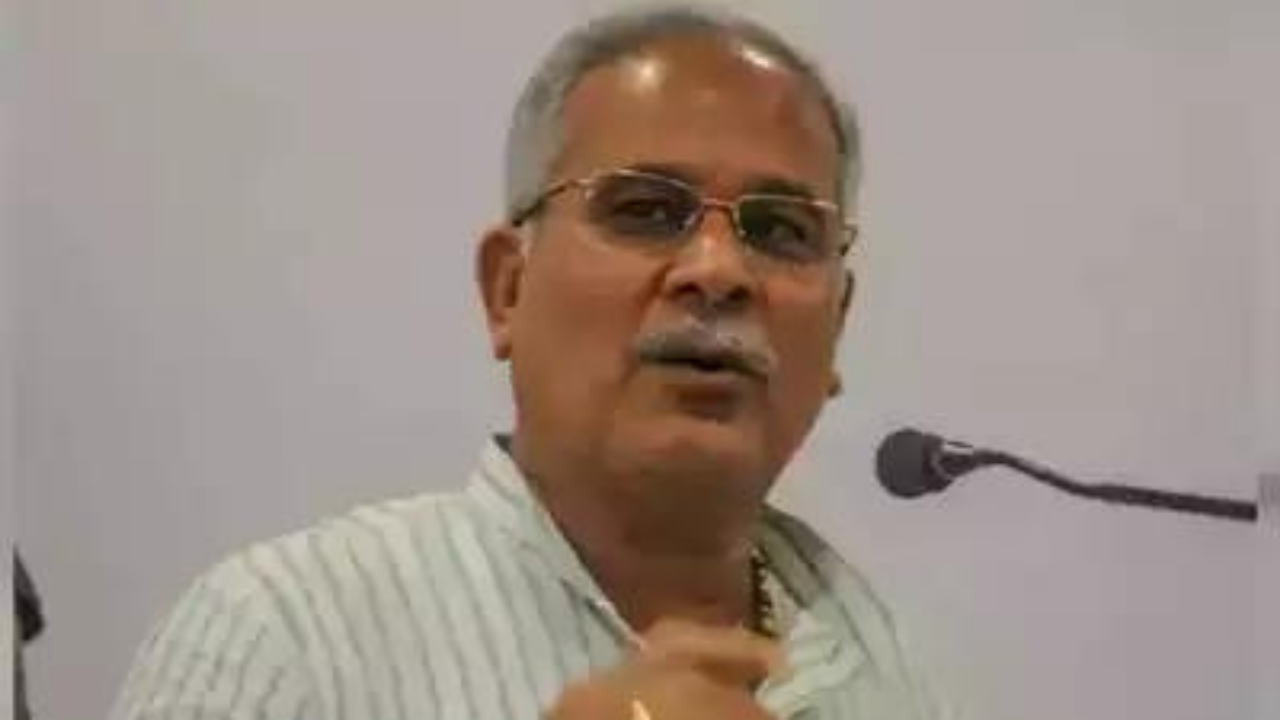
RAIPUR: After its first of its kind cow dung-to-cash scheme, The Bhupesh Baghel government in Chhattisgarh is working on another ambitious scheme to procure cow urine from cattle rearers in the state.

Chief Minister Bhupesh Baghel had discussions with officers at his residence on Wednesday where it was decided to set up a technical committee to study various aspects of the purchase of cow urine. Experts from Indira Gandhi Agricultural University and Kamdhenu University will also be included in this committee which has been asked to submit its report within 15 days regarding the collection of cow urine, its quality testing, and products prepared from cow urine.

The chief minister has asked officials to complete the work of potential mapping for locally available raw materials in different districts and products made from them for the establishment of Mahatma Gandhi Rural Industrial Park to be developed in the state-run Gauthans.

The state government is planning to develop processing units in Rural Industrial Park for value addition of local food products and Minor Forest Produce. For this, a provision of Rs 600 crore has been made in the state budget for the year 2022-23. With this amount, necessary infrastructure, facilities for electricity, water and processing units will be developed in the Rural Industrial Park.

Officials said the meeting was informed that bio-fertilizers and bio-insecticides are prepared from cow urine. Cow urine also contains many minerals and enzymes including urea. Cow urine when used as a fertilizer increases the absorption of micronutrients nitrogen, phosphorus and potash that help boost plant growth and control crop diseases.

In July 2020, the Chhattisgarh government has launched the ‘Godhan Nyay Yojana’, said to be the first scheme of its kind in the country, to procure cow dung from cattle rearers at a price of rs two per kilogram, produce vermicompost and sell it in the market to make animal husbandry more profitable and promote organic agriculture.

Sign up to read this article
Read news from 100’s of titles, curated specifically for you.
Already a member? Sign in here
Related Stories
Top stories on inkl right now
One subscription that gives you access to news from hundreds of sites
Already a member? Sign in here
Our Picks
Fourteen days free
Download the app
One app. One membership.
100+ trusted global sources.