
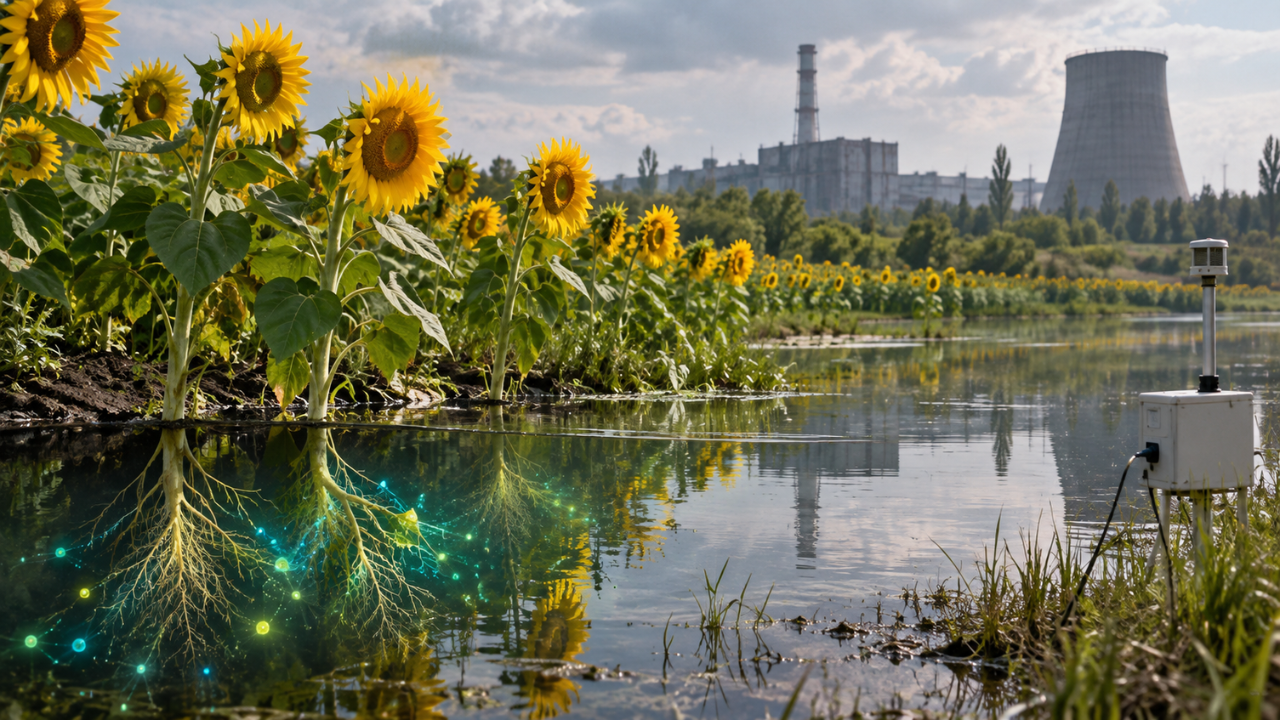
After the 1986 Chernobyl nuclear disaster, scientists explored an unusual way of dealing with radioactive contamination by using plants to absorb radionuclides from the environment. Sunflowers emerged as a promising candidate because their roots can take up certain radioactive elements, including cesium and strontium, from contaminated water. Experiments near Chernobyl showed that sunflowers could remove substantial amounts of radionuclides from a small contaminated pond. The approach was later investigated after the 2011 Fukushima Daiichi nuclear accident as well. Researchers found that the flowers could take up radioactive material, although their effectiveness varied greatly depending on whether the contamination was in water or soil.
Get breaking news anytime, anywhere. Download the TOI app now!