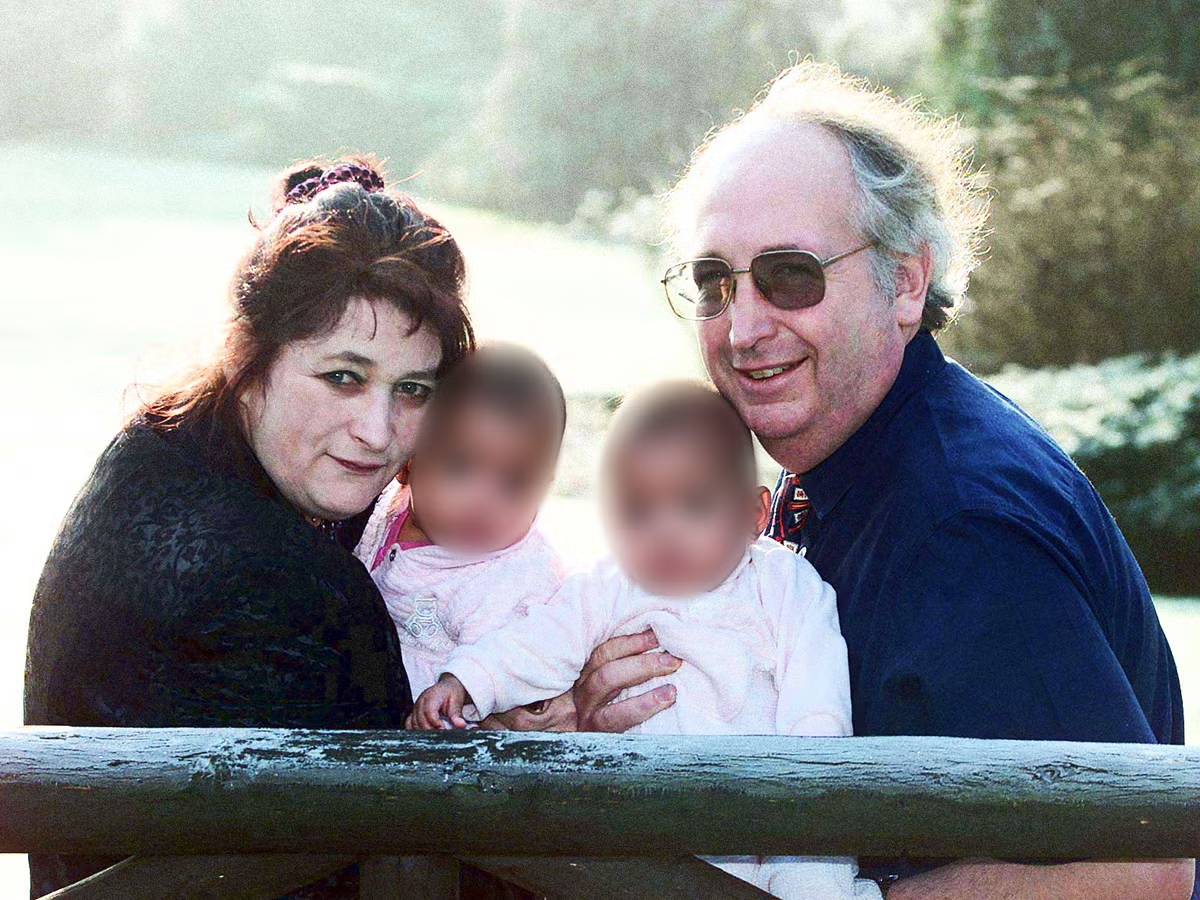
A 2,000-mile dash across the United States. A hasty, legally questionable adoption in Arkansas. A British woman accused of performing dark magic. An intervention from Tony Blair. The story of “the internet twins” – perhaps better known as the “cash for babies” scandal – had so many bizarre twists and turns, and such an extensive cast of eccentric characters, it could fill not just a tabloid but an entire newspaper stand. In January 2001, after The Sun broke the story of how a couple from Buckley in north Wales had paid £8,200 to adopt nine-month-old mixed-race twins over the internet… well, it basically did. Journalists couldn’t get enough of the story, especially when it emerged that a different couple – this one from the US – had also paid thousands to adopt the very same girls. Within weeks, both couples and the twins’ birth mother were all vying for their custody.
As journalists, politicians, social workers and police all leapt on the story, it split and refracted. From one angle it appeared to be about the dark potential of new technology – the overseas adoption of “the net babies” seeming to confirm fears that the nascent internet was a corrupt and lawless zone, where everything had a price. From another angle, it was a tale as old as time: greed, manipulation, the trafficking of society’s most vulnerable. But what if both of these angles weren’t quite right? What if the truth was a bit less sensational… if equally messy?