
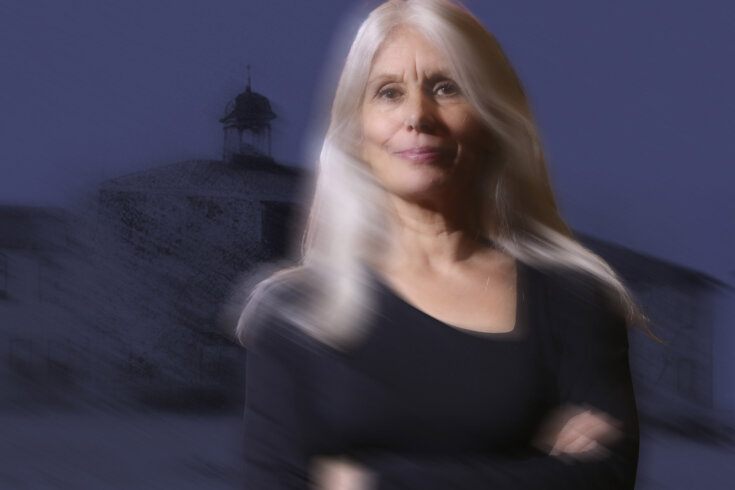
Jani Lauzon’s list of accolades is long. As a playwright, she has written and starred in many acclaimed plays with Indigenous themes; co-founded an Indigenous women’s theatre collective; founded a production company that has produced plays centred on Indigenous stories and histories; and served as co-chair of the Indigenous Advisory Circle at Canada’s prestigious National Theatre School. As a musician, she has been nominated twice for what is now called Indigenous Artist or Group of the Year category at the Juno Awards, as well as for a Canadian Aboriginal Music Award. For more than three decades, she claimed to be Métis.
But contributing writer Michelle Cyca’s recent investigation in The Walrus questioned both that personal claim as well as her assertion that her play 1939—about a fictional residential school that puts on a Shakespeare performance—was partly inspired by her father’s purported experience at a residential school where she has said he studied Shakespeare. The investigation revealed serious and concerning holes in both of these stories.