
When there are signs of movement upwards in the ground around a live volcano, one of the first things done by scientists would normally be to pay close attention to the development of the situation. Traditionally, any such movement in the ground is viewed as a main sign of the flow of magma under the surface.
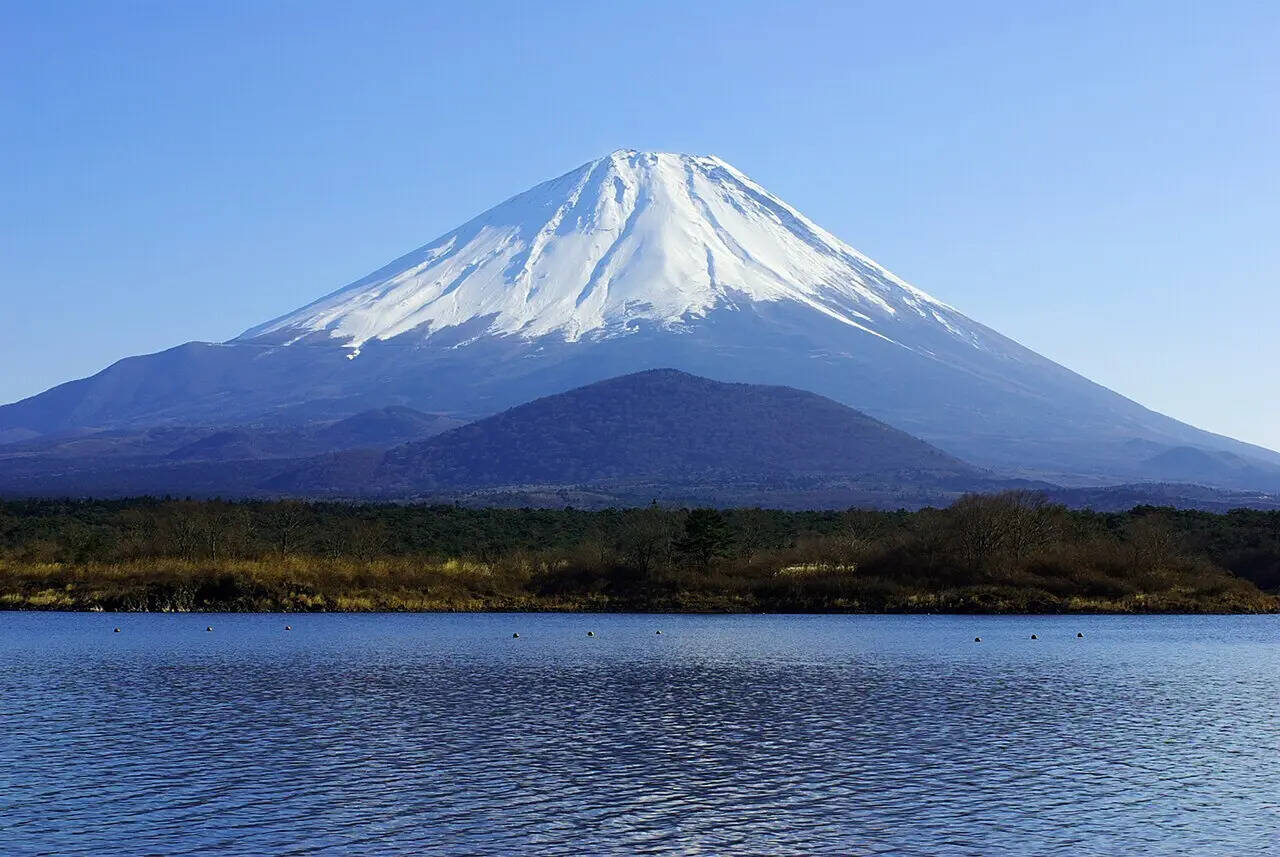
However, a development at Japan's most famous peak is changing how geologists interpret subtle ground deformation around volcanoes. Sensors placed around Mount Fuji have revealed that the ground actually expands upward by as much as two centimetres during periods of heavy rainfall. This temporary swelling has nothing to do with molten rock or volcanic threats, but is instead the result of a highly unusual structural layout hidden just beneath the mountain slope.













