At the United Nations climate talks in Glasgow in 2021, Indian Prime Minister Narendra Modi surprised the world when he announced that his country would zero out its greenhouse gas emissions by the year 2070. It was a landmark decision, acknowledging that long-term decarbonization is in India’s interest.
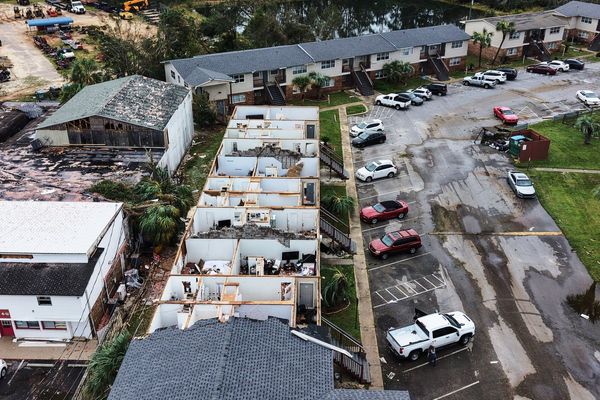
However, climate change is threatening lives, crops and India’s economy today. New Delhi endured extreme heat for several weeks in early 2022, with temperatures regularly crossing 104 degrees Fahrenheit (40 Celsius). The previous year, cyclones, flash floods and extreme rainfall destroyed more than 12 million acres of crops, contributing to a global spike in food prices. At the same time, energy demand is rising in a country forecast to pass China as the world’s most populous in 2023.