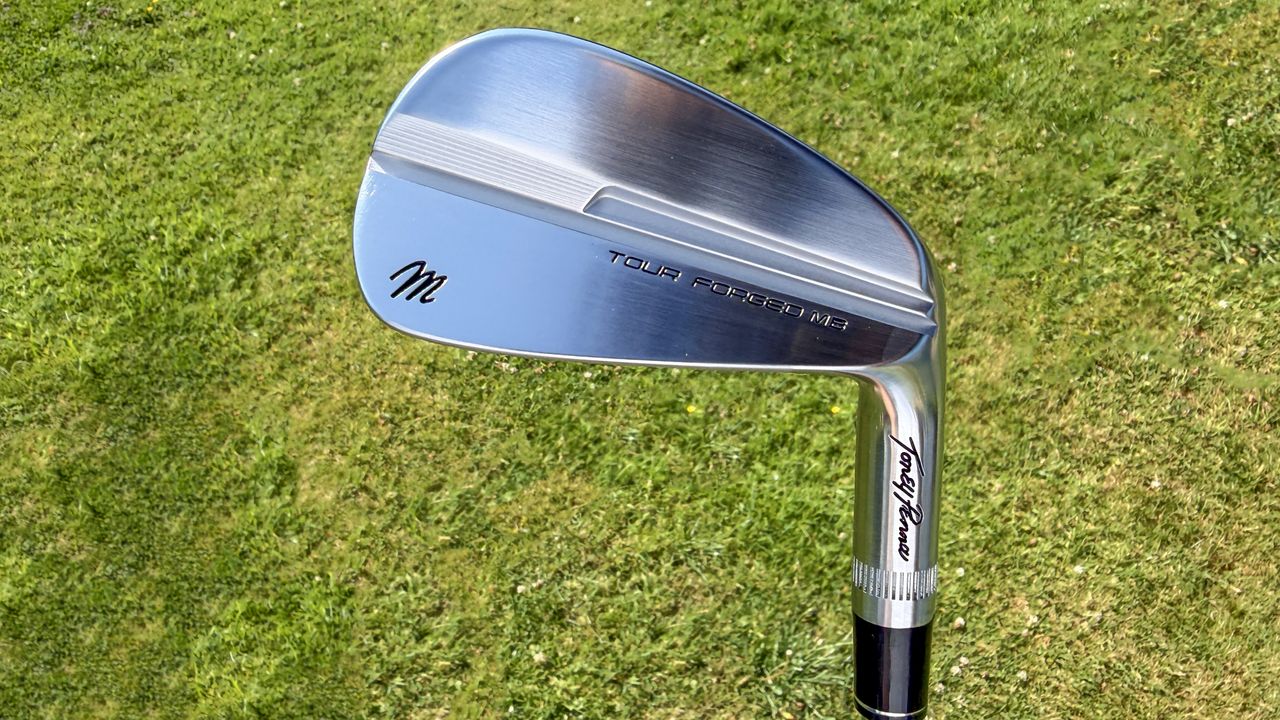
The golf equipment landscape is constantly shifting, and one of the most enjoyable trends is the resurgence of retro brands with significant heritage coming back to prominence. MacGregor has tapped into this beautifully, honoring one of history's most influential club designers with the launch of the Toney Penna Tour Forged iron range.
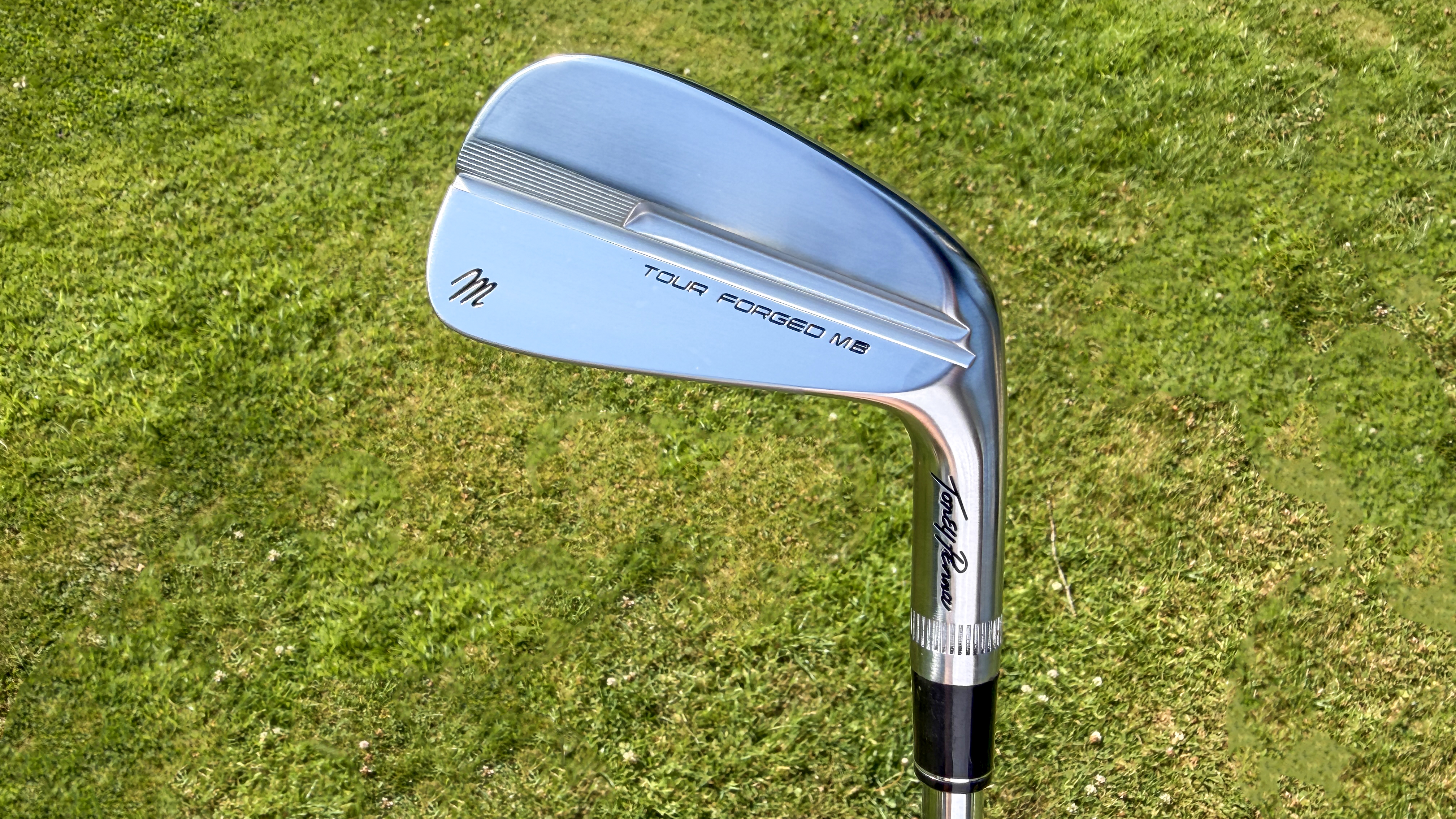
Precision forged from premium 1020 carbon steel, these muscle-backs marry classic craftsmanship with modern direct-to-consumer (DTC) efficiency, even offering full custom fitting online.
In terms of shelf appeal, the "in the bag" look is superb. MacGregor has opted for minimal branding, leaving a sophisticated finish beautifully elevated by the addition of the Toney Penna signature on the hosel.
Down behind the ball, the head shapes are superb; fans of soft, rounded curves and shorter blade lengths will be completely in their element here.
For me, the only thing that cheapens the look or gives any indication of the price bracket is the painted grooves. Sometimes less is more, and if I were gaming these, the first thing I would do is scrape the paint from the grooves, leaving them clean and blank.
In terms of performance, the data stacks up - as it does with almost every iron in this category, frankly. There is only so much you can do to influence data output with a forged blade at a certain loft, and that is the case once again here.
Granted, I found a couple of extra yards through the air versus most other MB’s on the market, but I am putting that down to the slightly stronger lofts (7 iron is 32˚ whereas most other MB’s or blades are at 33˚ or 34˚). Interestingly, this didn’t manifest itself with a lower ball flight than other blades I have tested recently, so I treated the small yardage boost as just a little bonus.
To me, with data so tight, the only true differentiators in this category are looks and feel. We've covered looks, so how do they feel?
Well, I would place them at a solid 8 out of 10 in that category. While they are reasonably soft and offer good feedback, I found them to lack the real density and depth that, say, the Cobra 3DP MB or the Mizuno Pro S1 give you. But then, you have to weigh up whether a touch more depth of strike is worth upwards of £1000 to you! Honestly, for me, that was the only real difference on show.
At less than £400 for a 4-PW set (with the MB model coming in at an RRP of £399.99), the value is unbelievable when you consider many mainstream brands are £1200 plus as a starting point.
Overall, this is another brilliant example of what the DTC iron market can offer. I’ve said it before, and I will say it again: I am very fortunate to get my golf equipment free, but if I were spending my own hard-earned money on a set of irons, the DTC market is the only place I would be looking.