Get all your news in one place.
100's of premium titles.
One app.
Start reading
Budget and the Bees
Budget and the Bees
Evan Morgan

A Practical Guide to Quiet Safety Habits Women Living Alone May Want to Recheck Before Late-Summer Travel

Woman Alone
A few quiet precautions before a late-summer trip—from securing doors and managing packages to sharing an itinerary with someone trusted—can reduce avoidable problems at home and on the road. Weather awareness and a local emergency plan add another practical layer of preparation. (Pexels).

Living alone can make travel preparation feel refreshingly simple: pack a bag, lock the door, and head out. Still, a few quiet precautions can make late-summer travel safety stronger without turning an upcoming trip into an exercise in worry. The goal is not to suggest that every woman faces the same risks, but to reduce avoidable problems involving an empty home, changing weather, online scams, or an unexpected travel disruption. Late summer deserves particular attention because Atlantic hurricane season continues through November and historically becomes more active as summer progresses. The best precautions are often ordinary habits that take only a few minutes.
Make Your Empty Home Look Less Empty

One of the simplest late-summer travel safety habits begins before the suitcase reaches the car. An overflowing mailbox, packages sitting outside, permanently dark rooms, or untouched trash cans can advertise that nobody is home, while common vacation-home precautions include holding mail, arranging package pickup, using light timers, and asking a trusted neighbor to watch the property. Before leaving, walk through the home once and physically check exterior doors, windows, garage access, and any alarm system rather than relying on memory. If a neighbor or friend has agreed to help, give that person useful contact information and clear instructions instead of simply saying, “Keep an eye on things.” Small routines like these are inexpensive, discreet, and useful for anyone living alone.

Reconsider What You Share Before and During the Trip

Posting a boarding-pass photo or announcing an empty apartment for the next seven days may feel harmless, but real-time updates can reveal more than intended. Travel-safety guidance commonly recommends avoiding public social-media posts about travel plans when a home will be vacant. A practical alternative is saving vacation photos and posting them after returning, while sharing the actual itinerary privately with one or two trusted people. Travelers can also give family or friends an itinerary, including where they will be visiting and staying, and update those contacts when plans change. Good late-summer travel safety does not require disappearing online; it simply means deciding which information needs to be public right now.

Give One Trusted Person the Information That Matters

Imagine a delayed flight turns into an overnight stay in an unfamiliar city and your phone battery dies before you can update anyone. A trusted contact who already knows your airline, lodging information, general route, and expected return date has a much better starting point if something genuinely goes wrong. Keeping electronic backups of important travel documents and maintaining copies of identification separately from the originals can provide another layer of protection. Keep emergency contacts accessible somewhere besides a locked phone, and consider carrying a backup payment method separately from your primary wallet. This is less about expecting an emergency than preventing one lost device from becoming several problems at once.

Treat Weather as Part of the Safety Plan

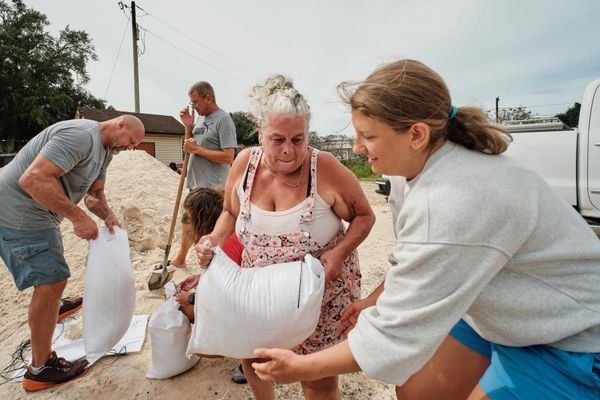
Late-summer travel safety should include weather planning, particularly for trips involving the Gulf Coast, Southeast, Caribbean, or other storm-prone destinations. Atlantic hurricane season officially runs from June through November, and late August into September is historically an important period for tropical activity. Before departure, check forecasts for both your destination and home because a storm can affect the place you left behind while you are miles away. Travelers should know evacuation options, have needed supplies, and be prepared for interruptions to power, water, phone, or internet service when severe weather threatens. It is also wise to identify local emergency contacts, evacuation information, and a backup lodging or transportation plan rather than assuming a hotel or airline will solve every disruption.

Slow Down When a Travel Message Demands Money

Travel season also creates opportunities for convincing fake booking sites, payment requests, rental offers, and messages pretending to solve urgent travel problems. Consumer-safety guidance warns that scammers may imitate airline or hotel websites and send deceptive payment messages, so an unexpected request should be verified through contact information you independently locate. A familiar logo, professional-looking website, or caller who knows part of your itinerary does not automatically make a request legitimate. If a message creates urgency, avoid clicking its link and instead open the company’s official app or type its known website into your browser. Building that pause into late-summer travel safety can protect both money and personal information.

Quiet Preparation Can Leave More Room for the Trip

The strongest safety routine is usually one you can complete calmly and consistently rather than an elaborate checklist fueled by fear. For women living alone, that might mean locking and checking the home, limiting real-time location details, sharing an itinerary privately, preparing for local emergencies, and independently verifying suspicious travel messages. These habits cannot eliminate every risk, nor should safety advice imply that women must constantly anticipate danger. They simply create backups for situations that can happen to almost any traveler, from severe weather and lost phones to scams and household problems.

What is one quiet late-summer travel safety habit you always use—or one you plan to reconsider before your next trip? Share your experience in the comments so other readers can learn from what has worked for you.

What to Read Next

Why Travel App Protection May Not Protect Your Family Trip

Summer Travel Makes It Easier to Miss Relationship Red Flags, Experts Warn

1 in 3 Travelers Forget This Emergency Contact Step Before Leaving Home

The post A Practical Guide to Quiet Safety Habits Women Living Alone May Want to Recheck Before Late-Summer Travel appeared first on Budget and the Bees.

Sign up to read this article
Read news from 100's of titles, curated specifically for you.
Already a member? Sign in here
Related Stories
Top stories on inkl right now
One subscription that gives you access to news from hundreds of sites
Already a member? Sign in here
Our Picks
Fourteen days free
Download the app
One app. One membership.
100+ trusted global sources.