
Get all your news in one place.
100's of premium titles.
One app.
Start reading
Tom’s Guide
Tom’s Guide
Technology
Sam Hopes

A personal trainer says this is the 10-minute mobility routine everyone should do to improve walking strength

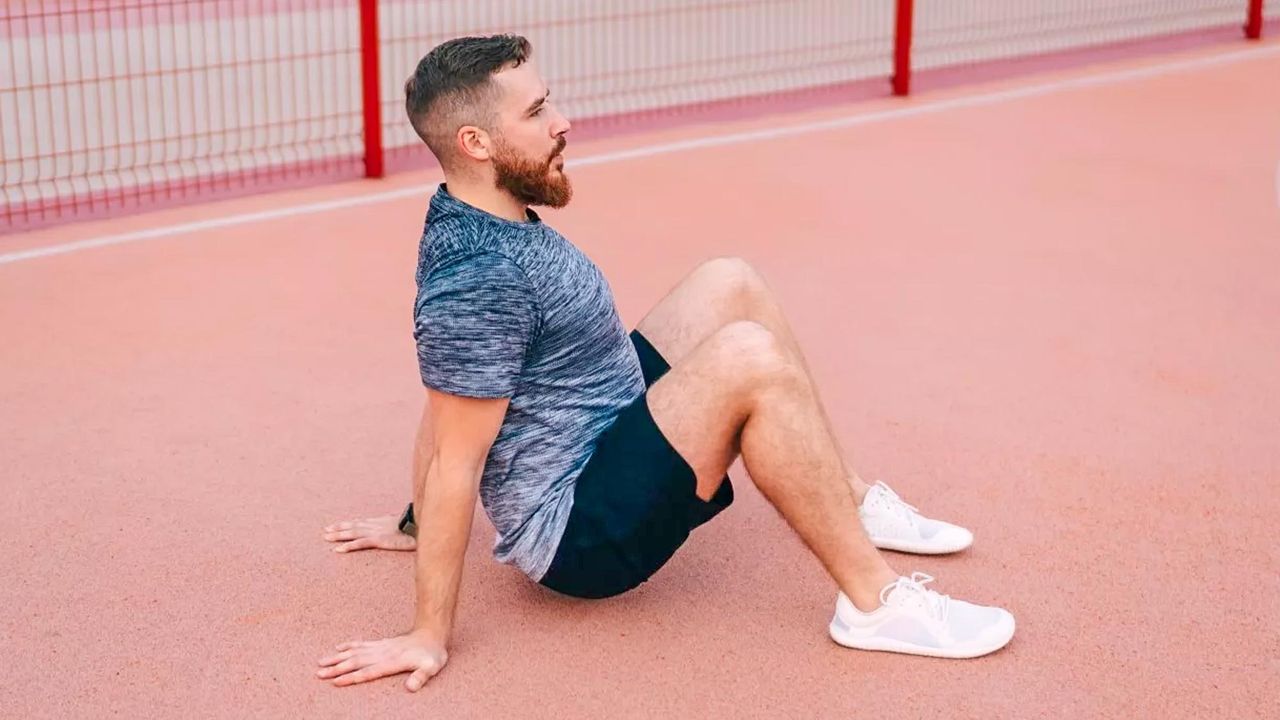
Crab walk: Man in a park sitting down with knees bent and hands placed behind his hips.

Building strength and range of motion in your body will keep your muscles, joints and ligaments prepared for walks, walking workouts, or other forms of sports and exercises you enjoy. While building strong bones and muscles is your greatest anti-aging tool, mobility is also the hidden secret to longevity; combining both is the weapon you need.

When considering stretching versus mobility for your body, you'll need to decide what it is you want to gain. While stretching may offer you benefits in flexibility, mobility routines will help you increase balance, strength, control and range.

So, walkers, before you next tie up a pair of the best running shoes or walking boots, take 10 minutes out of your day and give this short, bespoke mobility routine a try, suitable for all levels.

Watch: 10-minute mobility routine you can do from home

A post shared by Tom's Guide Fitness (@tomsguidefitness)

A photo posted by on

Ideally, mobility routines will combine some level of strength work with active and dynamic exercises targeted at areas like your shoulders, spine, hips, knees and ankles. You can perform all the moves on the floor if you don't want to use the chair, and you can opt to stick with your bodyweight or add ankle weights, dumbbells, or both.

In the Instagram post above, I use one of the best yoga mats for protecting my joints, especially during kneeling exercises. Remember, people come into exercise at all levels, so you could adjust the reps, sets, or weights to your ability, or even skip out moves that don't feel good for your body.

I recommend starting with 6-8 reps per move on both sides of your body, trying a mix or all of the moves for a quick full-body reset.

If you experience pain at any time, stop and rest. If you're working with an injury or health condition, I recommend seeking advice before starting these exercises, especially if you find it difficult to get down on the floor.

What are the benefits?

(Image credit: Shutterstock)

It's a lifelong commitment to keep your muscles and joints functioning, especially after you hit your mid-30s, when muscle mass and strength naturally begin to decline.

Starting your day with gentle movement eases your body into whatever plans you have, whether that's a walk, a workout, or even just busying yourself with life admin. But it's also about maintaining posture and strengthening the muscles, bones and joints of the lower body, which will keep you balanced, agile and mobile as you age.

If you enjoy rambling, walking, hiking, or running, strengthening areas like your hips, lower back, core, glutes and legs will keep you doing what you love for longer. Improving the range of motion around your pelvis will also improve your gait and overall movement mechanics, helping you navigate outdoor terrain more effectively.

It's a lifelong commitment to keep your muscles and joints functioning, especially after you hit your mid-30s...

The more you move throughout the day, the better, as any movement you can accumulate will contribute toward overall energy expenditure and prevent prolonged sedentary time, a key cause of muscle weakness, poor posture and imbalance. This is known in the fitness industry as Non-Exercise Activity Thermogenesis, or NEAT.

I like to add bands or very light weights to mobility exercises, but I would always recommend focusing on consistently performing the exercises and learning the basics first; progressions can come later.

Follow Tom's Guide fitness on Instagram for more workouts, routines, tips, and tricks.

Walking is a low-impact activity, but it still places stress on your joints, especially if the muscles surrounding them aren't able to properly support them. Rather than just adding more walks to your week, consider two to three strength and mobility sessions that focus on the muscles and joints that power walking, including the hips, glutes, hamstrings, quads, calves and core network.

Balance work that requires you to perform movement on one side of the body at a time will also improve stability, core engagement and proprioception, which is your body's awareness of where it is in space, aiding you to walk better.

Building strength and space in areas like your hip flexors, adductors, abductors and glutes will help stabilize your pelvis and power leg drive as you move around. Of course, strong quads and hamstrings are useful for navigating inclines and declines.

Your core will help you maintain an upright, strong torso position as you move and protect your posture, reducing the likelihood of back pain and injury. Then, there are your calves, which propel forward motion and stabilize your ankles while absorbing stress and shock.

Your calves are also known as the "second heart," helping to push blood up and around the body, so keeping them strong and active will also improve circulation.

More from Tom's Guide

Sign up to read this article
Read news from 100's of titles, curated specifically for you.
Already a member? Sign in here
Related Stories
Top stories on inkl right now
One subscription that gives you access to news from hundreds of sites
Already a member? Sign in here
Our Picks
Fourteen days free
Download the app
One app. One membership.
100+ trusted global sources.