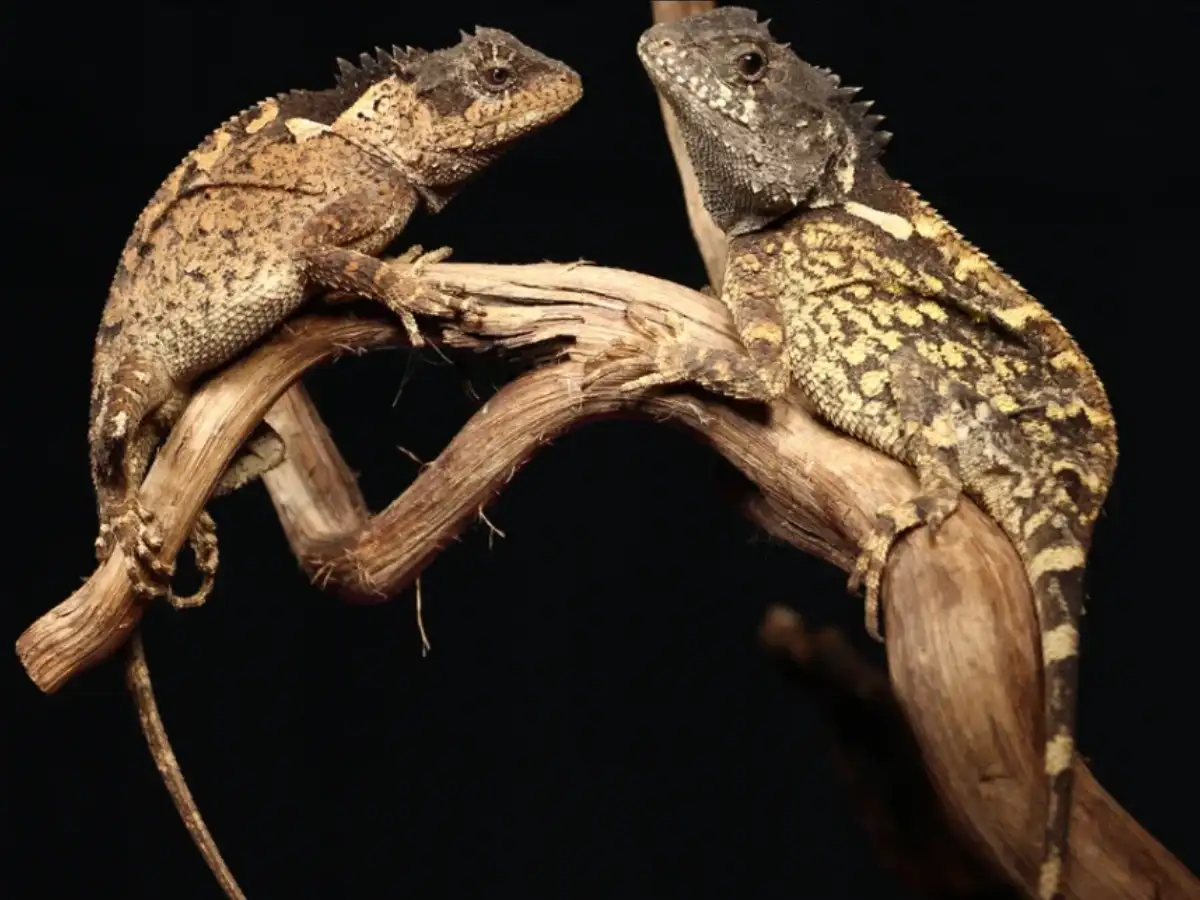
A hurricane that devastated several small islands in the Bahamas gave scientists something nature rarely offers: the chance to watch evolution begin again.
In 2004, a powerful storm wiped out brown anole lizard populations on a group of tiny islands. The destruction left behind more than ecological damage. It created an unusual opportunity to investigate one of evolutionary biology’s longstanding questions: How much of a species’ future is determined by chance, and how much is shaped by natural selection?