
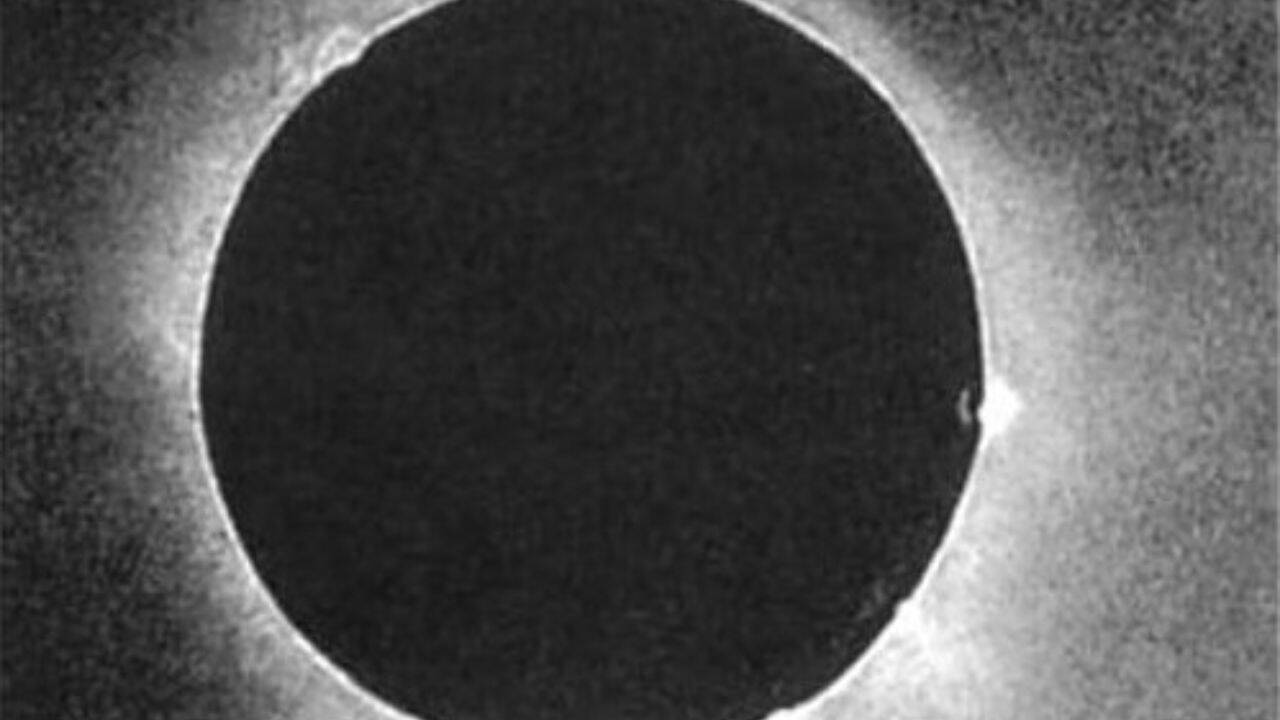
A total solar eclipse is one of nature’s most dramatic sights, but 175 years ago it was also a difficult scientific problem to record. On July 28, 1851, a little-known photographer named Johann Julius Friedrich Berkowski produced what is regarded as the first successful photograph of a total solar eclipse. Working at the Royal Observatory in Königsberg, Prussia, he used a small refracting telescope and an exposure lasting 84 seconds to capture the Moon crossing the Sun. The results marked a turning point. As later eclipse observations became increasingly photographic, scientists gained a lasting way to study the Sun’s faint outer atmosphere, the ‘corona.’ Berkowski’s nearly forgotten image therefore became much more than a historical curiosity, it opened a new chapter in eclipse science for decades.
Get breaking news anytime, anywhere. Download the TOI app now!













