
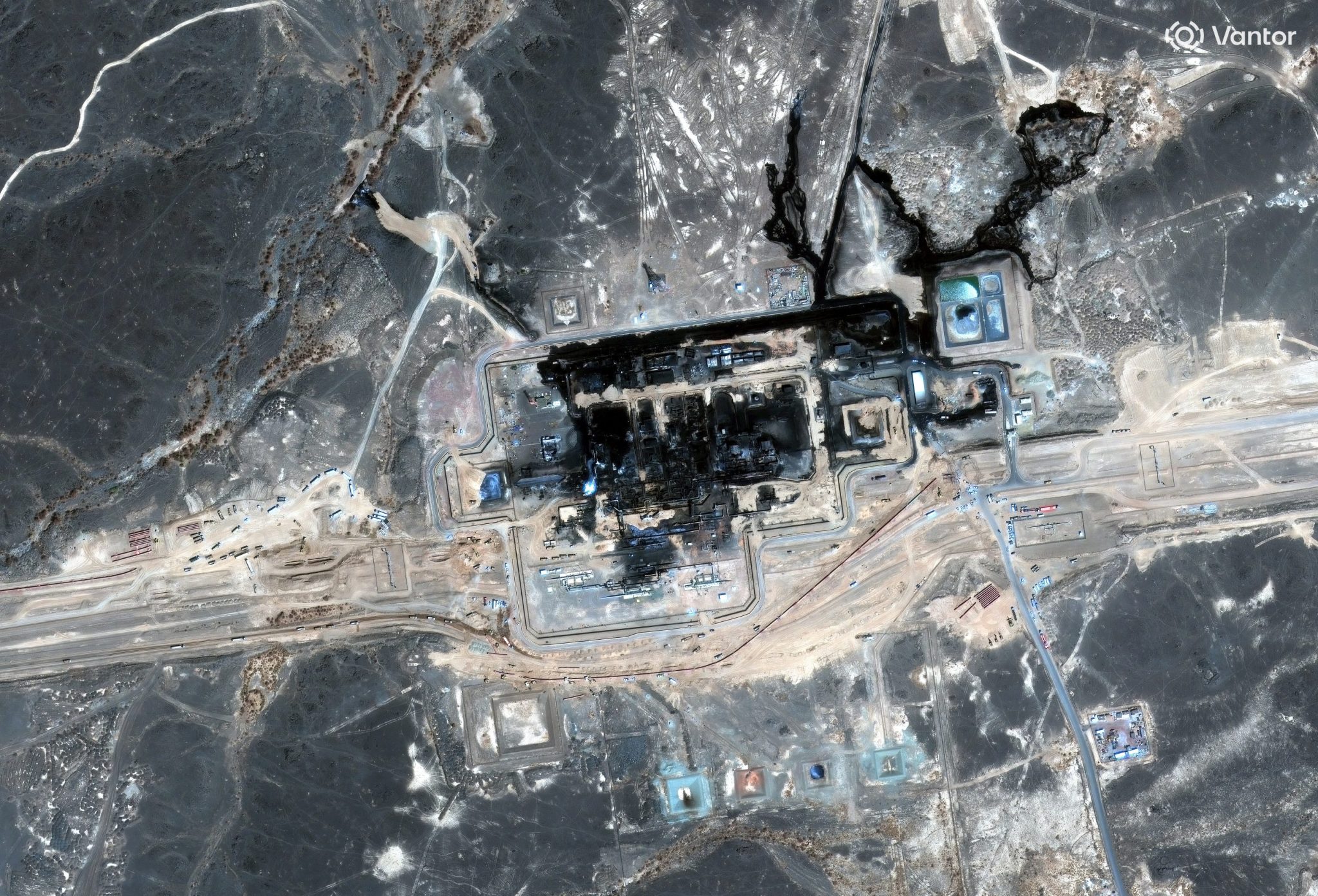
Saudi Arabia’s East-West pipeline was closed this week after serving as one of the largest buffers against this year’s historic Strait of Hormuz energy shock. Together with the UAE’s bypass pipeline, the two routes carried approximately 5 million additional barrels a day around the Strait in the second quarter, compared to their fourth quarter 2025 volumes, according to our latest research.
Its temporary shutdown puts a fresh spotlight on the broader set of shock absorbers that have helped the global energy system adapt. No single measure has absorbed a disruption that put roughly one-fifth of global oil supplies at risk. Instead, layers of resilience built over decades kicked in together.




-copy-29e15046.jpeg?w=600)









