
Get all your news in one place.
100's of premium titles.
One app.
Start reading
LiveScience
LiveScience
Bethany Augliere

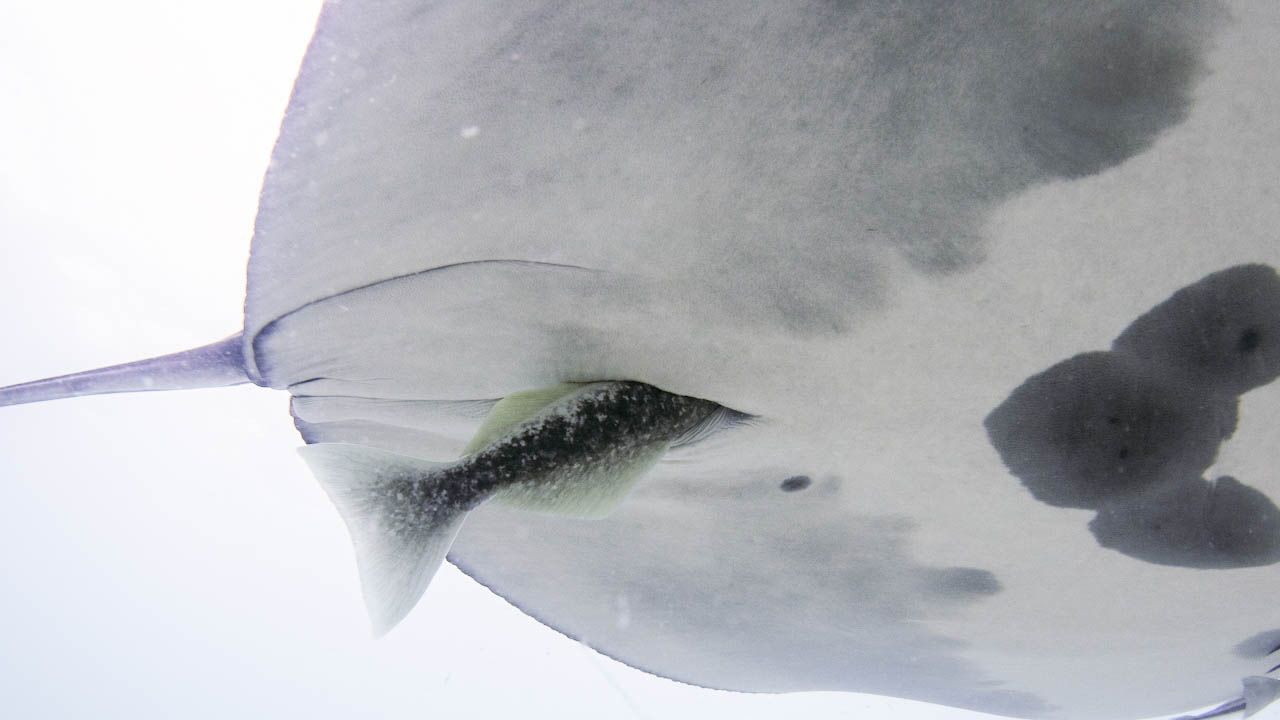
'A combination of amazement and horror': Hitchhiker fish hide in manta ray buttholes

A close up of the white underbelly of a manta ray with a remora moving into the cloaca slit. .

Hitchhiking fish that are famous for suctioning themselves to other marine animals have a very unexpected hiding place: the rear ends of manta rays, a new study finds.

These fish, known as remoras (family Echeneidae), frequently get free rides when they use their suction discs ‪—‬ modified backs, or dorsal fins ‪—‬ to latch onto marine animals like sharks, whales and sea turtles. It has generally been thought that remoras provide a cleaning service to the animal they are traveling with, picking parasites off their skin. But this new discovery shows that this relationship might not always be beneficial to the manta rays.

Sign up to read this article
Read news from 100's of titles, curated specifically for you.
Already a member? Sign in here
Related Stories
Top stories on inkl right now
One subscription that gives you access to news from hundreds of sites
Already a member? Sign in here
Our Picks
Fourteen days free
Download the app
One app. One membership.
100+ trusted global sources.







