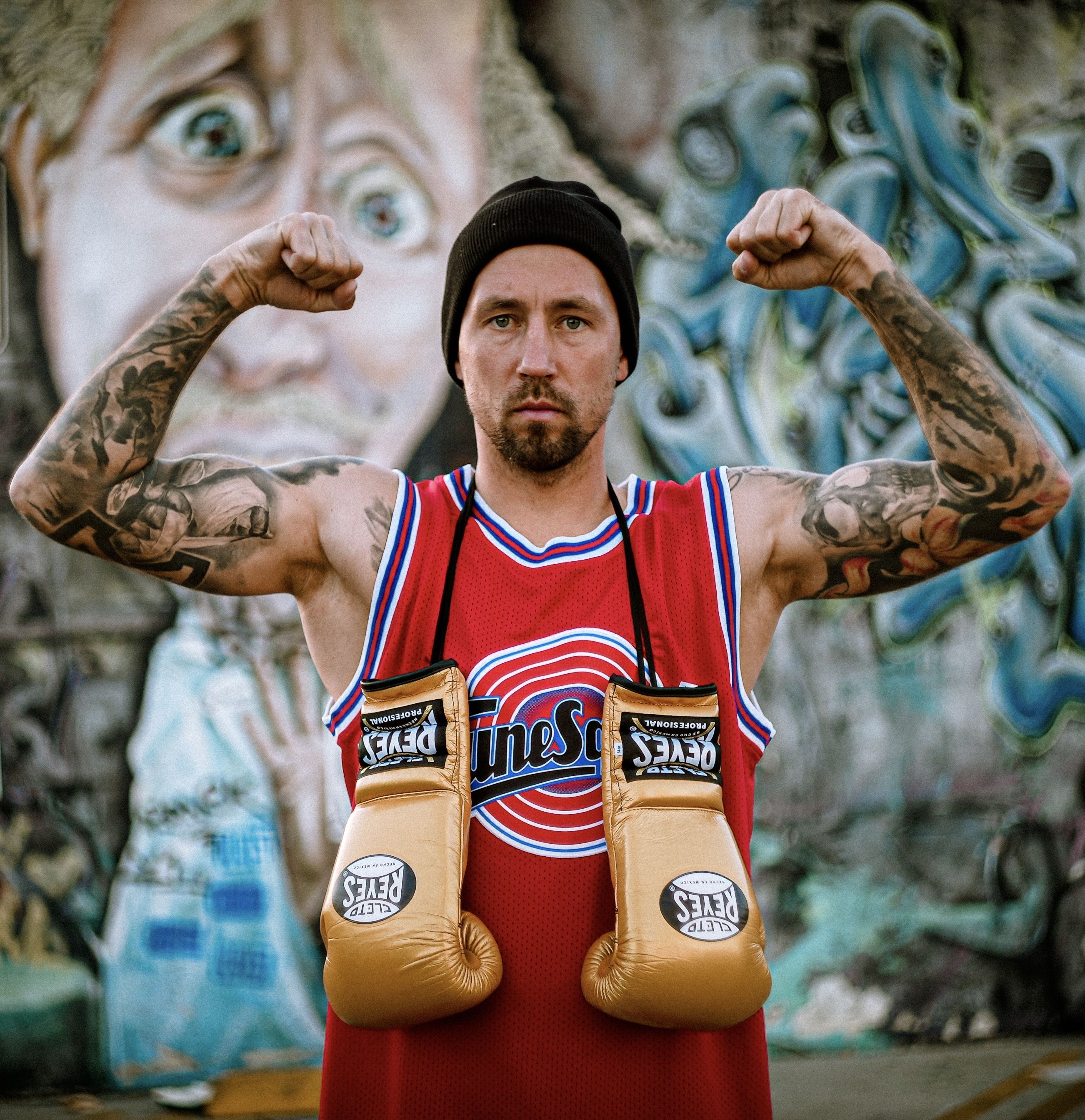
Modern sport increasingly relies on scientifically grounded approaches. This is especially relevant for boxing—a sport associated with high risks of overload, injuries, and burnout among young fighters. At the same time, reaction speed, punch accuracy, and load control determine a boxer’s career, which makes the issue of individualizing the training process critically important. It is precisely at the intersection of science and practice that professional boxing coach and researcher Illia Prymak works, developing adaptive methodologies for athlete preparation in the United States.
Illia is a professional boxer who has competed in 11 bouts and won 10 of them. After completing his fighting career, he combined coaching practice in the United States with scientific research in sports pedagogy. Prymak is the author of international publications, the developer of the patented ARMS system, a scientific reviewer for specialized journals, and a coach whose methodologies are integrated into the Puma Training – Functional Fitness Workout application for millions of users.
ARMS Methodology: Patent Submission
The key achievement of Illia Prymak is the development of a system for individualizing the training process. This refers to the author’s methodology known as the Adaptive Reflex-Momentum System (ARMS).
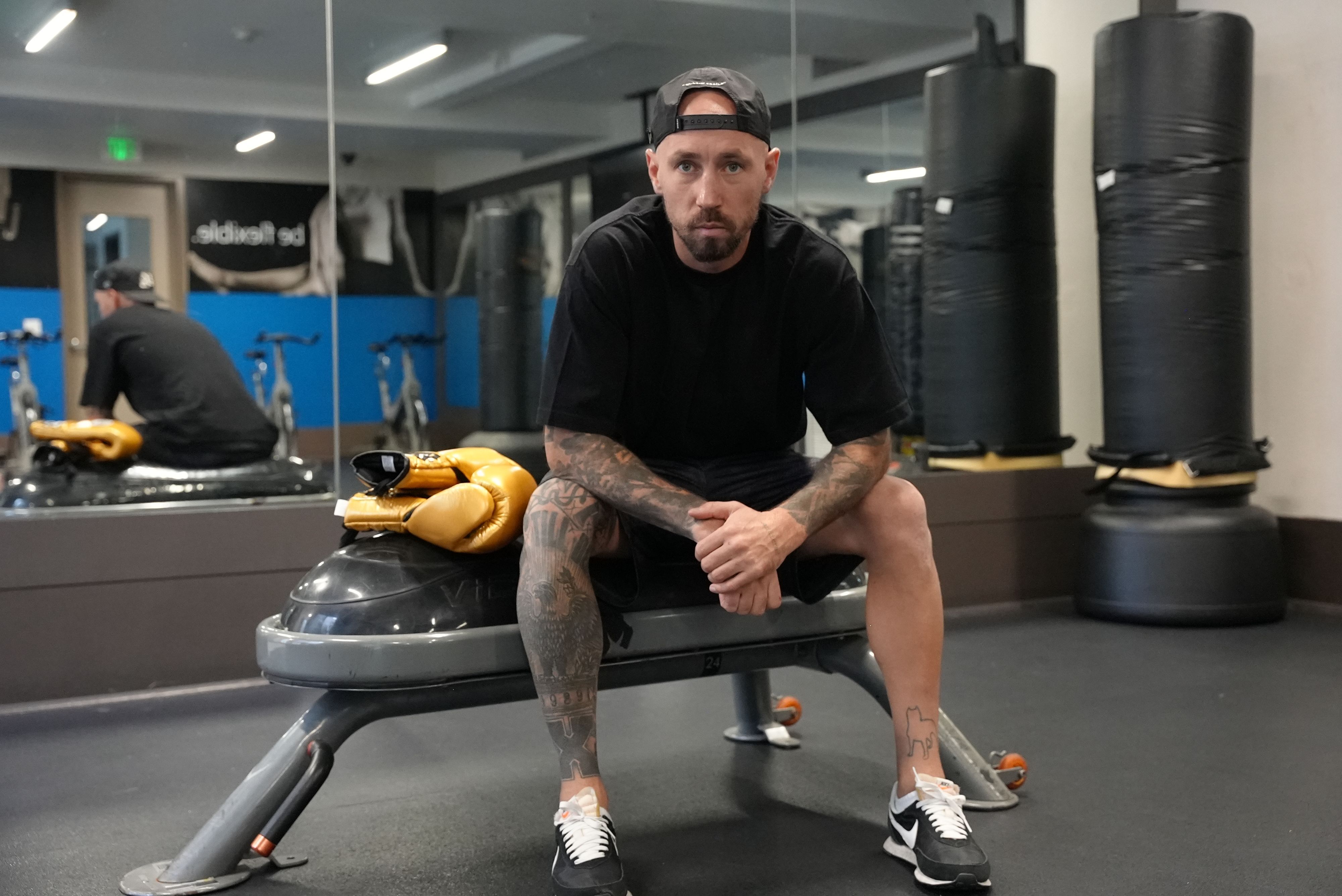
In January 2026, an article titled “Individualization of Boxers’ Training Load Based on Reflex-Momentum Index in Coaching” was published in the American Journal of Pedagogical and Educational Research. The author of this scientific article is Illia Prymak, in which he presented the results of his own research and substantiated the Reflex-Momentum index he developed.
In this study, the researcher scientifically substantiated the Reflex-Momentum Index—an integral indicator that combines reaction speed, punching impulse, accuracy, and fatigue level.
What does this provide in practice? ARMS makes it possible to create adaptive training programs in accordance with the physiological condition of a specific athlete. Research has already shown improvements in punch quality, movement stability, and reactivity among boxers who trained using Prymak’s system.
The proven effectiveness of ARMS, both in theory and in practice, led to its submission to the United States Patent and Trademark Office (USPTO) in the format of a provisional patent application as an AI-based system for optimizing athletic training.
Systemic Approach: Individualization and Adaptivity

Overall, Illia’s scientific contribution has a systemic character. For example, the ideas of ARMS were further developed in the publication “The Role of the Individualized ARMS Methodology in the Formation of the Training Regimen and Self-Regulation of Young Boxers,” published in the International Journal of Pedagogics. In this work, Prymak demonstrated that an individualized training regimen contributes not only to physical development but also to the formation of self-regulation and psychophysiological resilience in young boxers.
Across a series of international publications, Prymak consistently develops a reflex-adaptive approach to sports training. In particular, in the journal Pedagogical Academy, he substantiates a methodology for developing speed, movement accuracy, and athletes’ resilience under load.
In other works, the author proposes a model of individualized training load that integrates physical, neuromuscular, and cognitive indicators. In a publication of the journal Academic Visions, he separately analyzes the role of attention, decision-making speed, and psychomotor processes in modern boxing, forming an approach in which the brain and body function as a unified system.
These works are published in the format of scientific articles in international peer-reviewed journals and are dedicated to the development of reflex-adaptive methods of sports training.
Peer Review: Independent Expert at the International Level
A separate area of Illia’s activity is participation in international scientific peer review. He acts as an independent expert in the double-blind peer review process, evaluating scientific works according to international standards of methodology and practical significance.
In particular, Prymak reviewed the article “Hypoxic Training Strategies: A Comparison of ‘Live High – Train Low’ and Intermittent Hypoxic Breathing for Improving VO₂max” for the specialized journal Pedagogical Academy: Scientific Notes. The editorial board officially described his review as “exceptionally constructive,” noting that it significantly improved the scientific quality of the manuscript. The decision to accept the article for publication was made taking his expert recommendations into account.
Beyond the Gym: Over One Million Users on Puma Training
In addition to working with professional athletes and conducting scientific research, Illia Prymak has developed training programs for the general public.
The official mobile application Puma Training – Functional Fitness Workouts by the world-renowned sports brand Puma features his original basic courses. The application is available for iOS on the App Store and for Android on Google Play, allowing anyone to join completely free of charge.
As a result, Prymak’s training programs have become part of a digital platform that has already been used by more than one million users worldwide, as confirmed by application download statistics. In this way, he extends his scientifically grounded approach beyond the gym, making modern training accessible to everyone and encouraging physical activity.
Strategic Goal: Developing American Boxing
Prymak himself defines his strategic goal as the development of boxing in the United States through the implementation of modern methodologies and the training of a new generation of athletes. He plans to implement his own sports project in California—creating a comprehensive system for training boxers and transferring this methodology to other coaches.
His active scientific work, patent submission, expert peer reviewing, and practical implementation of methodologies already demonstrate Illia as a professional coach and researcher of a new generation. In essence, his achievements are shaping a modern approach to boxer training in the United States, where individualization, science, and technology become the foundation of effective and sustainable athletic development. It can be fairly stated that he is actively shaping the future of American boxing.