Get all your news in one place.
100's of premium titles.
One app.
Start reading
The Times of India
The Times of India
World
TOI World Desk

A beloved spaghetti topping is helping empty Italy’s seabeds near Naples, where poachers can remove 1,500 sea urchins in just two hours

On the shores of southern Italy, visitors often find narrow coastal roads, colourful villages and seaside dinners by the Mediterranean Sea. We see ourselves savouring dinner on a sea terrace in Naples, taking a deep breath of salty air, and twirling pasta on our forks while admiring the setting sun. For decades, travellers and gourmets have found eating seafood on the coastline the ultimate symbol of the laid-back Mediterranean culture. It is a long-standing experience rooted in local tradition.

Get breaking news anytime, anywhere. Download the TOI app now!

Most people ordering a classic seafood dish at a local trattoria rarely look past the edge of their plate. It is incredibly easy to assume that the ingredients served at our tables are part of a bountiful, self-sustaining ocean ecosystem that can easily keep up with our appetites. We naturally think of our dining choices as independent from the environmental reality beneath the waves. However, a look at the underwater world around Naples shows that a popular culinary trend is affecting the local marine environment. The high demand for a specific delicacy is fueling an aggressive black market that is rapidly stripping the local seafloor bare.

Destructive currents beneath the popularity of a certain culinary trend

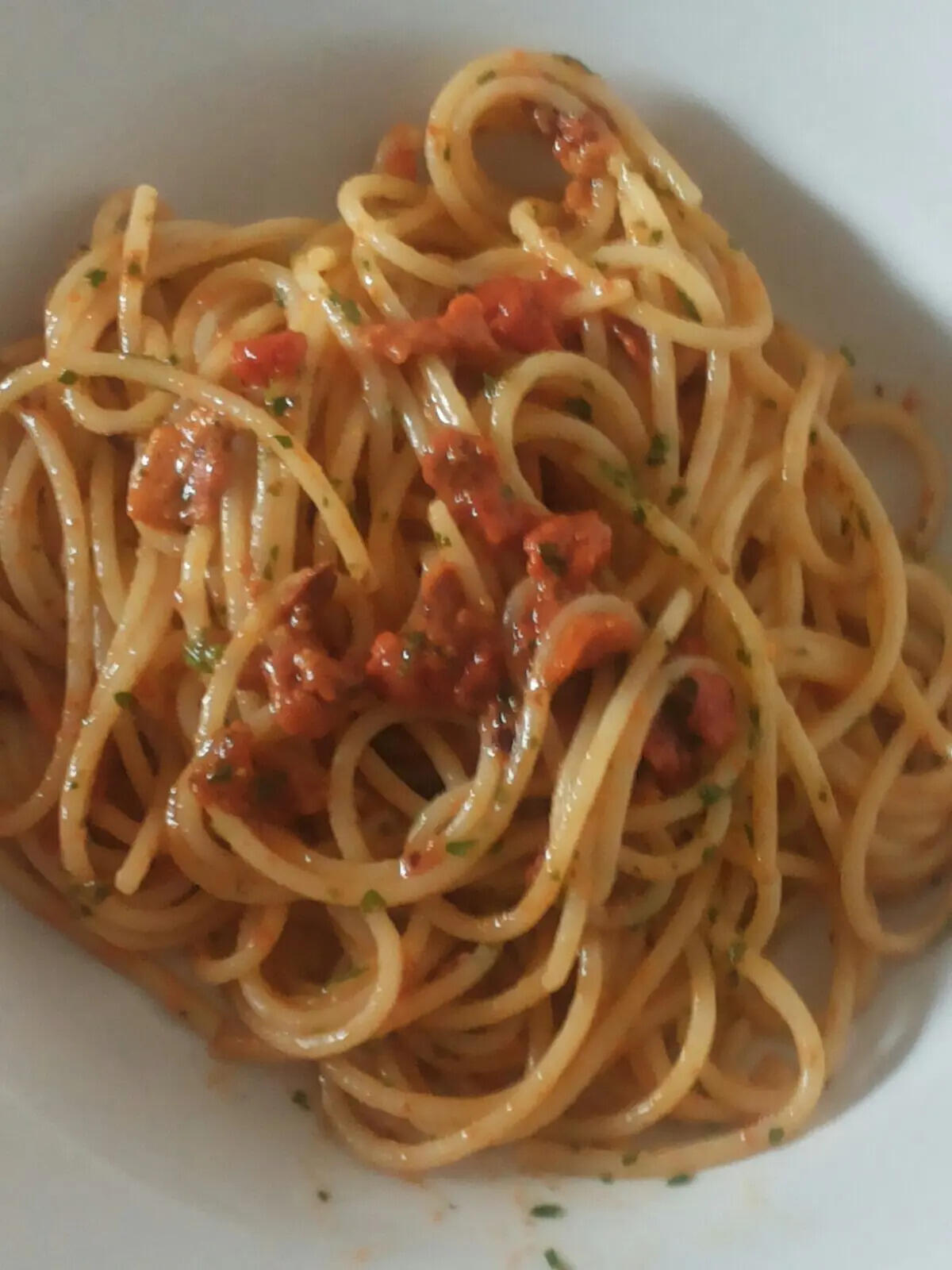
In trying to explain how a seemingly insignificant order of food could affect life on the ocean bed, we must examine the ingredients of a certain local speciality meal called spaghetti ai ricci. This is a classic pasta dish that depends entirely on the orange roe of a certain sea creature. These creatures, with spiny shells, play an important role in maintaining marine ecological balance. Sadly, their population is being heavily depleted during the summer as the region receives numerous visitors who crave the dish.

This illegal harvesting process poses significant concerns for both the authorities involved and the marine scientists. By working undercover and in silence, poachers employ an illegal diving technique called the hookah system. In the hookah system, the air from the compressor, located aboard a small vessel, travels through the hose to the diver, who then spends hours underwater to collect all the sea urchins from the rocks. As noted from the thorough investigation by Mongabay into how an appetising pasta dish is jeopardising Italy's marine life, illegal operators can harvest hundreds of sea urchins in just a couple of minutes, getting about fifteen hundred of them within two hours. This type of harvesting poses a serious threat to marine ecology.

Vanishing monitors and the need for marine sustenance

The quick depletion of these sea urchins can disrupt the marine ecosystem. First, as pointed out by Mongabay, sea urchins form an integral part of marine ecosystems as natural food in the food chain, where they are controlled by predating fish species such as the sargo and sea bream. Illegal fishing and poaching activities destroy the ecological balance whenever the sea rocks are stripped of their spiky inhabitants. From the study findings reported by Mongabay, the poaching activities not only reduce the number of predators but also force them to relocate elsewhere in search of food. This can leave fishermen with empty nets and threaten their livelihoods.

Protecting these habitats requires monitoring and stronger regional regulations to curb illegal operations. Much of this conservation effort is taking place in dedicated zones like the Gaiola Marine Protected Area, where staff members collect data on illegal harvesting to share with the environment ministry. Ecologists from the Stazione Zoologica Anton Dohrn marine research centre have warned that taking such a high percentage of the population in short periods can undermine years of environmental management and conservation. For coastal communities and travellers alike, safeguarding the future of the Mediterranean means recognising that the health of our oceans is directly tied to what we choose to put on our plates.

Sign up to read this article
Read news from 100's of titles, curated specifically for you.
Already a member? Sign in here
Related Stories
Top stories on inkl right now
One subscription that gives you access to news from hundreds of sites
Already a member? Sign in here
Our Picks
Fourteen days free
Download the app
One app. One membership.
100+ trusted global sources.