
For many of us across the UK, the past bank holiday weekend has been something of a rollercoaster of emotions. The joy of the sun finally coming out, the excitement of that first BBQ of the season, the thrill of flinging off that jacket and heading out in just a T-shirt... closely followed by the realization that we're just not built for this kind of heat, particularly when it comes to bedtime.
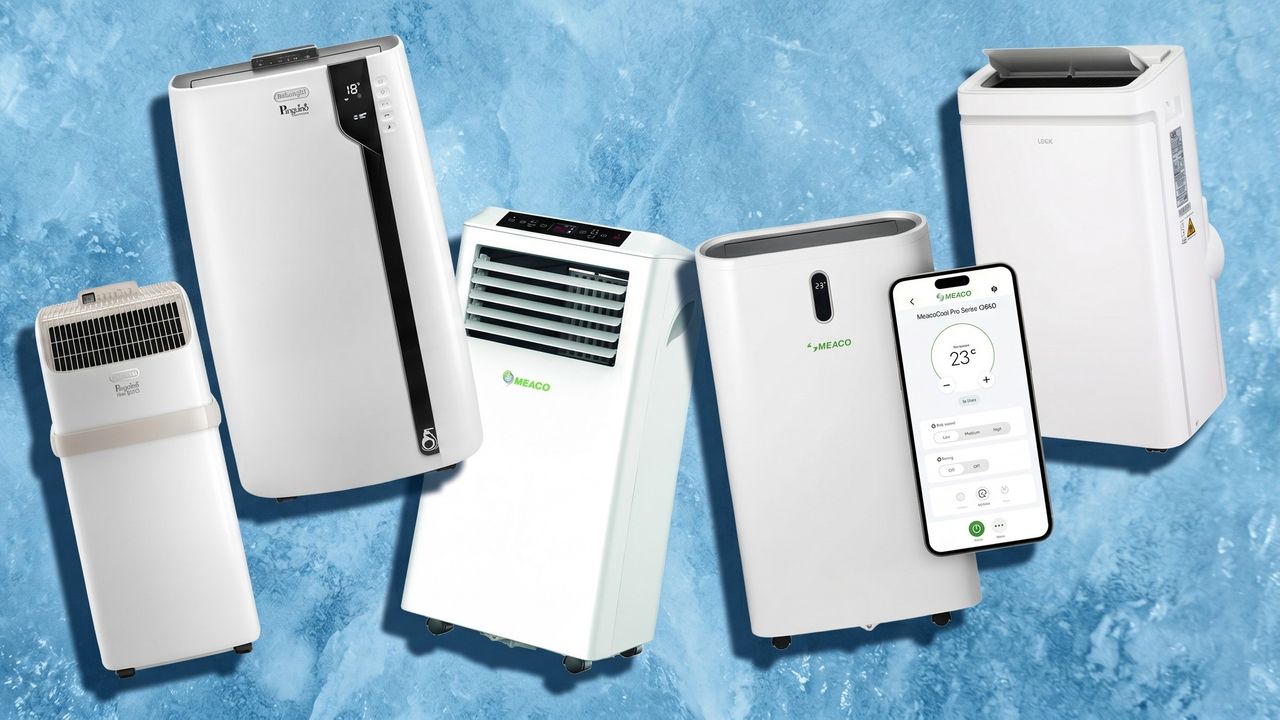
If you've invested in the best fan you can and it's still not cutting it, maybe it's time to think about upping the stakes. Maybe it's time for a portable air conditioning unit. It seems that's the thought process that's occurred to quite a few people over the long weekend, because many compact air-con units are now showing as unavailable.

There are still some great-quality options in stock, though — I've rounded up my top picks from trustworthy brands, backed by reassuring reviews, below.
If you're looking for more advice on buying and using a portable air con unit, scroll down for some top tips from Matt Bolton, who bought one two years ago and hasn't shut up about it since.
You can read his full missive about whether a portable air con is worth it ("100%... life would be immeasurably worse without it"), but I've also pulled the key takeaways below, for easy browsing.
Keep it cool


Now out of stock


The following are now showing as out of stock — most have the option to set up an alert when they become available again.


How to choose a portable air con
First up, BTU. This stands for British Thermal Units, and a higher BTU means the unit is suitable for bigger rooms. Unless you're only wanting to cool a tiny room, Matt suggests a minimum of 10,000 BTU. That's based on the efficiency of his own unit — "My 12,000 BTU air conditioner takes a fair amount of time to cool my bedroom, and it's not very large."
Opting for that kind of BTU rating rules out the most lightweight options, so while 'portable' might be in the name, don't expect to be carrying your air con up and down stairs on a regular basis. Matt flags that these things can get seriously heavy, and the internal workings are delicate.
Make sure, too, that you have somewhere appropriate for your portable air conditioner to sit. "Venting and power really affect where you can put them," he emphasizes. It'll need to be plugged in and sit close enough to a window that the duct can hang outside as it expels warm air. And of course, it'll need to live somewhere when it's not hot, too.
How to use a portable air con
While you can expect some instant results when you switch your air-con on, cooling an entire room will take several hours. Factor that in if your aim is getting temperatures down in your bedroom so you aren't sleeping in a sauna.
"For the best result, let it run all day, from morning until night," recommends Matt. "It's far easier for them to maintain the lower temperatures from overnight than to only start cooling once it's got really hot." Good-quality air con units will switch to low-power mode when the room reaches its target temperature, so you don't have to worry about them running for hours when they're not needed.
In use, to ensure the portable air conditioning unit works quickly and efficiently, you'll want to create as closed-off a space as possible for it to operate in. That means you'll need to figure out a way to block off the window with the duct hanging out. Typically, your air conditioning unit will come with plastic or velcro-based barriers, but their effectiveness will vary. Like Matt and his DIY cardboard solution, you may need to get creative.