Get all your news in one place.
100’s of premium titles.
One app.
Start reading
Livingetc
Livingetc
James Cunningham

9 of the Biggest Sofa Trends for 2026 — The Shapes, Colors, and Materials That Will Define Seating This Year

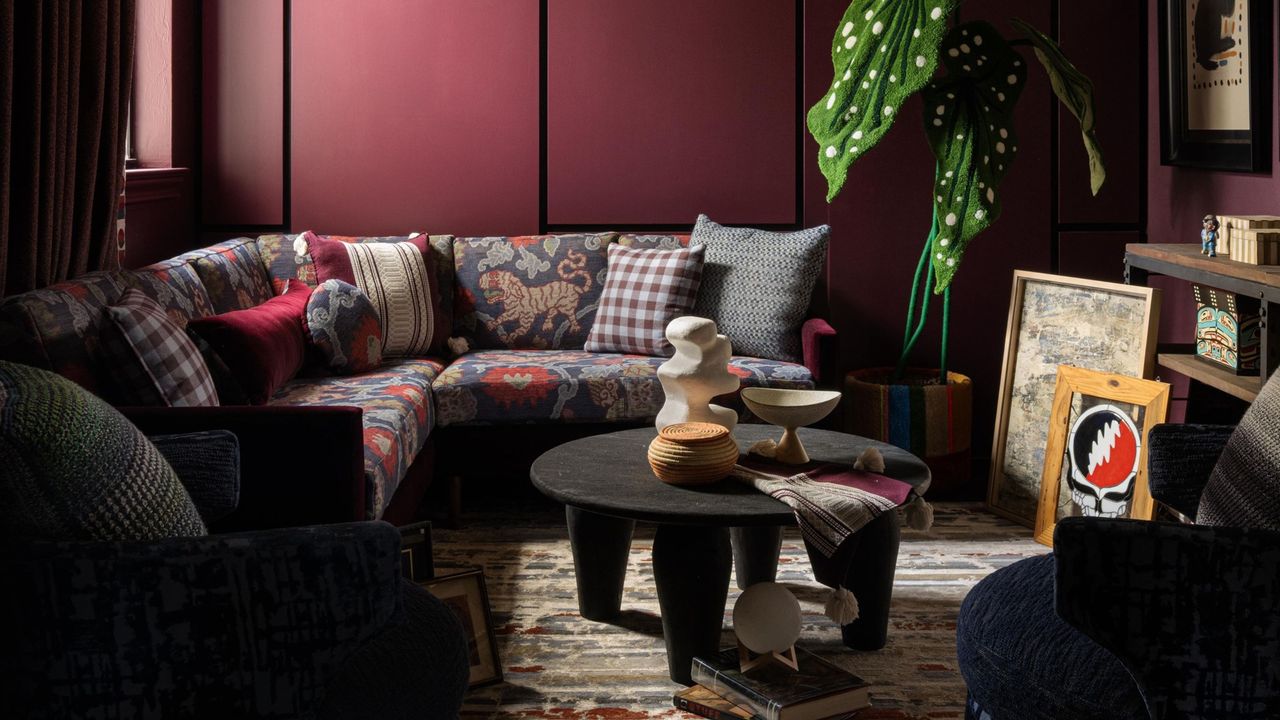
Patterned sofa in a cozy living room with purple walls, coffered ceiling, patterned carpet, potted plant, gallery wall, and round black coffee table with vases on it.

Choosing a new sofa is one of the most crucial design decisions you can make, whether you’re refreshing your seating arrangement or completely remodeling your living room. As the most important item of furniture in the space, it’s also one you’re unlikely to regularly replace — so why should sofa trends come into play?

It might seem easier to opt for an off-the-shelf neutral sofa and change the look of it from time to time with new cushions or a colorful throw, but by foregoing interior design trends, you miss out on an all-important opportunity to give your space personality, warmth, and a sense of individuality.

From upholstery fabrics to the silhouettes themselves, the good news is that many of the latest sofa trends for 2026 are, in fact, relatively timeless. “The most successful looks for this coming year are effortless and versatile,” agrees Caroline Milns, head of interior design at Zulufish. So, which are the best sofa styles worth paying attention to? We asked the experts which sofa trends are sure to delight right now but also stand the test of time. Here's what they said.

1. Decorative Embellishments

Fringing is a historic design detail that is enjoying a contemporary resurgence. (Image credit: Dave Wheeler. Design: Smac Studio)

Fringes, trims, and tassels are having a moment, working particularly well on sofas to add a sense of movement, texture, and playfulness. Many might previously have dismissed fringed sofas as too fussy or overly traditional, but designers and brands are now putting their own spin on the look (hello, Soho Home) and bringing it completely up to date. The key? Keeping the look calm rather than chaotic.

“These decorative details can be surprisingly contemporary, especially in a space with clean, graphic lines,” explains sensory designer Lauren Davies from HEKA. “Fringed sofas are a perfect sofa trend for 2026, giving those who love neutrals a way to tap into maximalism more subtly.”

“Fringing adds luxury to even the most restrained sofa designs, too,” says Lauren. “In this project by Smac Studio, the trim along the bottom of the sofa creates an instant feminine edge in a way that catches the eye, interacts with the light, and feels super contemporary for right now. What’s really beautiful is that fringed sofas can look very modern but feel completely soft and comfortable.”

2. Armless Wonders

A sofa without arms can make a room lighter and brighter. (Image credit: Anthropologie)

Sofas without arms, whether as a cut-away effect (for a chaise-style look) or simply stripped off entirely, are a key trend to note. By subtly blurring the boundaries, armless sofas make spaces feel airy and more expansive.

“Armless sofas strike this perfect balance between calm, comfort, and flexibility,” reveals interior designer Juliette Byrne. “Their softer forms and lower profiles prevent a layout from feeling boxed-in, while allowing the eye to travel uninterrupted across a room. They shape the flow of a space, create subtle zones within it, and make it feel visually lighter.”

Preserve this sense of openness by keeping other pieces of furniture in your space, like the coffee table, occasional tables, or low sideboard units, at a similar height as the seat cushions to create a clean, unbroken sightline across the space.

3. Mirror Image

This matchy-matchy sofa trend proves that two can be far better than one. (Image credit: Michael Sinclair. Design: Golden)

If you’ve fallen in love with a particular sofa design, why not add two, rather than just one, to your floor plan? Placing a pair of sofas directly opposite each other is fast becoming a go-to way that designers make seating the centerpiece of a room. Follow Golden's example to create a space that works just as well for relaxed, everyday living as it does for more formal gatherings.

“Arranging sofas in this way encourages connection and conversation,” says Greig Robinson, founder of Slow. “This layout flexes beautifully and is a wonderfully democratic way of furnishing a space, as no one gets the worst seat and everyone has the same comfort and presence.”

To maximize this effect, opt for sofa designs that aren’t too deep (so you remain upright rather than becoming progressively reclined) and have a slightly lower back (so the arrangement doesn’t look or feel imposing).

A central coffee table can act as a visual anchor, but make sure there’s enough space to comfortably move around it from all sides. “You want the room to feel open, so maintaining this sense of flow is essential,” instructs Greig.

4. Generous Forms

The most sculptural sofa shapes are often the most comfortable, as this design classic shows. (Image credit: Nick Smith. Design: K'Arte Design)

“At the moment, there’s a real desire for expressive comfort,” believes Katerina Tchevytchalova, director of K’Arte Design. “Textural, enveloping designs are resonating more than ever as we want our homes to feel emotionally supportive, making body-hugging sofas a key trend for 2026.”

Case in point? The enduring popularity of the iconic Bubble design from Roche Bobois, shown here in one of Katerina’s recent projects. “The sofa’s trademark grooves, tufting, and embracing curves invite touch, create a sense of refuge, and bring a human, grounding softness to contemporary living spaces,” she explains. “Classics like this feel very current as their shapes naturally align with our moving shift toward softer, more inviting interiors.”

To make a design icon the highlight of your seating arrangement, position the piece as a focal point and give it room to breathe. The restrained palette here, for example, allows the form to take center stage and emphasizes its 'touch-me' textures.

5. Hints of Pattern

This two-tone sofa upholstery technique is an emerging trend that interior designers love. (Image credit: Astrid Templier. Design: Rebecca Hughes)

A sofa in a wow-factor print or a statement motif is sure to catch the eye, but it doesn’t necessarily tick the ‘timeless’ box. Is it possible to have a patterned sofa that won’t stick out or become too much of a focal point? Yes, if this latest upholstery trend is anything to go by — interior designers are increasingly using just flashes of patterned textiles rather than covering sofas entirely in them.

“There’s a real shift towards using pattern more confidently, but not everyone wants a sofa that’s fully covered in it,” agrees Rebecca Hughes. “Using pattern as an accent creates just the right amount of visual interest while keeping the overall look calm and balanced.”

In this space, the designer opted for stripes. “Layering pattern in this way adds depth without things tipping into ‘too much’, allowing other elements and surrounding materials to stand out,” she explains. “Stripes are particularly relevant right now, especially when they’re not too bold or high-contrast. I love using them as a subtle framing detail to add structure, break up large areas of fabric, and add a quiet moment of character.”

6. Inviting Corners

A corner sofa is a simple way to make a room feel intimate and convivial. (Image credit: Gabriel Volpi. Design: Mr Alex Tate)

The trend for conversation rooms (living spaces dedicated to talking rather than just watching television) is having an impact on sofa trends for interior designers. “People are looking to create a clubby, lounge-style feel to make their nooks and dens more personalized,” agrees Alex Alonso, founder of Miami-based studio Mr Alex Tate.

Look out for corner sofas, which can be combined with and arranged around armchairs, low stools, and ottomans to maximize chatter and conviviality. “A sectional or corner sofa creates that intimate moment where you can lounge, but still see everyone in the room,” says Alex. “They’re great as they serve multiple functions. In a den like this one, my clients can easily lie back while multiple people can sit down on the sofa when they’re entertaining.”

For a feeling of total intimacy, the trend is to push corner sofas snugly against a wall, embracing the natural boundaries of your space and creating a defined (but no less inviting) zone for social interaction and engaging conversation.

7. Modular and Multifunctional

Built-in tables make a modular sofa work twice as hard. (Image credit: Muuto)

Modular sofas make being creative and flexible with your seating arrangement simple, but we’ve noticed an emerging trend that goes one step further. Sofas with built-in (but easily movable) surfaces, including the snappily-named Connect from Muuto, shown here, and Molteni’s newly-unveiled Emile, are becoming ever more popular. Is it any wonder?

“This progression speaks to the way people are truly living now,” agrees Esra Kumbasar, design director at Accouter. “We’re naturally reaching for surfaces, whether to pick up a laptop, a book, or a cup of coffee, and having that built into our sofa design is a quiet kind of comfort in our spaces.”

“Modular seating with integrated table elements is a thoughtful approach to form and function, allowing interiors to feel refined rather than overly designed or full of clutter,” he explains. “A sofa with a table feels like a singular, considered piece that supports both our aesthetics and our lifestyles.”

8. Brown Leather Is Back

Leather sofas in myriad shades of brown are back on the design agenda. (Image credit: Mariell Lind Hansen. Design: Studio Duggan)

After something of a hiatus, we’re noticing that many interior designers are welcoming leather sofas in rich tones of chocolate, cinnamon, and cognac back into the fold. Good news, we say, as the material is perfect for balancing sophistication with comfort (as this Studio Duggan project demonstrates beautifully).

“This resurgence speaks to our collective desire for spaces that feel grounded, and the beauty of the material lies in the way it anchors a room with effortless warmth and luxury,” believes global design authority Martin Waller. “A brown leather sofa is evocative, tactile, and has a rich patina that only improves with age.”

To make a brown leather sofa look and feel contemporary, balance the material with harder elements — sleek metallics, rustic stone, and grainy woods — as the contrast can make even the most love-worn leather upholstery appear sleeker, brighter, and more striking.

9. Puffy, Not Polished

An artful combination of plush proportions and neat detailing defines this sofa trend. (Image credit: &Tradition)

“Sofas should first and foremost be comfortable, but that should never mean compromising on style,” believes Caroline Milns from Zulufish. For a sofa trend that embraces both ergonomics and aesthetics, look to the increasing numbers of puffy shapes and sculptural forms dotted around the design landscape.

The new Hi Lo modular design from &Tradition (created by Anderssen & Voll) blends comfort and practicality with a sense of tailored elegance. The subtle curves, high back, and low height make the sofa an indulgent and comfortable choice, but its minimalist silhouette keeps the puffy effect streamlined rather than bulky or overly playful.

“When it comes to upholstery, plush fabrics play a huge role in creating that balance,” instructs Caroline. “Velvet offers an irresistible softness and touch of luxury, ideal for creating a cozy atmosphere that still feels glamorous. This makes the design feel relaxed and informal for day-to-day living but similarly ‘dressed up’ when hosting.”

FAQs

Which Sofa Textiles Are On Trend for 2026?

Tap into the trend for organic, lived-in spaces by choosing a sofa made from real leather and organic linen. These materials improve with age, making them wise investments, and they’re ideal for creating a relaxed look.

Tactile velvet and nubby bouclé are definitely not newcomers to the sofa world, but their use has shifted from merely indulgent to something a little more tailored. Look out for the materials on structured silhouettes and sharper frames, rather than just the plush pieces you might usually expect.

Another trend to watch: mixing and matching. Look out for sofas combining two textiles, for example, a velvet frame paired with seat-backs and cushions in a contrasting wool or cotton.

What Color of Sofas Are On Trend for 2026?

Moody hues like bruised purple and dark green continue to lend a glamorous, chic look to sofa color trends this year, especially in velvet.

Neutrals, ranging from taupe to soft white (including Cloud Dancer, Pantone’s 2026 Color of the Year), endure and allow sculptural shapes and more out-of-the-ordinary sofa silhouettes to look and feel more versatile.

One new trend is for knocked-back natural shades, such as sky blue, mellow sunshine yellow, and delicate leaf green — these colors are uplifting but not bold, bright but without being too saturated; a breath of fresh air.


This year’s sofa trends prove that this piece of furniture is so much more than simply a place to sit. It has become our go-to destination for solitary relaxation, family entertainment, and conversation when entertaining, not to mention the anchor around which we furnish and decorate our living rooms as a whole.

Whether you choose an iconic sofa or expand your decorative horizons with a new sofa design, the priority should always be comfort. While looks may shift, this year’s sofa trends prove that designers are focusing on tactile finishes, versatile silhouettes, and functional capabilities — and it doesn’t get more timeless than that.

Sign up to read this article
Read news from 100’s of titles, curated specifically for you.
Already a member? Sign in here
Related Stories
Top stories on inkl right now
One subscription that gives you access to news from hundreds of sites
Already a member? Sign in here
Our Picks
Fourteen days free
Download the app
One app. One membership.
100+ trusted global sources.