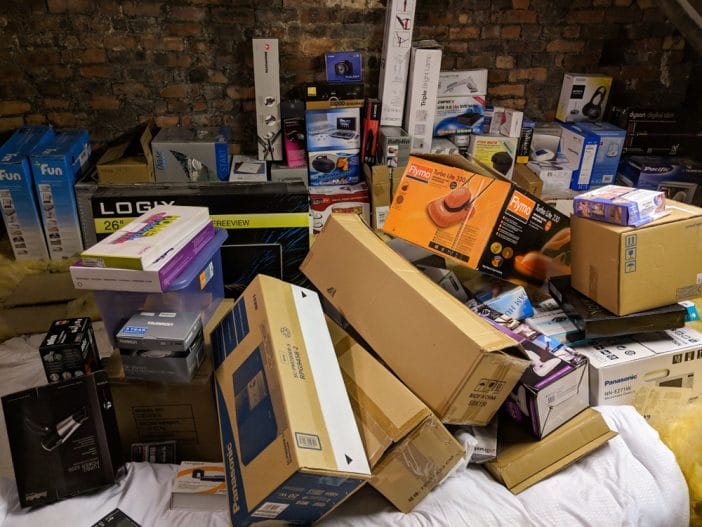
For many homeowners, the attic becomes a sort-of catch-all for anything you don’t want on display in your house. Christmas decorations, nostalgic stuff, old art projects, you name it… just toss it in the attic! But home safety experts warn that certain items could actually pose a threat to your house when exposed to the extreme temperatures and humidity swings in most attics. Taking the time to understand what not to throw up in the attic could save you a lot of money (and heartache). That said, here are eight things that have no business being stored in your attic.

1. Photographs and Important Documents
Photographs and paper documents are extremely sensitive to heat and humidity, which makes the attic one of the worst places to store them. Over time, the temperature swings can cause photos to curl, fade, or stick together permanently. Important documents like birth certificates, legal papers, and financial records can become brittle or illegible. Home safety experts recommend keeping these items in climate-controlled areas to preserve them for the long haul.
2. Electronics and Old Devices
Electronics may seem like clutter you can stash away, but they don’t hold up well in attic conditions. Heat can warp internal components, while moisture can corrode wiring and circuit boards. Even if you think you’ll never use the device again, improper attic storage can turn it into hazardous e-waste. Batteries inside old electronics can leak, creating a fire risk or damaging nearby items. It’s far safer to store electronics in a temperature-controlled space or recycle them properly.
3. Wooden Furniture and Antiques
Wooden furniture may look sturdy, but it reacts dramatically to changes in temperature and humidity. In an attic, wood can swell, crack, or warp, permanently damaging the piece. Antique furniture is even more vulnerable because of its age and delicate construction. Experts say keeping things in your attic accelerates deterioration, especially during hot summers or damp winters. If you want to preserve the value and condition of your furniture, the attic is not the place for it.
4. Candles and Wax-Based Items
Candles might seem harmless, but they’re one of the most common items that melt in attic heat. Even moderate warmth can soften wax, causing candles to warp, fuse together, or leak onto other stored items. The dyes and fragrances in candles can also break down, leaving a mess that’s nearly impossible to clean. Home safety experts warn that melted wax can seep into wood or insulation, creating a lingering odor.
5. Clothing and Textiles
Clothing, linens, and fabric items may seem like easy attic storage candidates, but they’re highly susceptible to moisture and pests. Attics often attract insects and rodents, which can chew through fabric or leave behind contamination. Humidity can also cause mold and mildew to grow on textiles, ruining them beyond repair. Even vacuum-sealed bags don’t offer full protection in extreme conditions. If you want your clothing and linens to stay clean and usable, keep them out of the attic.
6. Paint, Chemicals, and Cleaning Supplies
Paint and chemical products are extremely sensitive to temperature changes, which can cause them to separate, spoil, or become unstable. Storing them in the attic can also create a fire hazard, especially during hot months. Fumes from these products can seep into insulation or living spaces, creating indoor air quality issues. Home safety experts strongly advise storing chemicals in cool, dry areas away from heat sources.
7. Holiday Decorations Made of Delicate Materials
Holiday decorations often end up in the attic, but not all materials can withstand the environment. Items made of paper, fabric, or thin plastics can deteriorate quickly in heat and humidity. Ornaments with glued components may fall apart, and string lights can become brittle or unsafe. Even foam decorations can crumble over time, leaving a mess behind.
8. Photographic Film, Media, and Vinyl Records
Old film reels, VHS tapes, DVDs, and vinyl records are all extremely sensitive to heat. High temperatures can warp vinyl, distort film, and degrade magnetic tape. Once damaged, these items are nearly impossible to restore. Experts say this is one of the fastest ways to ruin media collections, even if they’re boxed up. If these items have sentimental or monetary value, keep them in a climate-controlled space.
Why Smart Attic Storage Protects Your Home
Being selective about attic storage isn’t just about protecting your belongings. It’s also about protecting your home. Items that melt, warp, or leak can damage insulation, attract pests, or create fire hazards. By storing only safe, durable items in your attic, you reduce long-term risks and avoid costly repairs. A little planning now can save you frustration and money later. When in doubt, choose climate-controlled storage instead of risking damage in the attic.
What’s the most surprising thing you’ve discovered in your attic, or the biggest mistake you’ve made storing something up there? Share your story in the comments.
What to Read Next
10 Things Home Safety Experts Say You Shouldn’t Store in a Garage
9 DIY Projects That Can Lower Home Safety Ratings
10 Home Safety Devices That Don’t Work as Advertised
10 Things Stored in Your Attic That Could Be Breaking the Law
7 Attic Inspections You Need to Do Before the Snow Melts
The post 8 Things Home Safety Experts Say Don’t Belong in Your Attic appeared first on Clever Dude Personal Finance & Money.