The widespread popularity of low-fat products is a strong marketing victory. For decades, consumers were taught to believe that removing fat automatically makes a food healthier. However, when manufacturers remove fat, they must compensate for the lost flavor and texture. This compensation usually comes in the form of cheap fillers, starches, and, most frequently, added sugar. The resulting product often offers less nutritional value and, due to the complex reformulation, costs the consumer more money.
1. Low-Fat Peanut Butter
Traditional peanut butter contains only peanuts and salt. The “low-fat” version replaces that natural fat with sweeteners and various forms of corn syrup. This transformation increases the carbohydrate and sugar content per serving. The shopper pays a premium for this chemically stabilized, higher-sugar product. They receive lower satiety and a diminished nutrient profile in return.
2. Yogurt
Yogurt is a classic example of this nutritional trade-off. When the milk fat is removed, the appealing creamy texture is lost. To restore palatability, manufacturers add fruit purees, gelatin, and large amounts of sugar. This process often leaves the low-fat version with the same or even higher calorie count than the original full-fat version. The shopper pays more for a highly processed, high-sugar item.
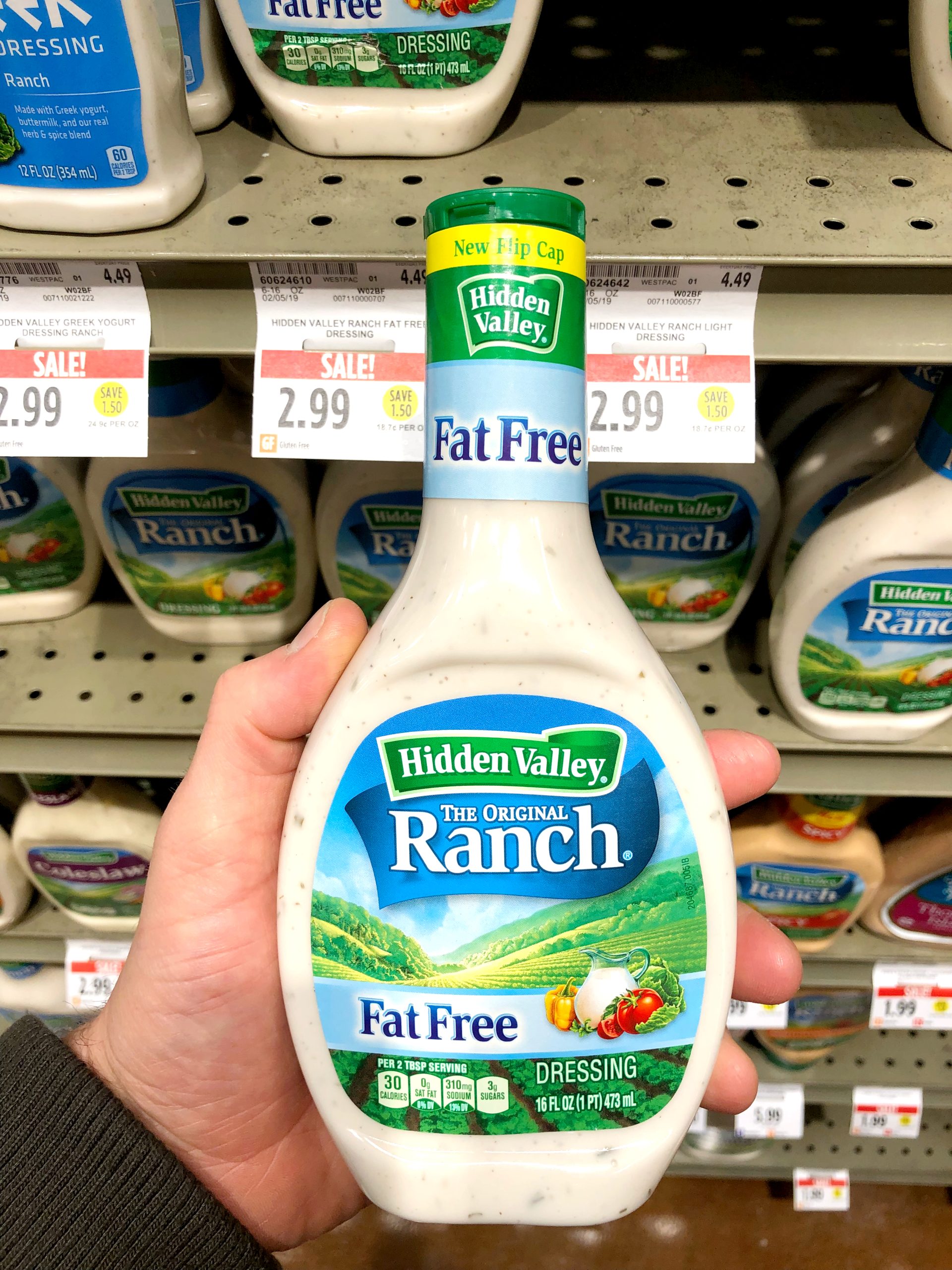
3. Low-Fat Salad Dressing
Fat is essential for binding the ingredients and carrying the flavor in a salad dressing. Low-fat dressings replace the oil with thickeners like maltodextrin and vegetable gums. These stabilizers require significant added sugar to prevent the dressing from tasting watery or metallic. The resulting product is usually more expensive than oil and vinegar and offers minimal nutritional benefit.
4. Cheese
Removing fat from cheese often leads to a rubbery, poor-melting texture. To improve this, manufacturers add extra gums, colorants, and whey protein concentrates. The complex processing needed to make this cheese palatable increases the final retail price. The shopper pays more for a cheese product that sacrifices melt quality and flavor for a lower fat percentage.
5. Reduced Fat Cream Cheese
Cream cheese relies entirely on milk fat for its signature rich flavor and smooth texture. When manufacturers reduce the fat, they substitute it with various starches and thickeners. These fillers restore the volume but often dilute the flavor intensity. The consumer pays a premium for a product that tastes bland and lacks the essential rich texture of the original.
6. Low-Fat Milk
The difference between whole milk and skim or 1% milk is largely one of fat content. However, the fat in whole milk contributes significantly to satiety. Studies show that consuming low-fat milk often causes consumers to feel hungry sooner. This leads to increased consumption of other foods, negating the minor calorie saving. The perceived health benefit does not translate into effective long-term value.
7. Granola
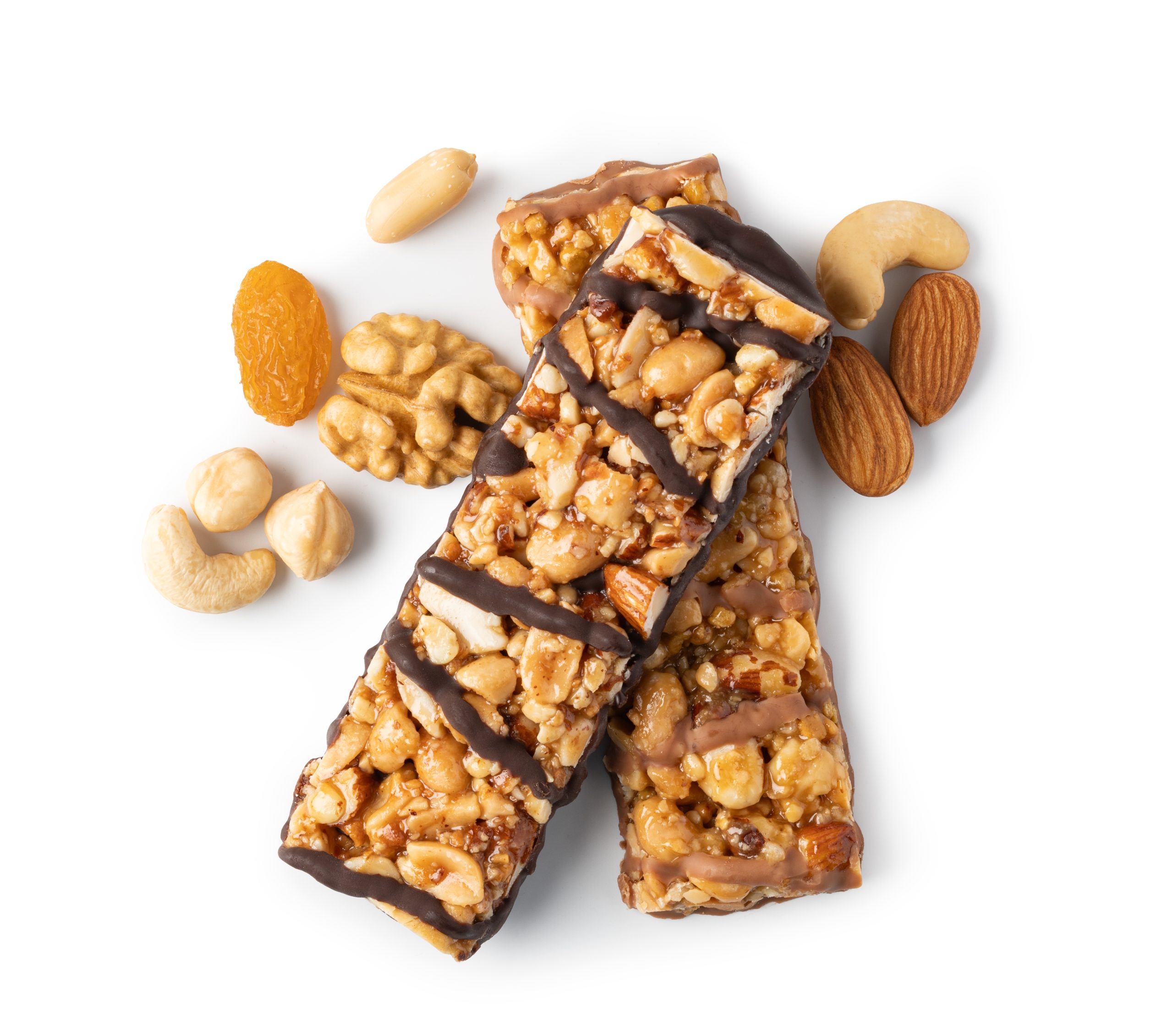
Granola should be a simple blend of whole oats, nuts, and natural sweeteners. The low-fat versions often compensate for the lack of binding fat by adding extra syrup or honey to create clumps. This formulation increases the sugar concentration of the product. The shopper pays a premium for a highly refined product that contains concentrated sugars.
8. Snack Crackers
Crackers labeled “low fat” often replace the fat with increased salt and sugar for flavor enhancement. This changes the item from a source of healthy fats to a source of simple carbohydrates and high sodium. Consumers believe they are making a healthier choice, but they are paying a higher price for a product loaded with cheap flavor substitutes.
The Costly Trade-Off
The removal of natural fat triggers an expensive, chemically intensive replacement process. Consumers must recognize that the “low-fat” label is a premium marketing claim. It is not necessarily a guarantee of superior health or financial value. The most economical and satisfying choice is often the original, minimally processed product.
What to Read Next
- 6 Foods That Used to Be Healthy Until Companies Changed the Recipe
- How Healthy Label Claims Exploit Health-Conscious Shoppers
- Think Avocados Are Healthy? These 6 Drugs Can Turn Them Into a Risk
- 12 Healthy Label Claims That Are Red Flags for High Sodium
- 10 “Healthy” Items That Have More Sugar Than Candy Bars
The post 8 Grocery Items Where “Low Fat” Means Higher Cost and Lower Value appeared first on Grocery Coupon Guide.