
We’ve all experienced it: you bring home a bag of groceries, only to find some foods spoil much sooner than expected. This isn’t just frustrating—it’s also a waste of money and effort. Understanding which foods go bad faster after you bring them home can help you store them better and reduce food waste. While some items might seem like they should last, their shelf life can be surprisingly short if not handled properly. Knowing what to watch out for will help you get the most out of your grocery trips and keep your kitchen stocked with fresh, safe-to-eat food.
Let’s look at eight common foods that tend to go bad faster after you bring them home, and how you can make them last longer.

1. Berries
Berries are delicious but notoriously delicate. Strawberries, raspberries, blueberries, and blackberries all rank high among foods that go bad faster after you bring them home. Their thin skins and high moisture content make them prone to mold and mushiness within days.
To make berries last longer, avoid washing them until you’re ready to eat. Store them in a single layer in a breathable container lined with paper towels. If you notice any spoiled berries, remove them immediately to keep the rest fresh.
2. Leafy Greens
Leafy greens like spinach, lettuce, and arugula wilt and spoil quickly. Their high water content makes them one of the foods that go bad faster after you bring them home, especially if they’re damp or packed tightly.
After shopping, gently dry greens with a salad spinner or paper towel before storing. Place them in a loosely sealed bag or container with a paper towel to absorb extra moisture. This helps extend their life by a few days.
3. Avocados
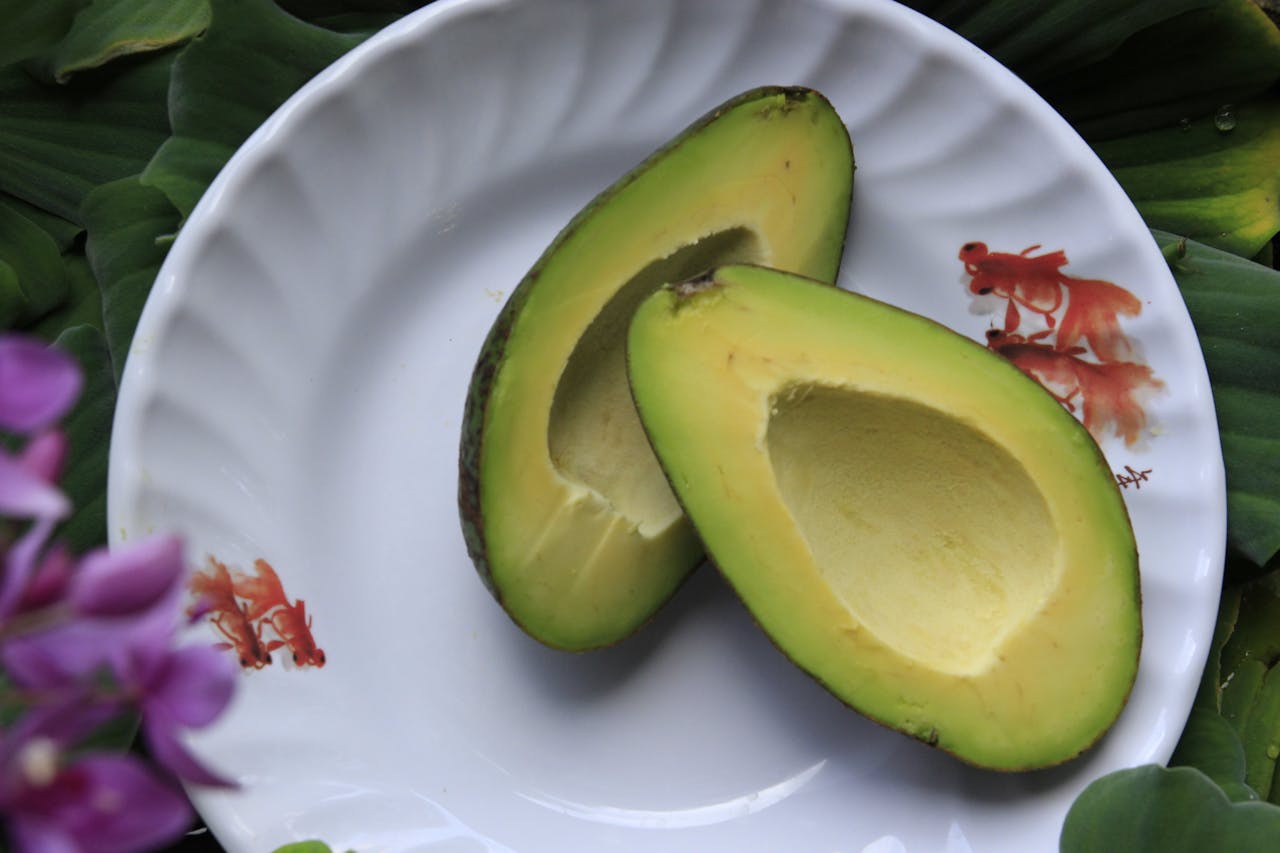
Avocados are tricky. They often seem rock-hard at the store, but after a day or two at home, they ripen—and then spoil—almost overnight. Once ripe, avocados can turn brown and mushy very quickly.
To slow down the ripening process, keep avocados in the fridge once they’re soft. If you only use part of an avocado, leave the pit in the unused half and wrap it tightly to help prevent browning.
4. Fresh Herbs
Fresh herbs like cilantro, basil, and parsley are among the foods that go bad faster after you bring them home. They wilt, turn black, or grow slimy if not stored properly.
Trim the stems and place herbs in a glass of water, like a bouquet, and cover loosely with a plastic bag. Keep them in the fridge (except for basil, which prefers room temperature). Change the water every couple of days for best results.
5. Mushrooms
Mushrooms are highly perishable and can turn slimy or moldy if stored in plastic or if they get too damp. Their delicate texture means they don’t last long after leaving the grocery store.
For best results, remove mushrooms from their packaging and store them in a paper bag in the fridge. This helps absorb excess moisture and keeps them fresh for a few days longer.
6. Bakery Bread
Bakery bread tastes great when fresh, but it can go stale or moldy quickly. Without preservatives, these loaves are classic examples of foods that go bad faster after you bring them home.
To keep bakery bread fresh, store it in a paper bag at room temperature for a day or two. For longer storage, slice and freeze the bread, then toast slices as needed.
7. Dairy Milk
Dairy milk can spoil rapidly if not kept cold, especially after being opened. Even when refrigerated, it’s one of the foods that go bad faster after you bring them home, particularly if the temperature fluctuates during transport.
Always refrigerate milk promptly and keep it on a shelf (not the door) for consistent cold. Check the “use by” date, and if it smells or tastes off, don’t risk it.
8. Pre-Cut Fruit
Pre-cut fruit is convenient but has a much shorter shelf life than whole fruit. Exposure to air speeds up spoilage and can encourage bacterial growth.
Eat pre-cut fruit within a couple of days. Store it in an airtight container in the fridge, and avoid buying more than you can use quickly.
How to Keep Foods Fresh Longer
Paying attention to foods that go bad faster after you bring them home can save you money and reduce waste. Simple steps like proper storage, removing spoiled items, and buying in smaller quantities make a big difference. Many of these foods spoil quickly because of moisture, temperature changes, or exposure to air.
Experiment with new storage tricks to see what works best for your family. Staying aware of which foods are most perishable helps you plan meals and snacks more efficiently. What foods do you find spoil the fastest in your home? Share your tips and experiences in the comments below!
What to Read Next…
- 8 Popular Foods That Spoil Faster Than You Think
- 8 Foods That Have a Really Short Shelf Life
- 5 Foods That Go Bad Faster in Plastic Than Glass
- Heres the Real Reason Milk and Eggs Are at the Back of the Grocery Store
- 15 Ways Shoppers Might Encounter Expired or Near Expired Food and How to Check
The post 8 Foods That Go Bad Faster After You Bring Them Home appeared first on Grocery Coupon Guide.