Get all your news in one place.
100’s of premium titles.
One app.
Start reading
Homes & Gardens
Homes & Gardens
Ella Kipling

7 Ways to Make Meal Prepping Quicker, Easier, and More Achievable – to Help You Actually Stick to a Plan All Year Long

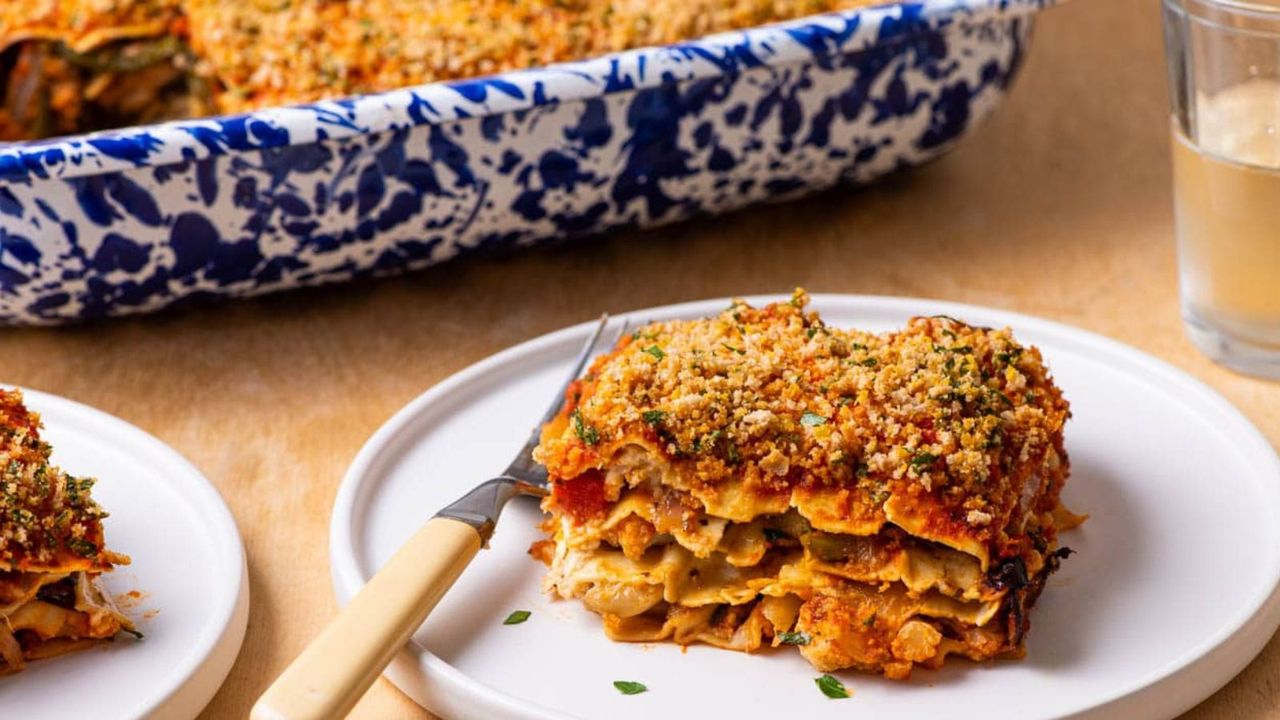
Slice of lasagne on a white plate with a blue and white dish in the background.

When the New Year rolls around, many of us will be looking for resolutions to make us better people over the year ahead. Perhaps you want to spend more time with the family, eat slightly healthier recipes, or cut down on food waste with clever food storage ideas. One simple change to your routine will allow you to do all of the above: meal prepping.

Sorting your meals in advance means that you will reduce the time spent preparing dinner each night exponentially, and the same applies to your stress levels. No more ‘what’s for dinner?’ panics, last-minute rush to the grocery store, or hours spent over the stove – yes, meal prepping could be the end of your weeknight woes.

But how can you introduce meal prepping into your life without it seeming like a mammoth task each week? We’ve spoken to the experts to find out how some easy alterations to your cooking and food shopping routine could help you create an achievable meal plan that you'll want to stick to all year long.

Prepare Your Shopping List Carefully

Taking time to prepare your shopping list is an important part of meal prepping, according to Robert Morales, celebrity chef at Chefin. Before heading to the store, you should create an inventory list of what you already have in your fridge and pantry and look at what produce is in season. Robert explains that he then builds a meal plan for the week ahead based on what needs to be used up, before making his shopping list. 'It is also important to take the family’s weekly schedule into consideration – school runs, travel plans, visitors, kids’ parties etc,' he advises. 'Opt for simpler meals on busy days and save more complex dishes for quieter evenings,' he suggests.

Focus on the Ingredients First

(Image credit: Emmy Clinton)

The key to creating an achievable routine is focusing on the ingredients themselves for a number of recipes, rather than the meal at a time. Emmy Clinton, founder and recipe creator at Entirelyemmy, suggests washing, chopping, and cooking the ingredients for different recipes first. 'I think meals taste better when stored separately, so instead of making and assembling complete meals, I’ll prep all of the ingredients and assemble later,' she says. This includes cooking up any grains, marinating the proteins, preparing the vegetables, and making sauces and dressings, before storing them all in separate containers. 'This way, assembling the meals takes five to ten minutes, instead of cooking for one to two hours.'

Try the 3-2-1 Technique

(Image credit: Emmy Clinton)

It can sometimes be overwhelming working with multiple elements and trying to decide which sides to pair with certain proteins, so Morgan Peaceman, creator of the Nomaste Hungry blog, suggests keeping things simple with the 3-2-1 method. This means preparing three vegetables, two proteins, and one large starch batch over the weekend. 'This allows for a variety of different combinations of meals and options. Plus, leftovers can be combined into an additional meal to use up scraps from various cooked items, so nothing goes to waste,' she says.

Cook Once, Season Twice

(Image credit: Alexandra Shytsman)

Cooking one base and using different seasonings is a useful way to cut down on prep time while still ensuring variety across your weekly meals, Priya Lakshminarayan, creator of Cookilicious and author of The Essential Vegan Indian Cookbook (Amazon), says. 'When prepping the base, such as beans, rice, and lentils, keep the seasoning to just salt and fat. Then, just before reheating and serving, add spice blends, sauces, or fresh herbs to bring the dish to life. For example, I’ll reheat chickpeas first, then stir in a freshly made Chettinad paste or Thai curry paste – the aroma and flavor are noticeably better than fully seasoning days ahead,' Priya explains. 'This method saves time, reduces waste, and keeps meals exciting without extra effort. You’re not cooking five different meals – you’re building smart foundations and letting seasoning do the heavy lifting.'

The Freezer is Your Friend

(Image credit: Unsplash)

Not everything needs to be kept in the fridge, and organizing your freezer properly can be a really useful way of increasing your food storage for meal preping. Some meals freeze really well, like soup, chili and pasta, Nicole Langdon, co-founder of The Candid Cooks, says. 'Invest a little time upfront batch cooking ingredients or meals, and then freeze them for later. My freezer is the best time-saver for everyday cooking because I can just grab what I need and defrost it instead of having to make a fresh protein or sauce day after day,' she says. For storing soup in the freezer, Nicole suggests using Souper Cubes (from Amazon), which help you freeze meals in perfectly sized portions for easy reheating. Freezing protein, like steak or chicken, in a marinade is another time-saving trick, as when you let it defrost in the fridge it will marinate as it thaws.

Keep Healthy Snacks at Hand

(Image credit: Emma Dorge photography)

It can be easy to focus too much on the meals and forget about snacks, but these can be batch-prepared too. Kimber Dean, author of The Happy Food Cookbook, explains that a great way to save time is to wash and chop vegetables as soon as you get home from the store. Creating a ‘grab and go’ snack bin of cut fruit, veggies, and dips is a great way to encourage your children to eat healthily, without having to wash and cut fresh produce every day. Kimber suggests using clear glass containers for visibility (try IKEA's 365+ glass food storage range), 'because when vegetables are clearly seen, they’re more likely to be eaten,' Kimber says.

'Make sure the container is airtight and easy to open, especially containers that can go straight from fridge to table,' she adds. Washed and cut vegetables will stay fresh for three to five days if stored in airtight containers in the refrigerator. 'I suggest placing a paper towel inside the container to absorb excess moisture, which will keep veggies crispier longer,' Kimber explains.

One Pot Can be Enough

(Image credit: Emmy Clinton)

Often, one pot – like one of the best Dutch ovens – is all you need to batch prepare meals for the family, and the time you’ll save on washing up is an added benefit. Alexandra Shytsman, recipe developer at The New Baguette, said soups and stews are optimal for meal prep as they get better as they sit in your refrigerator. 'One-pot recipes are usually easy to double in volume, so you can make several days' worth of food with pretty much the same amount of effort,' she says. 'Baked pasta, casseroles and lasagna also reheat well,' she adds, and suggests lentil soup and chilli con carne for those looking for hearty, winter dishes.

Shop the Meal Prepping Essentials

So now you’re ready to transform your dinners by setting up your own achievable meal prepping routine, why not take on drinks too? Our guide to the best juicers will help you start the year feeling refreshed – and it’s an easy way to get some extra fruit and vegetables into your diet.

Sign up to read this article
Read news from 100’s of titles, curated specifically for you.
Already a member? Sign in here
Related Stories
Top stories on inkl right now
One subscription that gives you access to news from hundreds of sites
Already a member? Sign in here
Our Picks
Fourteen days free
Download the app
One app. One membership.
100+ trusted global sources.