
Get all your news in one place.
100’s of premium titles.
One app.
Start reading
Times Life
Times Life
Nidhi

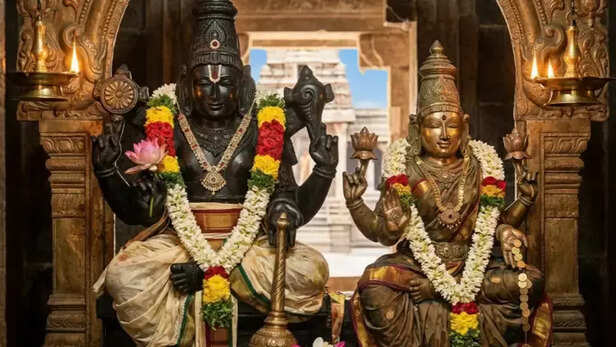
7 Vishnu Temples People Visit When Everything Goes Wrong (Even Non-Believers)

ॐ नमो भगवते वासुदेवाय।

There are days when nothing dramatic happens, yet everything feels wrong. You are doing what you are supposed to do, working hard, staying patient, being decent, and still life refuses to move forward. Plans fail quietly. Answers stop coming. People around you say “time will fix it,” but time just keeps passing.

It is usually in such phases that people walk into Vishnu temples. Not because they suddenly become religious, but because they need something stable to hold on to. Vishnu is seen as the preserver, the one who keeps things from falling apart completely. That idea alone brings comfort when life feels fragile. This is why even non-believers, skeptics, and practical thinkers end up visiting these temples when everything seems to go wrong.

1. Tirupati Balaji Temple

Chennai, Sep 22 (ANI): Devotees carry large umbrellas to the Tirumala Tirupati t...
<p>Chennai, Sep 22 (ANI): Devotees carry large umbrellas to the Tirumala Tirupati temple during the "Tiruppathi Kudai" festival, in Chennai on Monday. (ANI Photo)</p>

Tirupati is one of the most visited religious sites in the world, and its importance goes beyond devotion. Lord Venkateswara is worshipped here as the preserver of cosmic order in Kali Yuga. According to Vaishnava tradition, Vishnu chose Tirumala as His earthly abode to guide humanity through moral and material chaos. Scriptures describe Him as a deity who actively listens to human suffering and responds according to karma and effort.

People visit Tirupati during financial crises, job losses, debt problems, and family instability. The ritual discipline of the temple, including strict vows and structured darshan, reinforces the idea that order and patience can return even when life feels uncontrollable. Many non believers see Tirupati as a place of mental reset rather than blind faith.

2. Sri Ranganathaswamy Temple

Srirangam is not just a temple but a spiritual city built around Vishnu in His cosmic resting form. Lord Ranganatha represents divine control over time and destiny. The temple is deeply connected to the philosophy of surrender, where the devotee accepts human limitation while trusting divine intelligence.

People come here during long phases of stagnation, when life feels paused without explanation. Vaishnava scholars believe Srirangam is especially powerful for those facing repeated failures despite effort. The temple emphasizes inner discipline, ethical living, and patience as tools to realign destiny rather than shortcut solutions.

3. Badrinath Temple

Chamoli, Oct 19 (ANI): A view of the floral decoration at Badrinath Dham temple ...
<p>Chamoli, Oct 19 (ANI): A view of the floral decoration at Badrinath Dham temple for Diwali, in Chamoli on Sunday. (ANI Photo)</p>

Located in the Himalayas, Badrinath represents Vishnu as Badri Narayan, the ascetic preserver. Ancient texts describe this region as a place where divine energy corrects karmic imbalance. Unlike temples associated with material wishes, Badrinath is linked with purification of past actions.

People often visit Badrinath after severe personal losses, prolonged illness, or emotional breakdowns. The spiritual environment reinforces detachment and acceptance, which are core Vishnu principles. Many skeptics describe the experience as grounding rather than mystical, helping them regain perspective during overwhelming life phases.

4. Jagannath Temple

Lord Jagannath is Vishnu in His most accessible form. Unlike traditional idols, His form symbolizes universality and equality. The temple philosophy teaches that suffering does not discriminate and neither does divine grace.

People visit Puri when life feels unfair or unjust. Scriptural belief holds that Jagannath accepts everyone regardless of background, belief, or past mistakes. The Rath Yatra itself represents movement after stagnation, a symbolic reminder that life never remains permanently stuck. Even rational thinkers often find comfort in the temple’s emphasis on acceptance rather than punishment.

5. Padmanabhaswamy Temple

Dagadusheth Halwai Ganpati to showcase Padmanabhaswamy Temple replica this Ganeshotsav
<p>Dagadusheth Halwai Ganpati to showcase Padmanabhaswamy Temple replica this Ganeshotsav</p>

Padmanabhaswamy represents Vishnu as the silent guardian of cosmic wealth and balance. Unlike popular belief, the temple’s philosophy focuses not on riches but on responsibility, restraint, and order. Vishnu here is believed to regulate material flow according to dharma.

People visit this temple during financial instability, legal troubles, or power struggles. The temple’s disciplined traditions emphasize humility and accountability. Many who do not believe in ritual worship still find value in the philosophy that uncontrolled desire often leads to collapse.

6. Dwarkadhish Temple

Dwarka is associated with Krishna as the wise ruler who faced betrayal, war, and moral dilemmas. Vishnu here is remembered not as a perfect god but as a strategic thinker navigating complexity.

People visit Dwarka when relationships break down or moral confusion dominates life. The temple’s teachings revolve around duty, balance, and emotional intelligence. Krishna’s life reassures visitors that chaos does not mean failure but transition. This resonates strongly with modern skeptics facing ethical and emotional conflicts.

7. Rama Janmabhoomi Temple

Ayodhya, Jan 21 (ANI): An artist paints Lord Rama's picture on a wall ahead of t...
<p>Ayodhya, Jan 21 (ANI): An artist paints Lord Rama's picture on a wall ahead of the opening anniversary of Shri Ram Janmabhoomi Temple, in Ayodhya on Tuesday. (ANI Photo)</p>

Ayodhya represents Vishnu as Rama, the embodiment of patience and righteousness under suffering. Rama’s life is central to the idea that right action often involves loss, delay, and sacrifice before restoration.

People visit Ayodhya during periods of injustice, false accusations, or emotional exhaustion. The temple’s philosophy emphasizes endurance and moral clarity over instant reward. Many who question religion still connect with Rama’s human struggle and ethical discipline.

Sign up to read this article
Read news from 100’s of titles, curated specifically for you.
Already a member? Sign in here
Related Stories
Top stories on inkl right now
One subscription that gives you access to news from hundreds of sites
Already a member? Sign in here
Our Picks
Fourteen days free
Download the app
One app. One membership.
100+ trusted global sources.