
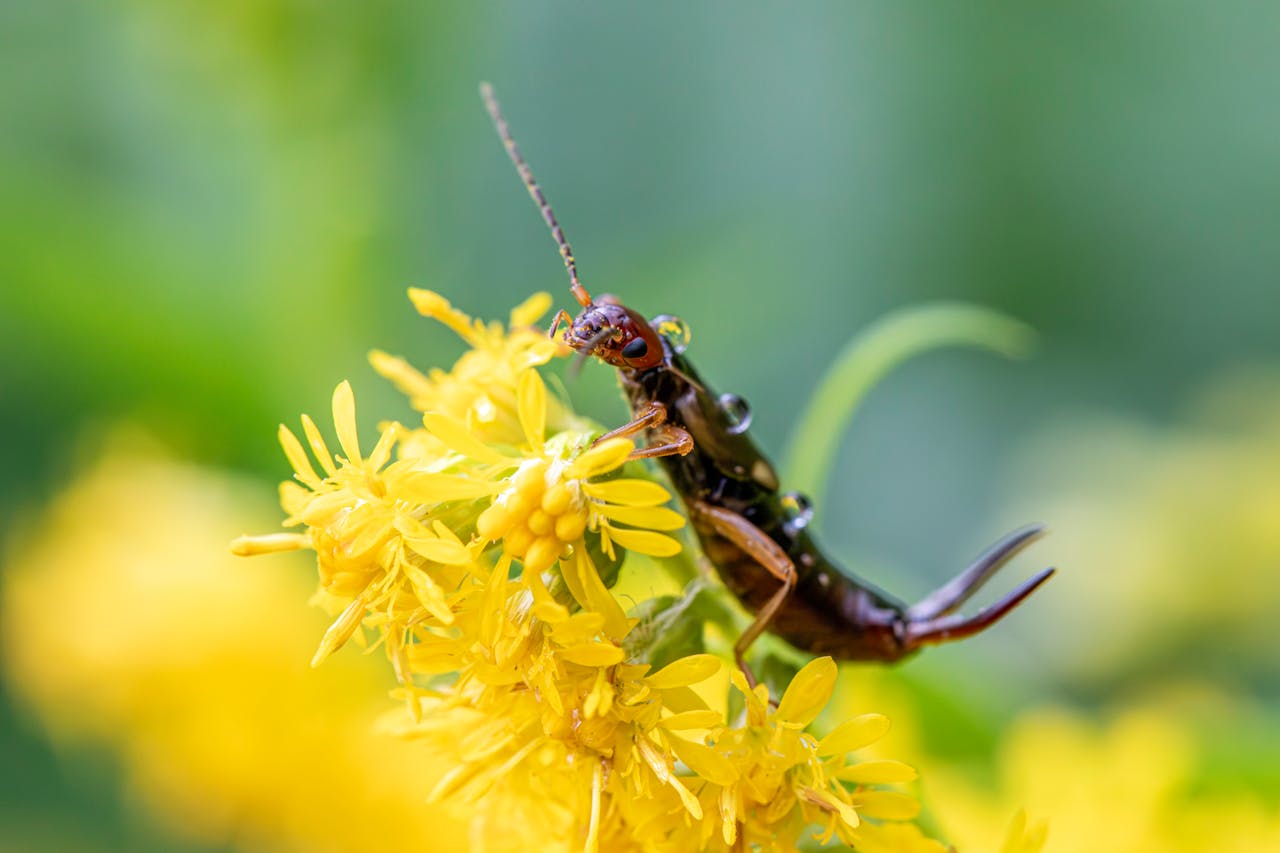
There is something dramatic about spotting an earwig curled up in a leaf, pincers poised like it just stepped out of a tiny action movie. These insects look intense, a little prehistoric, and maybe even a bit suspicious. But appearances rarely tell the whole story in a garden, and earwigs prove that better than most. They don’t just lurk in the shadows waiting to cause chaos; they move through the ecosystem with purpose, sometimes helping more than they hurt.
Gardeners often rush to judgment the moment they see one, but that snap decision misses a much bigger picture. Earwigs operate as both cleanup crew and occasional troublemaker, depending on conditions, timing, and sheer numbers. Knowing what they actually do opens the door to smarter gardening choices, fewer unnecessary interventions, and a healthier outdoor space overall. Instead of declaring them enemies right away, it pays to know their habits, their benefits, and the tipping point where things start to go sideways.













