
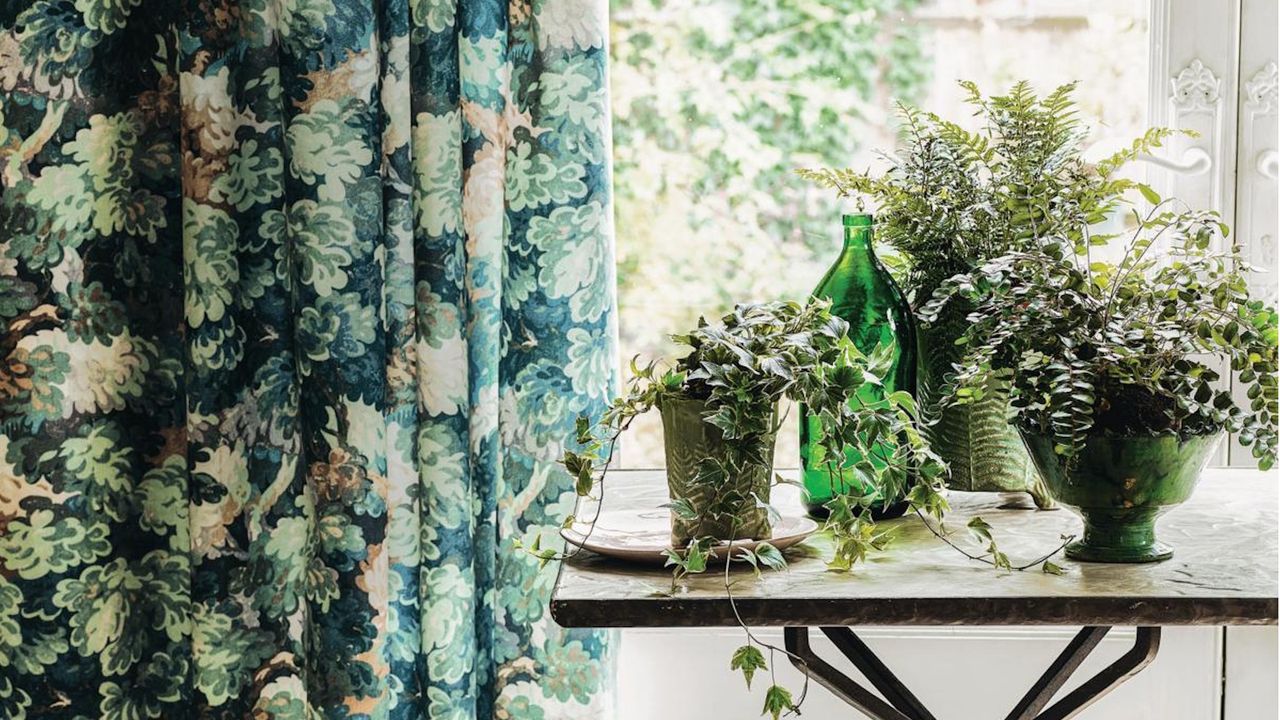
While it may seem counterintuitive to try and propagate plants during the winter months, there are actually several houseplant cuttings to take in February that can root just fine and will soon leave you with a beautiful new plant.
Of course, not all indoor plants will fare well as cuttings during less optimal conditions, but there are plenty that will root even while daylight is limited and room temperatures are lower – especially when you use the likes of a grow light (like this one from Amazon) for support.

From rubber plants to jade plants, there's a whole host of easy houseplants to grow from cuttings to start this month. Here, experts share their top seven picks, so you can double the size of your indoor garden by mid-spring.

7 Houseplant Cuttings to Take in February
You'll be surprised to learn just how many easy houseplants to propagate in fall and winter there are.
These are often the fastest-growing cuttings, but likewise include those that take some time to root and benefit from an early start in February before the active growth season.
With indoor conditions being less optimal this month, don't forget to turn to the help of indoor growing systems to aid propagation.
This includes a seedling heat mat (like this from Walmart) which can boost heat levels and encourage root development.
1. Rubber Plant

If you missed the opportunity to take this houseplant cutting in January, you can still give it a go this month.
'To propagate a rubber plant, simply cut a 12" segment above a leaf node (using these houseplant pruning shears on Amazon) and plant it directly in soil with rooting hormone,' advises plant expert Lee Miller. 'You should keep the soil moist, but not overly wet,' she adds.
Rooting hormone is usually a powder (like this rooting hormone powder on Amazon) or gel that contains chemicals to replicate the hormones that trigger rooting. It lends a helping hand to the woodier, harder plants to propagate, like a rubber plant.
As Lee notes, take care not to overwater your cutting's soil. The lower temperatures of February make it more susceptible to rotting and eventual root rot.
Keep the cutting on a bright, sunny windowsill and roots should appear within three-four weeks. You can give the cutting a gentle pull to check for root development.
2. Fiddle Leaf Fig

It can seem daunting to propagate an fiddle leaf fig because it's an indoor tree, but Lee says it's far easier than you think and February is a great time to do it.
'Take a small cutting above a leaf node and root in water,' she says. 'Make sure to keep the water clean and roots should start to appear in a few months,' she adds.
You should take note of water propagation mistakes when propagating a fiddle leaf fig, like changing the water weekly to stop algae growth.
A seedling heat mat (available on Amazon) can be helpful here to boost warmth levels and encourage rooting, but propagating fiddle leaf fig does simply require a little patience as they're slow-growers.
'Fiddle leaf fig can also be rooted directly in soil with rooting hormone, but I have found the water method to be more productive,' Lee notes.
3. Christmas Cactus

February is a great time to start propagating your Christmas cactus, especially after it has finished blooming. This marks the beginning of its active growth phase, which you can take advantage of to root cuttings.
'Pinch off two-three leaf segments and allow the cutting to lay out for 24 hours to cure. Then plant the cutting in soil with rooting medium,' Lee says.
A succulent potting mix (like this Miracle-Gro succulent potting mix at Walmart) is a good medium to use for these houseplants because it's well-draining and nutrient-rich.
Keep the cuttings in a well-lit spot and keep the soil slightly moistened but not soggy.
It'll take a couple of years until your plant is mature enough to bloom, but you'll soon have an extra Christmas cactus to keep in the dark in fall, ready to trigger blooming during the holiday season.
4. Jade Plant

Just like Christmas cactus, jade plant is a succulent that you can take cuttings from in February. They don't demand lots of water, making them ideal for the dry air conditions of late winter.
To propagate your jade plant, Julia Omelchenko, botany expert for the Plantum app, says there are just a few steps to follow.
'You can either use leaf cuttings or take a stem cutting, removing the lower leaves,' Julia describes.
'Let it sit out for a few days so the cut end dries and develops a callus,' she adds.
This is important for succulents in particular, where the cutting creates a protective layer to stop it rotting in the soil.
'Then plant the cutting in a well-draining medium, such as perlite (from Amazon), expanded clay pebbles, or a potting mix formulated for succulents.
'Because succulents root more slowly in low light, it’s necessary to place the cutting in a bright spot or use a grow light,' Julia adds.
Grow lights put out full spectrum lighting to support plant growth, particularly useful in winter conditions when daylight is limited. I personally like this bamboo grow light from Amazon, combining functionality with aesthetics to seamlessly fit into interiors.
Water the cutting moderately and roots should appear within six weeks.
5. Golden Pothos

As room temperatures just start to warm up at the end of winter, it's a great time to propagate vines. You can take cuttings from your golden pothos for this reason.
'It's easy to propagate golden pothos in February,' says Julia.
'To get started, choose a healthy stem cutting with at least one leaf node. For faster results, it’s best to pick a cutting with emerging aerial roots, which appear as brown bumps along the stem,' she says.
Water propagation is often the preferred method with pothos cuttings because they root quickly. Plus, they release a natural rooting hormone, so popping them in the same vessel as other cuttings will help speed up houseplant propagation.
'At an average room temperature, the cutting should develop roots within a few weeks. To enjoy a dense, lush plant from the start, root several cuttings at once and pot them together,' Julia advises.
You may want to opt for a propagation station (like this beaker-style one on Amazon) to observe root growth and turn your cuttings into a green spectacle for the home.
6. African Violet

As February marks the start of a new growing season for African violets, it's a great time to prepare cuttings for growth.
'You can propagate African violets in late winter via leaf cuttings,' says Julia.
'Choose a firm, healthy leaf and carefully remove it from the mother plant. Trim the leaf stalk (petiole) at a 45º angle, leaving about 2" below the leaf.
'You should then place the cutting in a small container with water, but avoid submerging the leaf blade itself to prevent rot,' she advises.
It's also possible to root leaf cuttings in potting mix, once again avoiding the leaf becoming buried.
Keep the cuttings somewhere warm and bright to encourage rooting, and increase humidity for these indoor plants as they grow bigger – African violets thrive in levels between 50-60%.
You can use a plant mister (like this pretty glass one from Wayfair) to boost humidity levels, or place your African violets on a pebble humidity tray (from Amazon) for a more low-effort approach.
7. Heartleaf Philodendron

Another indoor hanging plant to take cuttings from this month is heartleaf philodendron.
'February is a great time to propagate this plant as long as you can keep the cuttings in a warm spot with bright, filtered light,' Julia says.
'To propagate your philodendron, take a stem piece about 3-6" long and remove the lower leaves to ensure they don't rot in the potting mix or water,' she advises.
As Julia notes, you can root heartleaf philodendron cuttings either in water or potting soil. Both are just as reliable when it comes to this vine.
'When rooting in soil, go for a porous, well-draining medium and keep it consistently moist,' Julia suggests.
A standard all-purpose houseplant potting soil (like this from Lowe's) will suffice for rooting these cuttings.
Just like golden pothos, your heartleaf philodendron cuttings will root more easily if you take a cutting with emerging aerial roots, identifiable as small bumps below a leaf node.
FAQs
Do Indoor Flowering Plants Bloom in the First Year?
When bought as a mature houseplant, it is likely that indoor flowering plants will bloom in their first year. But, if grown from cuttings, your houseplant will likely need a couple of years to mature before flowering, depending on the species. For example, a Christmas cactus grown from cuttings won't bloom until it's 1-2 years old, yet an African violet can bloom in its first year, needing just 9-12 months to mature.
No matter when you decide to take houseplant cuttings, you should always take care to avoid common houseplant propagation mistakes that can set your efforts back.
Shop Houseplant Propagation Accessories
This bamboo grow light brings a warm feeling to interiors while supporting plant growth. It has an automatic timer for 8, 12, and 16 hours.