
Get all your news in one place.
100's of premium titles.
One app.
Start reading
Frugal Gardening
Frugal Gardening
Brandon Marcus

7 Garden Plants You Should Stop Spending Money On Every Year

7 Garden Plants You Should Stop Spending Money On Every Year
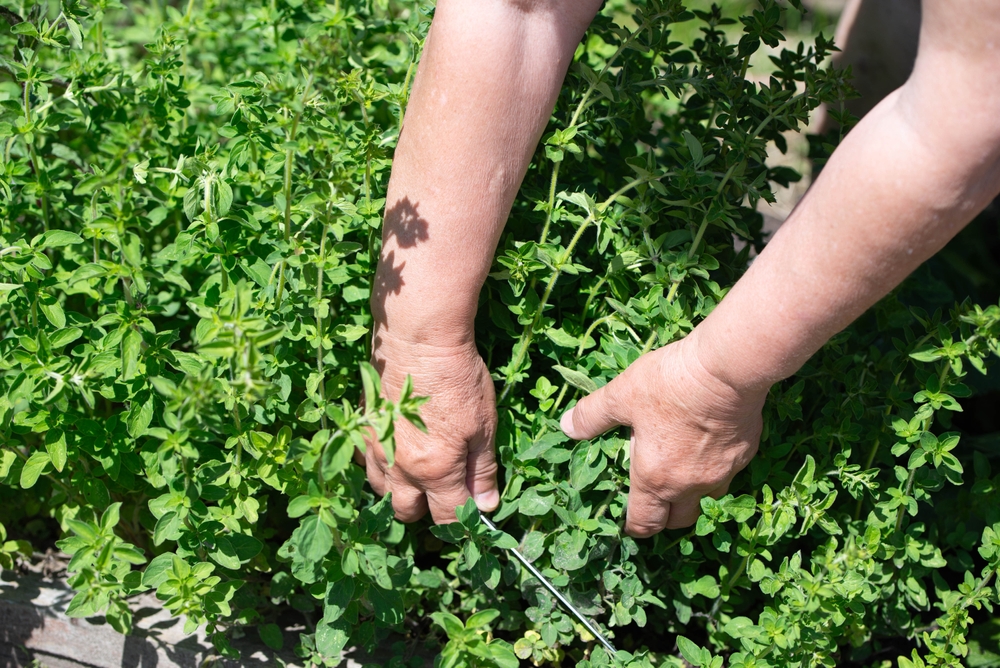
Perennial herbs such as chives, oregano, thyme, sage, mint, and lemon balm can return each year, while marigolds can provide free seed for another growing season – Shutterstock

Garden centers make it dangerously easy to buy the same plants every spring, even when several reliable garden favorites can keep coming back without another trip to the checkout counter. A handful of herbs and ornamentals can return for years, spread naturally, or produce enough new plants to make that annual shopping habit look a little silly.

That does not mean every plant belongs in every garden, because climate, soil, sunlight, and winter temperatures still matter. The good news involves a simple shift in strategy: choose plants that return on their own or learn a few easy propagation tricks, and the garden can start producing some of its own replacements.

1. Chives

Chives deserve a permanent spot in the garden because these hardy perennial herbs return each spring with fresh, oniony leaves. Once established, they form tidy clumps that gradually expand, giving gardeners more plants without another annual purchase.

When a clump gets crowded, dig it up in spring or early fall and divide the roots into smaller sections. Replant those divisions at the same depth, water them well, and suddenly one plant can supply several new clumps for the garden, containers, or a friend’s yard.

2. Oregano

Oregano ranks among the easiest herbs to keep around, particularly when the garden provides full sun and well-drained soil. Many perennial oregano varieties return each year and spread outward as their stems grow across the soil.

A crowded plant offers an easy propagation opportunity because gardeners can divide the root ball or root stem cuttings in suitable conditions. Regular harvesting also keeps oregano compact, so there is little reason to replace a healthy plant simply because another growing season has arrived.

3. Thyme

Thyme brings another money-saving trick to the herb garden because many thyme varieties remain perennial and tolerate dry, lean conditions once they establish strong roots. Its low-growing habit also makes it useful along pathways, garden edges, and other spots where taller herbs might flop around.

Rooted stem cuttings can create new thyme plants, while division works well for larger clumps. Choose a healthy section with roots attached, replant it in sharply drained soil, and avoid constantly wet conditions that can invite root problems.

4. Sage

Garden sage can stick around for years when it receives plenty of sunlight and grows in soil that drains efficiently. Unlike tender annual herbs, common culinary sage develops a woody base and can become a long-term fixture instead of a springtime replacement purchase.

Pruning helps keep older plants from becoming excessively woody, but timing matters because heavy cuts into old, leafless wood may not produce strong new growth. New plants can also come from stem cuttings, giving gardeners a straightforward way to replace an aging plant without buying another one.

5. Mint

Mint practically treats the phrase “come back next year” as a personal challenge, since established plants return reliably and spread aggressively through underground stems. That vigor makes mint an excellent candidate for saving money, although it also makes mint one of the few plants on this list that deserves a containment plan.

Growing mint in a container can prevent its roots from marching into neighboring beds, and gardeners can divide established plants when they need more. A small piece with healthy roots can quickly develop into a useful new plant, so purchasing fresh mint plants each season rarely makes financial sense.

6. Lemon Balm

Lemon balm offers another perennial herb that can return year after year, particularly in gardens with suitable growing conditions and enough sunlight. It also produces small seeds after flowering, and those seeds can create new plants when gardeners allow some flowers to mature.

That self-seeding habit can become generous, so deadhead the flowers if the plant starts colonizing places where it does not belong. Gardeners can also divide established clumps or take cuttings, turning one established plant into several without treating the garden center like a yearly subscription service.

7. Marigolds

Marigolds differ from the perennial herbs because most popular garden marigolds grow as annuals, but that does not mean gardeners need to buy fresh seed packets or starter plants every year. Allow some mature flower heads to dry on the plant, then collect the long, slender seeds and store them somewhere cool and dry for the next planting season.

Gardeners should choose open-pollinated varieties when saving seed matters because saved seed from hybrids may not produce plants that match the parent. Letting a few flowers finish their life cycle also means sacrificing some blooms, but that small trade can supply a surprisingly useful stash of free seed for another season.

The Garden Can Pay You Back

The biggest savings often come from changing the way the garden gets stocked rather than simply searching for cheaper plants. Perennial herbs such as chives, oregano, thyme, sage, mint, and lemon balm can return from established roots, while plants such as marigolds can provide another season of seed.

Propagation does require a little patience, and not every cutting or division will succeed, so gardeners should start with healthy plants and use clean tools. Once the routine becomes familiar, however, the garden can supply divisions, cuttings, or seeds instead of demanding another cartful of replacements every spring.

Which garden plant has saved the most money in your yard by returning, reseeding, or producing new plants year after year?

You May Also Like…

5 Ways to Turn an Unused Corner Into a Perennial Food Patch

5 Ways to Build a Temporary Nursery Bed for Bargain Perennials

Why Do Some Garden Beds Stay Wet Long After a Storm?

8 Plants That Add Structure After Summer Flowers Begin Fading

Can Companion Planting Reduce Pest Damage Without Extra Spending?

The post 7 Garden Plants You Should Stop Spending Money On Every Year appeared first on Frugal Gardening.

Sign up to read this article
Read news from 100's of titles, curated specifically for you.
Already a member? Sign in here
Related Stories
Top stories on inkl right now
One subscription that gives you access to news from hundreds of sites
Already a member? Sign in here
Our Picks
Fourteen days free
Download the app
One app. One membership.
100+ trusted global sources.