
Japanese filmmaker Ishirō Honda was responsible for 46 different feature films in the 26 years he was active as a director, and although the original Godzilla is what he’s most known for, there’s a wealth of versatility and depth in his filmography overtaken by his most famous creation. He was a pioneer in the tokusatsu genre, a term referring to live-action Japanese films heavily contingent on special effects, but it wasn’t just his technical wizardry that made him such a massively influential and celebrated artist. Honda’s career was defined by an ability to marry astounding, forward-thinking technological advancement with genuinely thought-provoking material, creating films that were just as capable of leaving audiences awestruck and intellectually enriched.
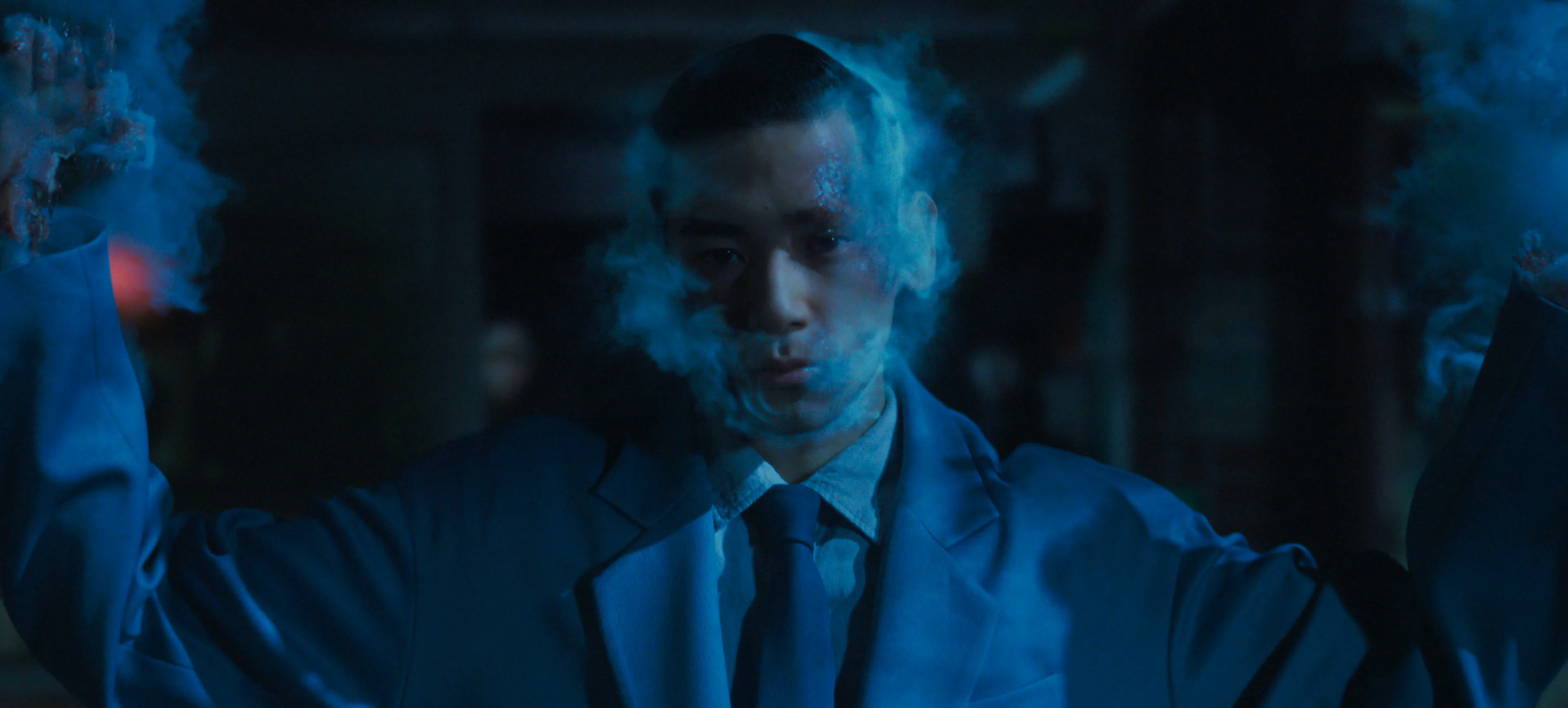
The nuclear horrors of Godzilla are a testament to this, but so was Honda’s work on his “Transforming Human” trilogy, a series of films linked together by the central concept of bodily mutation and metamorphosis. None of them achieved the level of fame as the King of Monsters, but the most well-known of the three is arguably The Human Vapor, a 1960s sci-fi crime thriller revolving around a bank robber with the inexplicable ability to transform into a gaseous state. As hokey as it sounds, it’s a movie that gained a cult following due to its surprisingly tragic core — and now, over six decades later, it’s been reimagined by Netflix as an eight-episode series that truly honors Honda’s thought-provoking, politically-minded approach to sci-fi entertainment.