Get all your news in one place.
100's of premium titles.
One app.
Start reading
Livingetc
Livingetc
Annalise Smith

6 Tricks for Keeping Your Indoor Plants Alive and Looking Well During a Heatwave, According to a Horticulture Expert

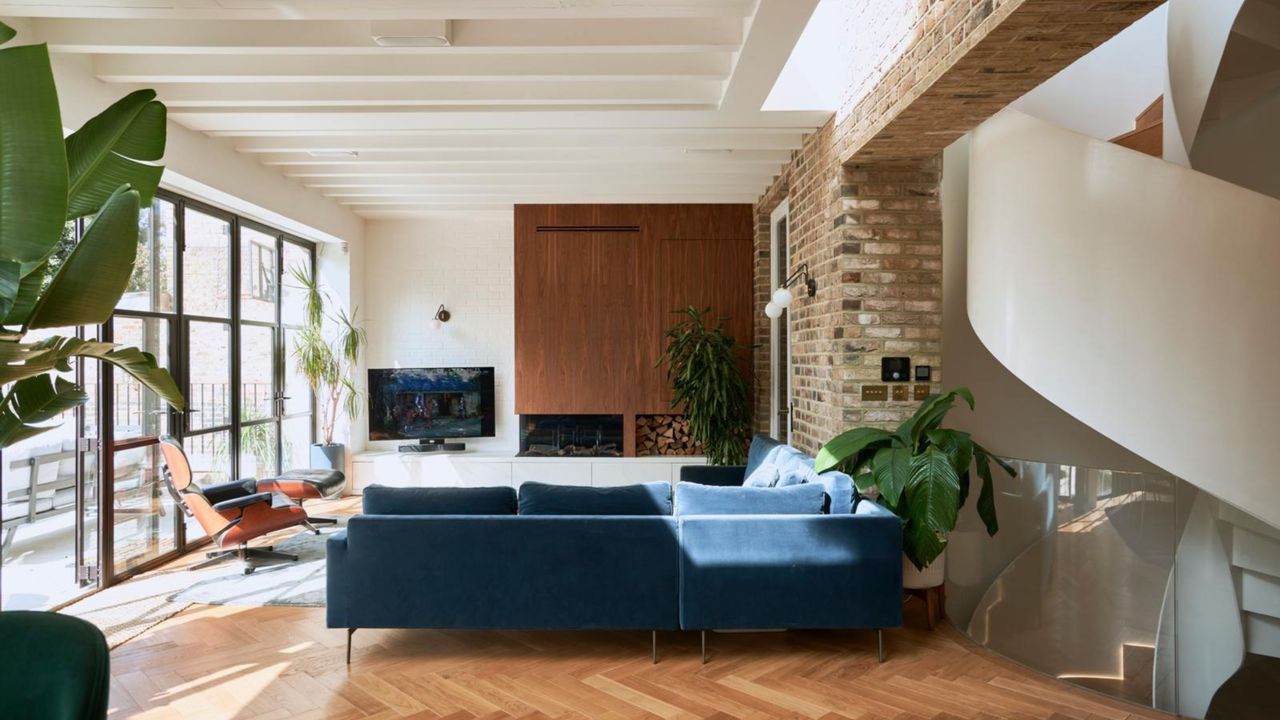
Modern living room with blue sofa, spiral staircase, herringbone floors, a potted plant in the foreground, and two by the TV, with an armchair near the floor-to-ceiling windows.

Whilst hydrating regularly might bring us relief, houseplants are typically fussier. Add the complication of a serious heatwave into the mix, and things get even trickier: too much water, and they'll turn yellow, too little, and they'll shrivel, turn brown, and maybe even die.

Setting a fixed watering schedule helps track when and how often to water houseplants. When temperatures peak, though, you'll need to adjust, says Monique Kemperman, a horticulture expert at Plants & Flowers Foundation Holland. "Prioritize watering according to a plant’s needs," she adds. "Plants often need extra water during hot weather, but daily watering is not always necessary."

Without proper care, they’re at risk of sunburns, overwatering, and wilting — and none of that looks good. So, to prevent the dreaded droop, here are Monique's six top tips for keeping your plants looking good during a heatwave.

1. Water Early in the Morning

Patch Plants' range is too pretty to let it shrivel up during a heatwave. (Image credit: Patch Plants)

Just as breakfast is our most important meal of the day, the same goes for plants. "Watering early allows plants to absorb moisture before the hottest part of the day, when heat increases water loss from both the soil and the leaves," says Monique. "Plants that start the day well hydrated are better equipped to cope with high temperatures."

But, contrary to our own habits, plants don’t need a top-up of water when the heat has peaked. "Watering during the hottest hours can be less effective because moisture evaporates more quickly," says Monique. "Plants may still become stressed later in the day, even if they have been watered."

Watering later in the evening is the next best option, according to Monique. “However, avoid leaving plants sitting in water overnight, as consistently soggy roots can encourage root rot," she adds.

To stop you from forgetting to water your houseplants before you head out in the morning, keep your gardening accessories, like a watering can, somewhere nearby. And sometimes, even throwing a few ice cubes on the soil can be better, slowly watering your plants as it melts, rather than drenching them.

2. Check the Soil

Knowing where to put a Chinese money plant won't just help it during a heatwave, but can actually bring prosperity, according to Feng Shui. (Image credit: Patch Plants)

You’ve probably got rooms that feel hotter than others. That makes a difference in whether or not your plant needs more water. “Indoor conditions vary significantly,” says Monique. “Air-conditioned rooms, shaded rooms, and larger pots may retain moisture for much longer than expected.”

So how do we know if our houseplants are ready for another dose of water? Start by checking the soil. “Soil moisture is a more reliable indicator than the calendar,” says Monique. “Check below the surface rather than relying solely on how the top layer looks. The soil surface can dry quickly while the root zone remains adequately moist. Lifting the pot can also help — dry pots are noticeably lighter than freshly watered ones.”

If you’re not careful, you could overwater your plants. “Overwatering can deprive roots of oxygen, leading to yellowing leaves, root rot, fungus gnats, and weakened growth,” says Monique. “In many cases, overwatering causes symptoms that are mistaken for drought stress, leading people to add even more water.”

Want to make your houseplant feel extra lush during the heat? There are plenty of soil covers that not only look good but also help retain moisture and prevent rotting when overwatered.

3. Know the Signs

The sooner you address signs of heat stress, the more likely your plant is to recover. (Image credit: LALA Reimagined)

If you know the signs of heat stress, you'll be able to respond more promptly to your plants. If they're starting to wilt, they might be feeling tired of the heat. That won't always be the case for succulents and cacti though, but even sun-loving plants have their limits.

“High temperatures can overwhelm a plant's ability to regulate moisture, particularly if combined with strong sunlight,” says Monique. “Prolonged heat stress can lead to scorched leaves, leaf drop, stunted growth, and slower recovery once temperatures return to normal.”

To prevent this, “moving stressed plants to a cooler location reduces the demand on the plant while it recovers,” she says. A spot of pruning also helps your plants stay standing. “Removing dead or badly damaged foliage helps the plant redirect energy to healthy growth. However, avoid heavy pruning during a heatwave, as plants need as much healthy leaf surface as possible to produce energy,” she says.

4. Increase Humidity Around Tropical Plants

Tropical plants (like this Pineapple Rosita from Patch Plants) enjoy the humidity of a bathroom, especially while you shower. (Image credit: Patch Plants)

While you might not love it, tropical houseplants thrive in humidity. “Many popular houseplants, such as monsteras, calatheas, and ferns, struggle more with dry air than with heat itself," says Monique. So, "Grouping plants or placing them on a pebble tray [like this one from Etsy] with water nearby can help raise local humidity levels.”

And on days that are particularly dry, make sure to watch out for “brown leaf edges, crispy tips, and curling leaves,” she warns — these are the first indications of dry air.

5. Move Plants Away From Windows

While plants look fabulous hung over windows, when it's extra hot, it's best to move them to somewhere cooler. (Image credit: TheJoyofPlants)

While there are plenty of indoor plants that create shade and look beautiful in front of a window, during a heatwave, you want to watch out for “bleached patches, brown scorch marks, or leaves that suddenly wilt despite moist soil,” says Monique.

“A plant that thrives in a sunny window during spring may find the same position too intense during a heatwave,” she adds. “Glass can magnify heat and create temperatures much higher than the surrounding room.”

That's not to say you have to shut them in a dark room, but a spot that still provides indirect light but isn’t directly facing the sun is ideal. In fact, if you want to go one better, move your houseplants to a well ventilated bathroom. Modern bathrooms tend to not have too much sunlight blazing into them anyway, and the moisture and humidity from any showers you will take will create a better environment for your plant.

6. Avoid Fertilizer

It may seem helpful to 'feed' your plants when they're struggling, but often, it can be too much pressure, and it's best to avoid. (Image credit: LALA Reimagined)

Huge, luscious leaves that grow in abundance are every plant owner's dream. That said, during a heatwave is not the time to fertilize a houseplant — it adds too much extra workload when the plant may already be struggling in the heat.

“Heat-stressed plants are focused on survival rather than growth, and fertiliser can place additional demands on roots and may increase stress,” says Monique. “Wait until temperatures return to normal and plants show signs of active growth again.”


Depending on the plants you've decorated your house with, the needs will ultimately be unique. “Different plants have different needs, so monitor them more closely during hot weather," says Monique. "Smaller pots dry out faster, while leafy tropical plants generally require more moisture than succulents.”

And sometimes, the heat will get the better of our houseplants despite our best efforts to keep them cool. If that happens, some experts say Aspirin can help plants in the heat, but only as a last resort.

For more inspiration and advice for keeping your home looking good, subscribe to Livingetc's newsletter.

John Lewis Glass Watering Can Burgon & Ball Indoor Watering Can in Olive Oliver Bonas Fish Blue & Red Watering Can VGOODALL Mixed Colour Pebbles for Plants Berry&Bird Wooden Handle Floral Shears RosebudHomeGoods Humidity Pebble Tray for Houseplants
Sign up to read this article
Read news from 100's of titles, curated specifically for you.
Already a member? Sign in here
Related Stories
Top stories on inkl right now
One subscription that gives you access to news from hundreds of sites
Already a member? Sign in here
Our Picks
Fourteen days free
Download the app
One app. One membership.
100+ trusted global sources.