
Get all your news in one place.
100’s of premium titles.
One app.
Start reading
Times Life
Times Life
Nidhi

6 Shakti Peethas That Are Older Than Most Hindu Temples

Long before temple architecture became grand, regulated, and sculpted into stone, Hindu spirituality was lived through forests, hills, rivers, caves, fire, and memory. The Shakti Peethas belong to that earliest layer of belief. These are not just temples but power points where the Divine Feminine was experienced directly, often without idols, walls, or roofs.

According to Shakta tradition, Shakti Peethas emerged after the fall of Goddess Sati’s body, when fragments sanctified the land itself. What is striking is that many of these sites were worshipped centuries before formal Hindu temples came into existence. They represent a time when faith was intuitive, raw, and deeply connected to nature and the human body.
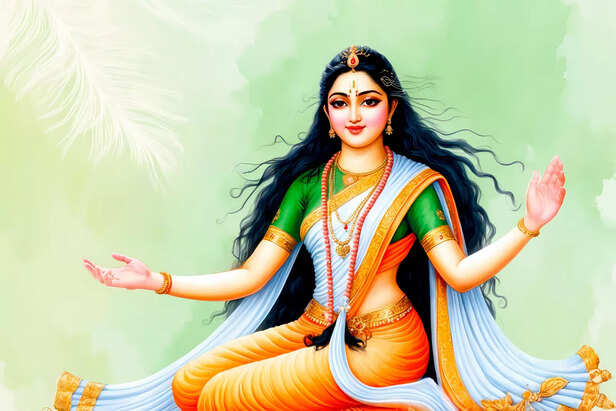
1. When the Goddess Was Worshipped Before Temples Existed

Hindu temples associated with wealth blessings
Indian shrines where faith is believed to attract wealth

The earliest Shakti Peethas were not constructed spaces. They were discovered spaces. Hills, caves, flames, riverbanks, and forest clearings where people felt an overwhelming presence. Worship began here long before shikharas, mandapas, or idols.

This is why many Shakti Peethas still retain non-iconic forms of worship. No sculpted deity, no elaborate sanctum, only the belief that energy itself is divine. These sites reflect a phase of Hinduism that existed before institutional religion, when spirituality was experienced rather than explained.

Shakti Peethas are reminders that faith did not begin with architecture. Architecture followed faith.

2. Where the Earth Itself Is the Deity: Kamakhya Temple

Kamakhya represents one of the most ancient forms of goddess worship still practiced today. There is no idol in the sanctum. The goddess is worshipped through a natural rock fissure that fills with water from an underground spring.

This form of worship connects directly to fertility, menstruation, and the life cycle, concepts that modern religion often avoids but ancient spirituality embraced openly. The annual Ambubachi observance, marking the goddess’s menstrual cycle, preserves a worldview that predates classical temple rituals by centuries.

Kamakhya’s antiquity lies in its unapologetic grounding in nature and the human body, making it older in spirit than most temple traditions.

3. A Goddess Older Than the City Around Her: Kalighat Temple

Kolkata, Jan 13 (ANI): Pilgrims stand in queue at Kalighat Temple, in Kolkata on...
Kolkata, Jan 13 (ANI): Pilgrims stand in queue at Kalighat Temple, in Kolkata on Tuesday. (ANI Photo)

Kalighat was sacred long before Kolkata existed. Early worship here took place near an ancient channel of the Ganga, in open spaces associated with cremation grounds and folk rituals.

The goddess was revered as Kali, not as a benevolent mother figure, but as a fierce force who destroys illusion, ego, and fear. This aligns with early Tantric traditions that challenged social hierarchies and ritual purity.

The present temple structure is relatively recent, but the spiritual identity of Kalighat belongs to a much older era when goddess worship was intense, direct, and transformative.

4. Fire as the Living Form of the Goddess: Jwalamukhi Temple

At Jwalamukhi, the goddess is not seen. She burns. Natural flames emerge from the rock and have been worshipped for centuries without interruption. There is no idol because fire itself is the deity.

Fire worship predates organized religion across civilizations, and Jwalamukhi preserves this ancient human instinct within Hinduism. The later temple structure only formalized an already sacred phenomenon.

This Peetha reminds us that some forms of worship are older than language, older than scripture, rooted in humanity’s earliest encounter with the elements.

5. A Cave Shrine That Survived Empires: Hinglaj Mata Temple

Hinglaj Mata exists in one of the harshest landscapes of the subcontinent, inside a natural cave. There is no idol, no grand temple, only the belief that the goddess resides within the mountain itself.

Ancient pilgrimage traditions suggest that Hinglaj was revered by traders, nomads, and ascetics long before formal Hindu kingdoms shaped religious institutions. The continuity of worship here, despite changing political and cultural landscapes, speaks to its deep antiquity.

Hinglaj represents a time when devotion required endurance, not convenience.

6. When the Goddess Was the Guardian of Kashi: Vishalakshi Temple

Before Kashi became synonymous with Shiva, it was a city of the goddess. Vishalakshi is believed to be one of the earliest divine presences of Varanasi, associated with protection, vision, and cosmic awareness.

Local traditions and scriptural references suggest that goddess worship formed the spiritual foundation of the city. Shiva’s prominence came later, layered over an already existing Shakta geography.

This Peetha reflects how ancient Indian cities often grew around goddess shrines, not male deities.

7. A Peetha That Shaped Language and Learning: Sharada Peeth

9 forms of Devi Durga

Sharada Peeth was more than a shrine. It was a center of knowledge, debate, and spiritual authority. Scholars from across the subcontinent once traveled here, and the Sharada script itself emerged from this sacred geography.

The sanctity of Sharada Peeth is believed to predate its role as an intellectual institution. It likely began as an ancient goddess site that later evolved into one of India’s earliest centers of learning.

Here, Shakti was not only power but wisdom itself.

Sign up to read this article
Read news from 100’s of titles, curated specifically for you.
Already a member? Sign in here
Related Stories
Top stories on inkl right now
One subscription that gives you access to news from hundreds of sites
Already a member? Sign in here
Our Picks
Fourteen days free
Download the app
One app. One membership.
100+ trusted global sources.