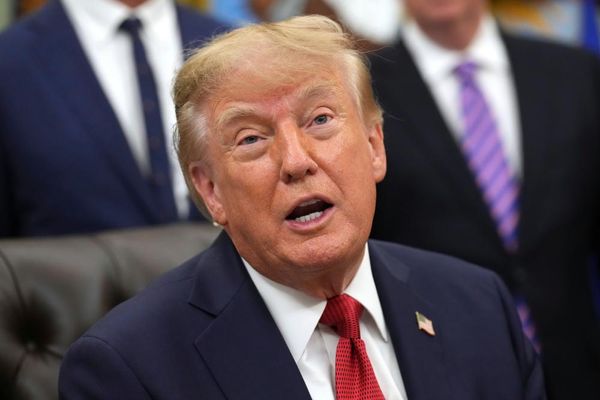
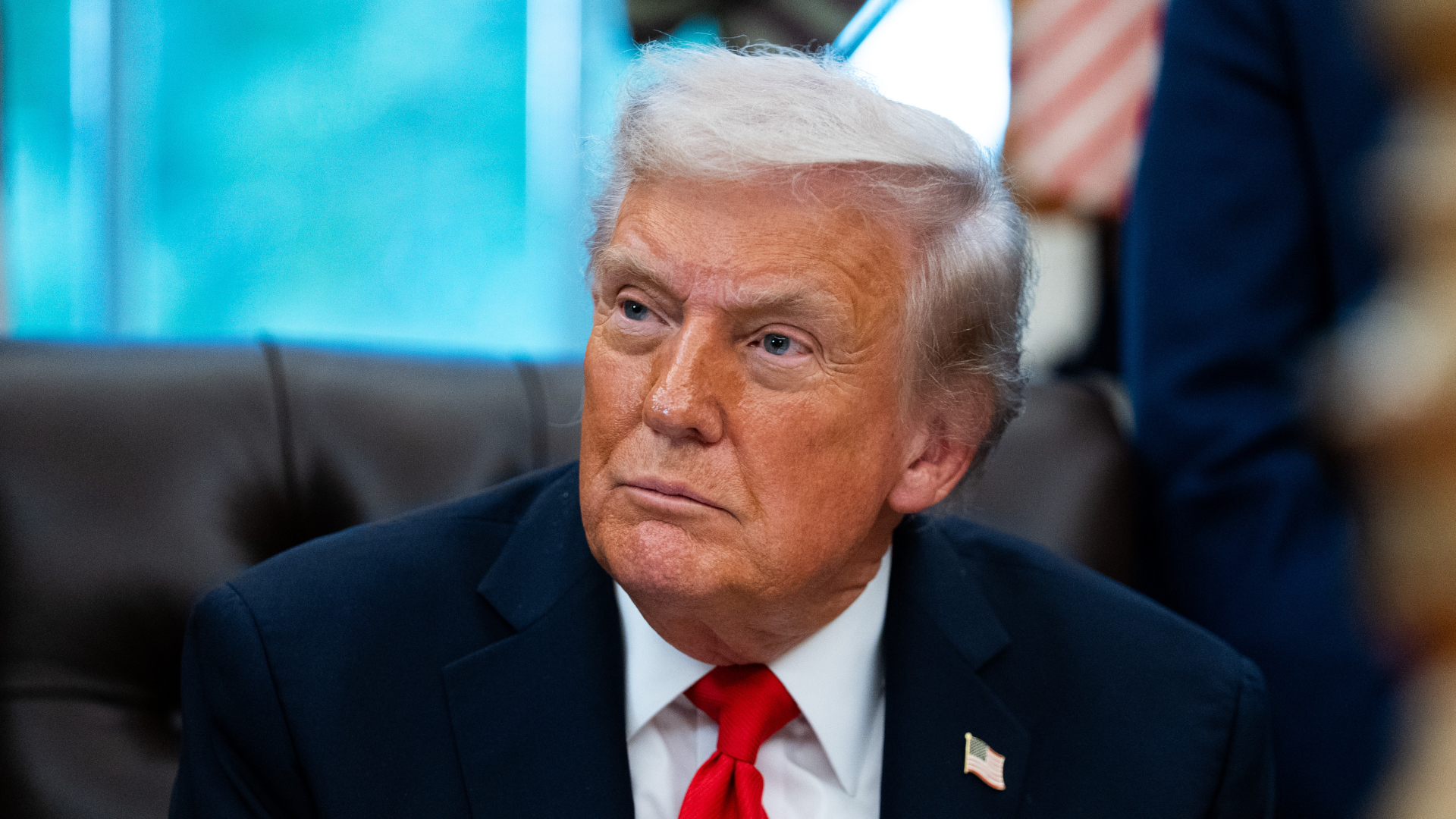
President Donald Trump has proposed sending Americans a $2,000 “tariff dividend” funded by revenue from new and expanded tariffs on imported goods.
Read More: Trump Said He’d Lower Grocery Prices on Day 1 — See Where They Stand Now
Find Out: How Middle-Class Earners Are Quietly Becoming Millionaires — and How You Can, Too
The idea has generated interest and confusion because many of the key details aren’t settled yet. Here are six key things to know about Trump’s $2,000 tariff dividend checks.
1. They Would Come From Tariff Money, Not Tax Dollars
Trump’s proposal would use revenue collected at the border from tariffs on imported goods. The more the U.S. collects, the more money would likely be available for the checks.
Check Out: 5 Ways Trump’s ‘Big, Beautiful Bill’ Could Impact Your Wallet
2. Not Everyone Would Qualify
In his Truth Social post, Trump said the $2,000 checks would go to everyone, “not including high-income people.”
Early discussions point to a possible income cap around $100,000. Treasury Secretary Scott Bessent told Fox News’ “Fox and Friends” program the payments would likely target households earning less than $100,000, although no final decisions have been made, according to Reuters.
3. There May Not Be Enough Money To Cover Every Eligible Household
While the $2,000 checks would go to low- and middle-income households, there might not be enough money to go around.
According to Alex Durante in an op-ed for the Los Angeles Daily News, Trump’s proposal faces an inherent funding shortfall.
“There are roughly 150 million Americans earning under $100,000 a year, meaning at a minimum this policy would cost $300 billion,” Durante said. “Nearly $90 billion off from what he would need to cover the costs.”
4. Congress May Need To Sign Off
Even with presidential support, a nationwide payment program typically requires congressional approval. Experts said Congress has already passed a large federal spending plan this year, making additional funding a tougher sell.
“Convincing 217 members of the House and 50-60 Senators to further increase that amount is an uphill battle, to put it mildly,” said Sarah E. Adkisson, JD, LL.M, tax director at Eisner Advisory Group LLC.
5. Tariffs Face Legal Uncertainty in the Supreme Court
The administration’s tariff authority is currently being reviewed by the U.S. Supreme Court. The court’s ruling could affect how much tariff revenue is available to fund checks or whether the plan can move forward at all.
“Even in the best of circumstances, I wouldn’t expect any movement in legislation until after the Supreme Court rules on the tariffs,” Adkisson said. “And if that ruling goes against the government, this idea is almost certainly dead in the water.”
6. Any Possible Payments Would Likely Be in 2026
President Trump has said the checks could arrive by “mid-2026,” but legal questions, congressional action and administrative setup could push the timeline further out.
Editor’s note on political coverage: GOBankingRates is nonpartisan and strives to cover all aspects of the economy objectively and present balanced reports on politically focused finance stories. You can find more coverage of this topic on GOBankingRates.com.
More From GOBankingRates
- 5 Luxury SUVs That Will Have Massive Price Drops in Fall 2025
- 11 Best Thanksgiving Items To Buy at Dollar Tree Before They Sell Out
- 6 Clever Ways to Pocket an Extra $1K This Month
- 6 Safe Accounts Proven to Grow Your Money Up to 13x Faster
This article originally appeared on GOBankingRates.com: 6 Key Things To Know About Trump’s $2K Tariff Dividend Checks