
Get all your news in one place.
100’s of premium titles.
One app.
Start reading
GOBankingRates
GOBankingRates
Rebekah Evans

6 Chef-Approved Whole Foods Grocery Items to Beat Inflation

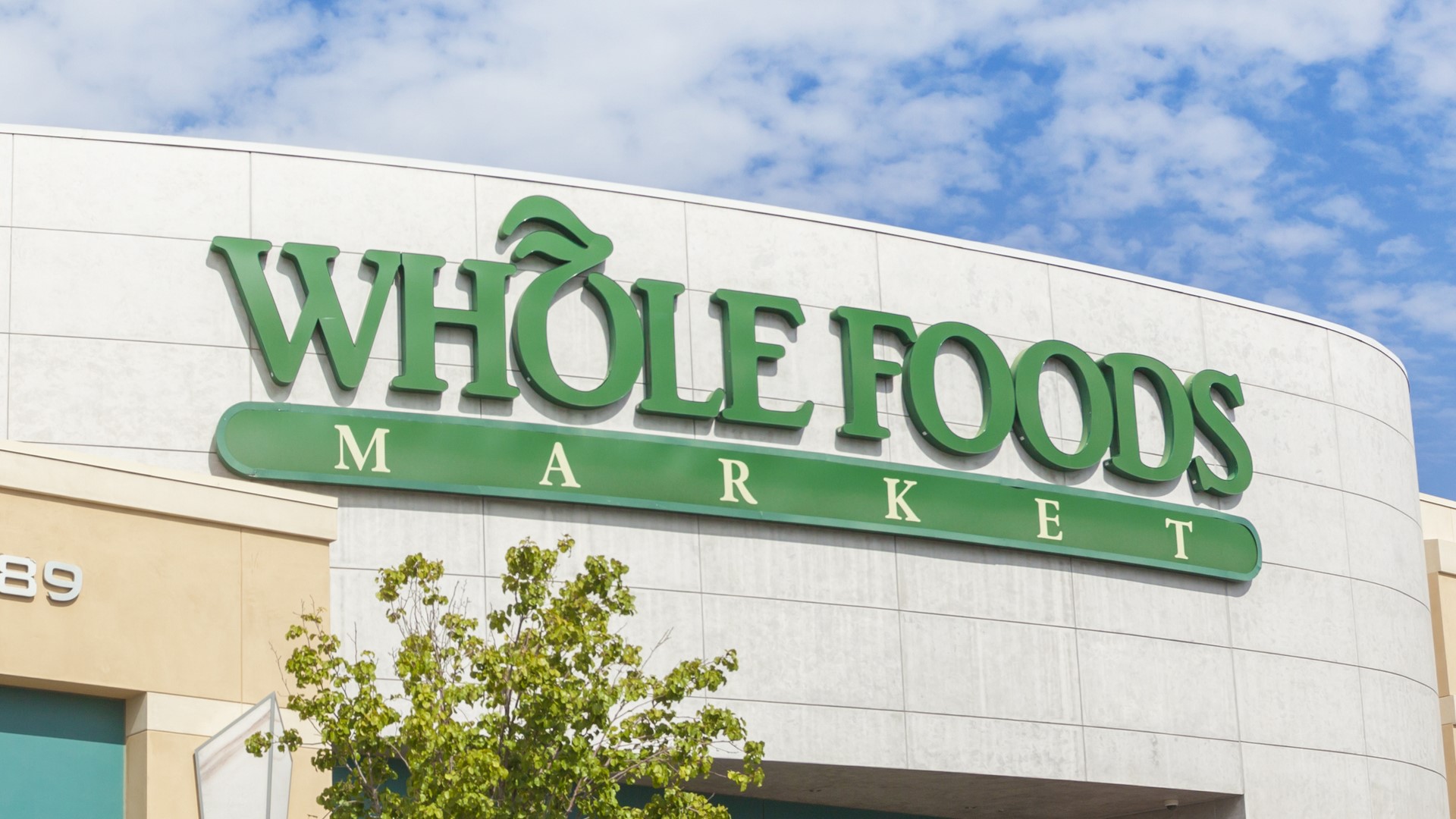
LPETTET / iStock.com

Grocery inflation is very real. The cost of food rose by a record-high 11.4% in 2022, and while costs have evened out since then, they still increased by an average of 3.1% in the 12 months ending in September 2025.

Read More: 10 Genius Things Warren Buffett Says To Do With Your Money

Find Out: How Middle-Class Earners Are Quietly Becoming Millionaires — and How You Can, Too

Whole Foods might not be the cheapest place to buy groceries, but you’d be surprised at what you can find on a budget.

“When I shop at Whole Foods on a budget, I focus on items that are versatile, nutritious, and a good value,” said Shawna Clark, founder chef at Healthy Foodie Girl.

And if you’re wondering what to buy, look no further. These are the top chef-approved grocery items at Whole Foods to beat inflation.

1. Whole Grains

Whole grains are one of Clark’s top picks, including brown rice, farro and quinoa.

Some reasonably priced options include:

“Bulk bins are a great way to save money,” Clark said.

Try This: 5 Affordable Costco Frozen Foods Shoppers Rave About

2. Canned and Dry Beans

Another versatile, long-lasting option is canned and dry beans. Specific options include:

Check out the weekly deals at Whole Foods and try to time your shopping around those. As long as you know you’ll use them, you can get them while they’re on sale and save them for later.

3. Frozen Fruits and Vegetables

Fruits and veggies are an essential part of a well-rounded diet. But frozen options are often cheaper than their fresh counterparts.

“Just as nutritious as fresh, lasts longer, great for smoothies, soups, or stir-fries,” Clark said.

As for what to get, it depends on what’s on sale, the recipes you’re making and your nutritional needs. Most frozen produce at Whole Foods costs around $3 to $4 for 10- to 16-ounce bags. This is about on par with similar grocers like Wegmans, though you might find lower prices at stores like Walmart.

5. Seasonal Produce and Fresh Items

If frozen vegetables and fruits aren’t your thing, or if you want to splurge a little, you can always go fresh. Clark suggested sticking with in-season produce, though.

In-season fruits and veggies are often priced lower than out-of-season produce. This isn’t always the case, though, so plan your shopping around those deals.

6. Different Stocks

Clark also suggested 365 brand chicken, vegetable and beef stocks — typically $2.79 per container.

She said these stocks are essential for soups and cooking grains.

Other 365 Brand Groceries

Clark also said she goes for Whole Foods’ 365 Everyday Value groceries. These tend to be less expensive than their name-brand counterparts.

Examples include:

  • Canned beans (around $1.39 per 15-ounce can vs. $1.49 at Harris Teeter)
  • Frozen fish (pricing varies, so look for discounts)
  • Rotisserie chicken (pricing and availability vary by location)
  • Olive oil ($10.99 per 16.9-ounce bottle vs. $14.49 at Thrive Market)
  • 80-ounce bag of all-purpose flour for $3.49 ($5.59 at Target)

Besides looking for weekly sales, Clark also said to stock up on staples to save.

Editor’s note: Prices and availability are accurate as of Dec. 10, 2025, and are subject to change.

More From GOBankingRates

This article originally appeared on GOBankingRates.com: 6 Chef-Approved Whole Foods Grocery Items to Beat Inflation

Sign up to read this article
Read news from 100’s of titles, curated specifically for you.
Already a member? Sign in here
Related Stories
Top stories on inkl right now
One subscription that gives you access to news from hundreds of sites
Already a member? Sign in here
Our Picks
Fourteen days free
Download the app
One app. One membership.
100+ trusted global sources.







