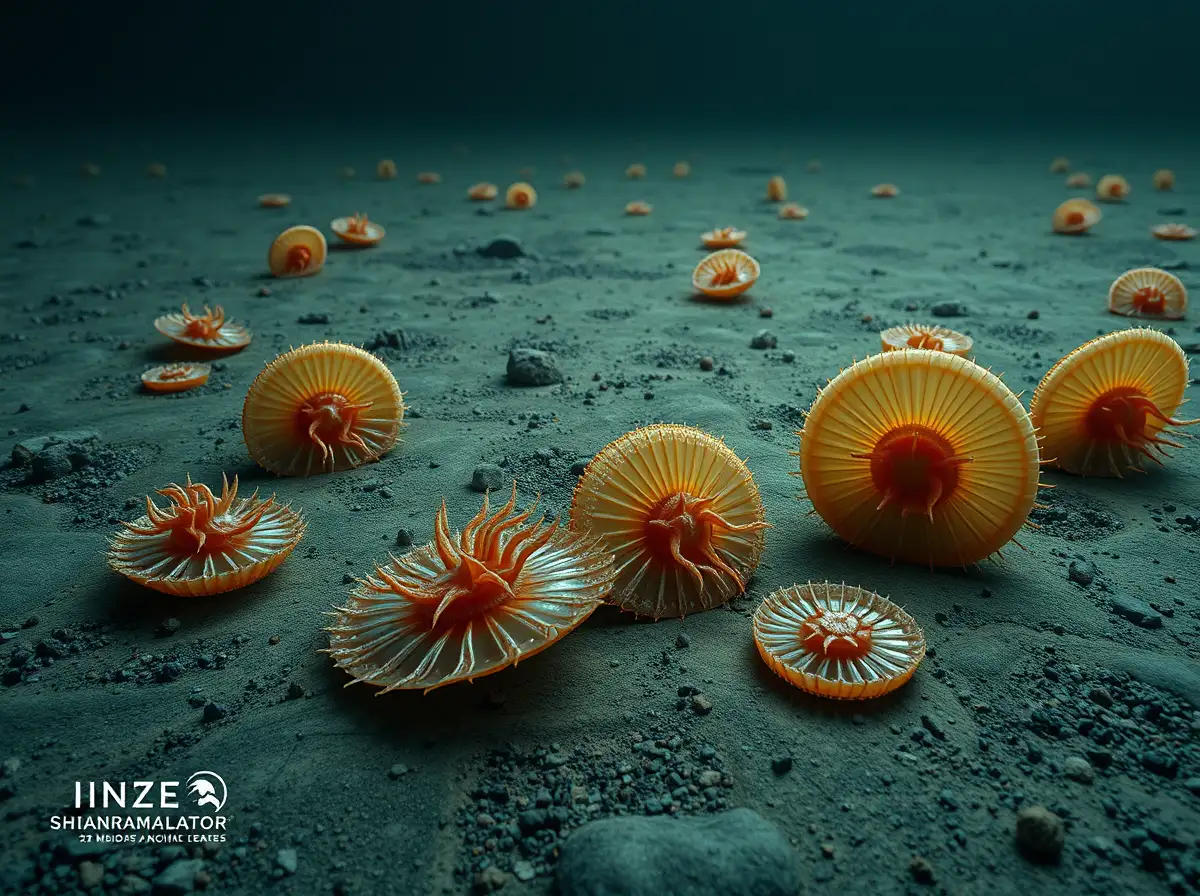
A remarkable fossil discovery in the remote Mackenzie Mountains of Canada’s Northwest Territories is rewriting part of the story of early animal evolution. Researchers have identified more than 100 fossils from rocks dating to approximately 567 million years ago, including organisms that appear to have moved across an ancient deep seafloor. The fossils belong to the Ediacaran period, an era when life looked dramatically different from the animals familiar today. The discovery is significant because the Canadian specimens are estimated to be 5 million to 10 million years older than comparable examples of several important Ediacaran organisms, suggesting that behaviors and body plans associated with active animal life emerged earlier than previously recognized.
The fossils provide an unusually valuable glimpse into a time when most large organisms were soft-bodied and left behind no shells, bones or other durable skeletons. Their preservation therefore depended on exceptional geological circumstances in which an organism’s body or activity could be rapidly buried and recorded in sediment. The Canadian site contains more than 100 specimens and includes six groups of organisms not previously documented in North America.