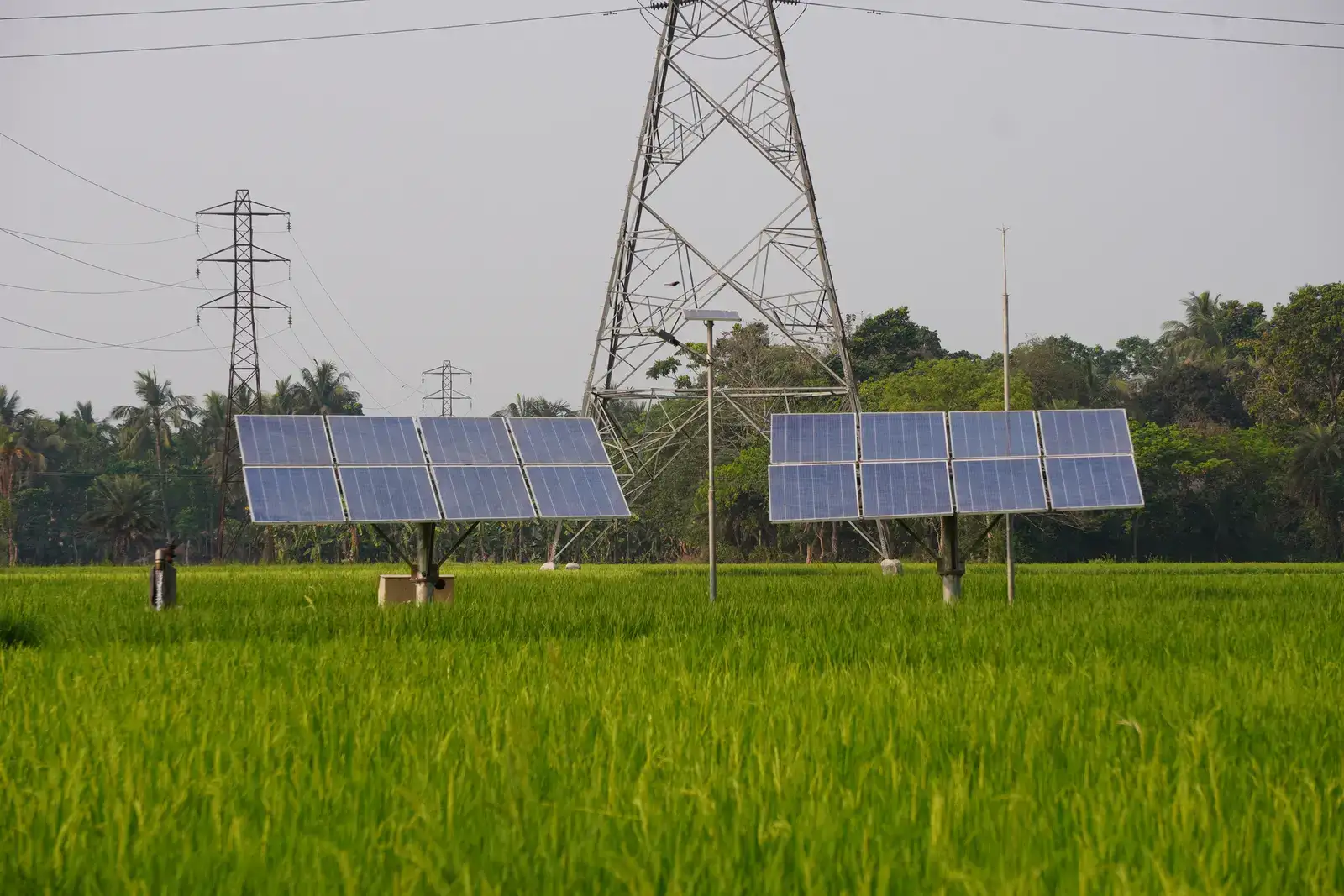
India has already made remarkable progress toward its goal of reaching 500 GW non-fossil capacity by 2030. Its renewable energy capacity has more than quadrupled over the past decade and now accounting for more than 50% of installed electricity capacity. However, adding more than 200 GW in just five years to reach that target will require decisive action across several key areas: securing finance, implementing strong policies, scaling up manufacturing, and upgrading the grid, all of which must work together to drive rapid progress.
To meet this unprecedented scale-up, India must double down on what has worked while rapidly expanding into new frontiers. Utility-scale solar and wind parks have driven capacity additions so far and must continue to do so. However, distributed solar, especially rooftop systems, will be critical in the coming years, as they reduce transmission costs and directly empower consumers. Evidence from recent market pilots shows that simplified subsidy and loan processes sharply boost adoption.
For rooftop adoption in households, initiatives like the PM Surya Ghar: Muft Bijli Yojana play a pivotal role. Schemes like these offer significant subsidies to households for the installation of solar panels, providing up to Rs 78,000 in financial assistance for eligible consumers. They not only make renewable energy more accessible to lower-income households but also reduce the financial burden of transitioning to clean energy.
Equally important is enhancing the financial incentives for private sector participation. India’s 500 GW vision requires significant investment, and private capital will flow only if risks are made manageable. Standardised power purchase agreements, credible offtake guarantees, and viability gap funding are essential. Green bonds, credit enhancements, and targeted financing products for rooftop customers can further accelerate demand. Creating bankable templates for hybrid renewables-plus-storage projects will also strengthen investor confidence.
The Indian government can further speed up the transition to a green energy future through faster land clearances, transparent environmental approvals, and standardised processes for rooftop adoption, which can materially shorten project timelines. States that align industrial incentives with land and transmission planning are already seeing faster deployment.
A resilient supply chain is another cornerstone of this transition. Dependence on imported modules, cells, and inverters leaves projects exposed to global volatility. Expanding India’s manufacturing capacity across solar, batteries, and inverters that are supported by consistent policy signals and transparent procurement will ultimately reduce costs and ensure energy security.
At the same time, India must avoid a “low-quality trap” by enforcing clear standards to curb substandard equipment. Planning for recycling of solar panels and batteries is also equally critical. Workforce training programme is another aspect that can create the skilled labour force needed for installation, operations, and recycling, which will ensure sustained sectoral growth.
Reaching 500 GW by 2030 is ambitious but achievable. With policy certainty, innovative financing, accelerated manufacturing, and modernised grids, India can deliver clean, affordable, and home-grown energy at scale. Success will not only help meet climate commitments but also create jobs and strengthen energy security for the decades to come.
The author is Co-Founder & Director of Freyr Energy. Views are personal.