
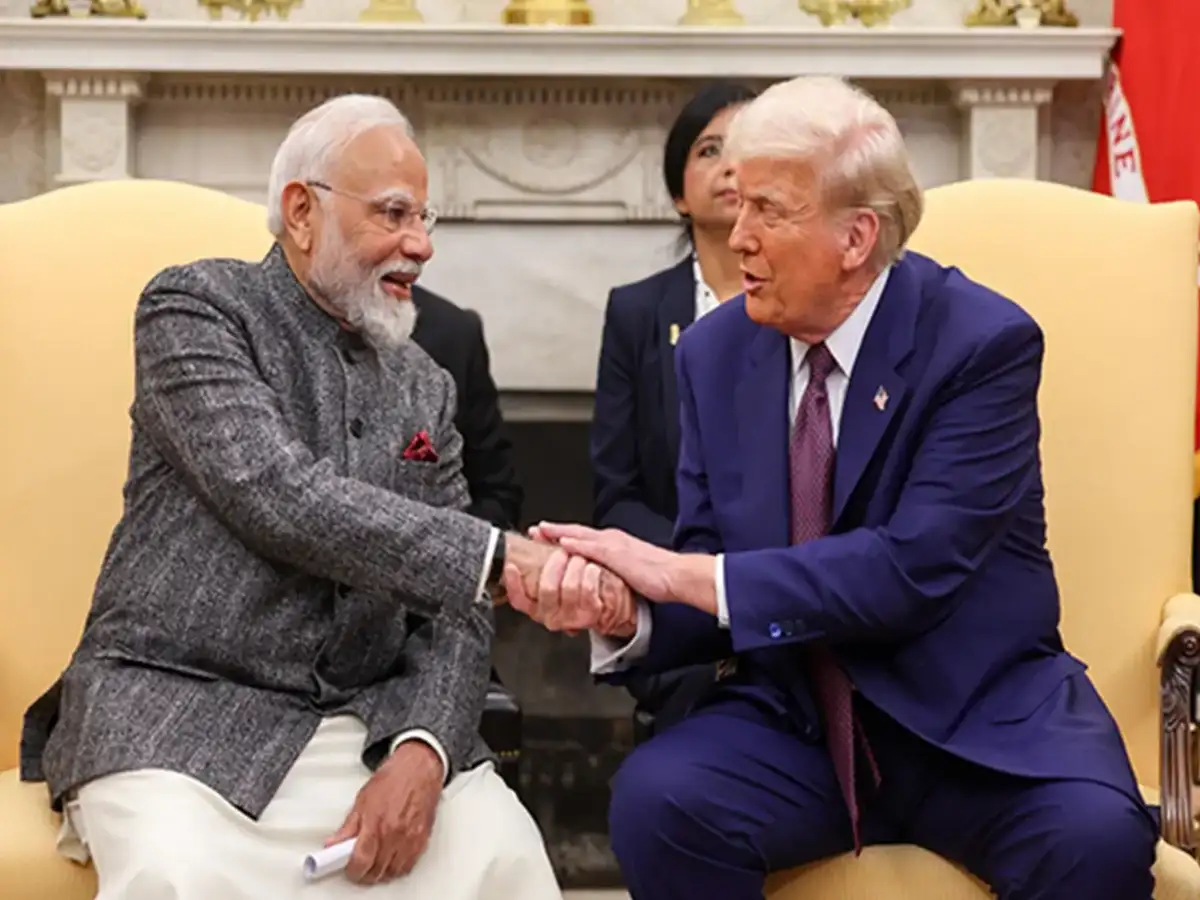
The tariff that Trump waived on Saturday for countries buying Russian oil was originally intended to be a eye-watering 500% levy before being watered down to 100% and then finally to a waiver, albeit temporary. In essence, what began as a proposal for exceptionally high tariffs became a more limited statutory power over time. The latest waiver has now put its immediate implementation on hold.
The evolution of the Lindsey O. Graham Sanctioning Russia and Iran Act of 2026 reflects Washington's attempt to use trade as a weapon against Moscow without losing sight of its own economic and diplomatic priorities. For India, China and other countries that import Russian crude, each change has carried different implications for energy security, exports to the US and relations with Trump admin.














