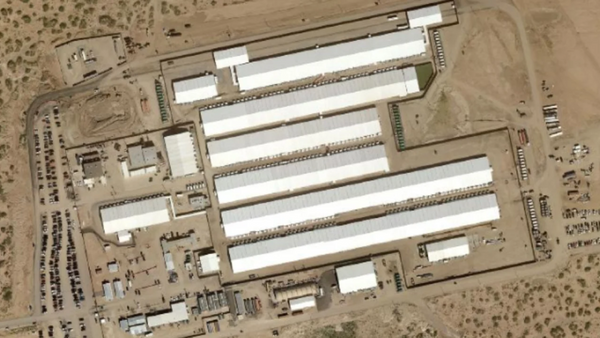
On Sept. 3, 1973, a fire swept through the baghouse of the Bunker Hill mine in Idaho’s Silver Valley. The building was designed to filter pollutants produced by smelting, the melting of rocks that separates metal from its ore. The gases produced in this process carried poisons, including lead.
At the time, the prices of lead and silver were climbing toward all-time highs. Rather than wait for new filters and repairs, company officials kept the mine running. They increased production, bypassed the filtration steps and, for eleven months, dumped noxious gases directly into the surrounding area.