
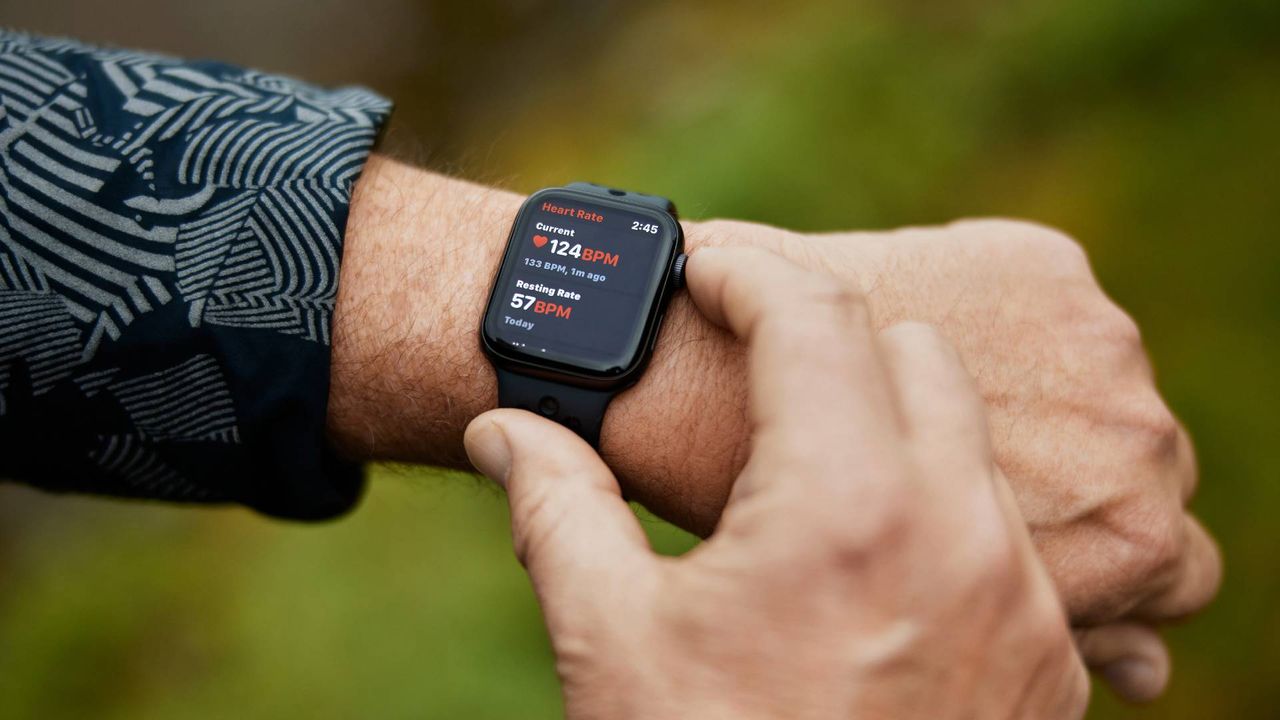
Hypertension, otherwise known as high blood pressure, is a serious health problem. It's one of the biggest drivers of heart disease, strokes and kidney problems, but it's a silent assassin: it often develops with very few symptoms. Enter wearables like the Apple Watch, now complete with the new hypertension-detection feature announced during the launch of this year's crop of new devices.
The tool works passively in the background of the best Apple watches (Series 9 and up), using an optical heart-rate sensor to analyse data and spot patterns that may point to raised blood pressure. It’s not a cuff-based reading or a medical diagnosis, but it can alert you to changes you might otherwise overlook and prompt you to speak with your doctor.

Once you know how Apple Watch's hypertension feature actually works, it’s easy to see how it can help. But detecting a rise in blood pressure is only the starting point. Managing hypertension relies heavily on day-to-day lifestyle choices – and several science-backed habits have been shown to meaningfully support healthier blood pressure, alongside medical guidance.
Here are five practical habits that can help your heart beat at its best, according to research, and the gadgets you can use to get those results.
1. Maintain a healthy weight

Carrying excess weight usually means that your heart has to work harder, straining to pump blood through more tissue. The Framingham Offspring Study found that 65–78% of new hypertension cases were attributable to excess body fat.
What you need to do:
The good news is you don’t need dramatic weight loss to make a difference – the American Heart Association (AHA) recommends aiming for just 5%. So, if you weigh 180 pounds, losing nine can make a measurable difference. Focus on habits you can sustain over time, like regular walking, which helps with both weight management and stress reduction – another known contributor to hypertension.
How technology can help:
The best under-desk treadmills can help by offering an indoor alternative to walking outside.
2. Cut back on salt

Reducing salt is one of the fastest ways to reduce hypertension. The AHA recommends 1,500mg of sodium per day, yet packaged foods, sauces and bread can quickly push you over. Salt causes water retention, which increases blood volume and the pressure on your blood vessel walls as a result.
What you need to do:
Focus on cutting back processed foods and use herbs, spices and citrus to flavour meals instead.
How technology can help:
Apps like MyFitnessPal and Samsung Health are useful for providing a breakdown of your food’s salt content via the barcode scan feature.
3. Keep caffeine and alcohol in check

You don’t need to cut caffeine or alcohol out completely, but too much of either is a known cause of hypertension. Caffeine triggers a short-term spike, while regular drinking can elevate blood pressure over time. A 2021 review showed that blood pressure rises in a dose-dependent way with alcohol – the more you drink, the more your numbers tend to climb.
What you need to do:
Most guidelines recommend no more than one drink per day for women and two for men. Try keeping alcohol within these limits, and switch your regular coffee to decaf in the afternoon.
How technology can help:
The best smartwatches and smart rings are great for spotting short-term heart rate bumps after a drink or strong coffee, making it easier to see how your body responds.
4. Improve your quality of sleep

Poor sleep raises stress hormones like cortisol, which can keep your blood vessels tighter than they should be and drive blood pressure up over time.
What you need to do:
Aim for a consistent 7–9 hours of quality rest to curb this trend.
How technology can help:
The best sleep trackers make it easier to monitor your patterns. Many will flag disruptions or elevated overnight heart rate, helping you identify habits – like late caffeine or screen time – that might be affecting your sleep.
5. Manage stress levels

Just like a lack of sleep, chronic stress keeps your body in a low-level “fight or flight” state, releasing cortisol and constricting blood vessels as a result.
What you need to do:
The good news is, research has shown that mindfulness-based interventions play a positive role in hypertension management – proof that stress-reducing habits can make a difference. Try 5–10 minutes of deep breathing, stretching or a short walk each day.
How technology can help:
Most wearables now include guided breathing sessions or HRV-based stress alerts, making it easier to build these habits into your routine.
Follow TechRadar on Google News and add us as a preferred source to get our expert news, reviews, and opinion in your feeds. Make sure to click the Follow button!
And of course you can also follow TechRadar on TikTok for news, reviews, unboxings in video form, and get regular updates from us on WhatsApp too.