
Get all your news in one place.
100’s of premium titles.
One app.
Start reading
Livingetc
Livingetc
Maya Glantz

5 Ways to Do Wood Kitchens in 2026 — They May Be the Year's Biggest Trend, but They're Far From All the Same

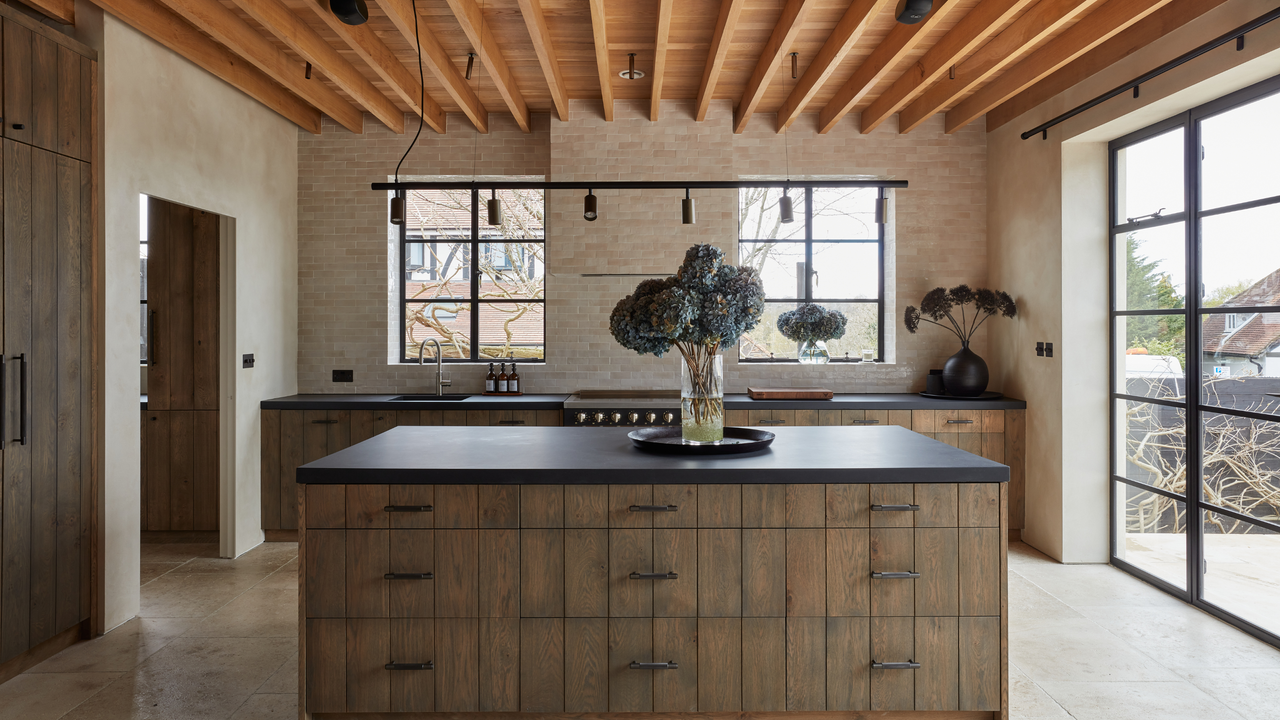
Large kitchen extension made of reclaimed wood with wooden beams ceiling and glass doors leading outside.

As the resident kitchen writer at Livingetc, I spend a lot of time thinking about all the newest trends in this space. And yet, it seems that no matter how many gorgeous designs and new ideas that land on my desk each day, nothing seems to beat a classic wooden kitchen. I may be biased, but there's just something about the warmth and texture that wood kitchen ideas offer that no other material seems to match.

But, of course, wood kitchens are not a monolith — there are so many different types of woods and styles that exist within this category that it would be a disservice to group them all as one. From wood-drenched kitchens to modern kitchens mixing wood with stainless steel counters and handleless cabinets — there's a type of wood kitchen for everyone, so long as you know what to look for.

While the latest color to use will come and go, wood is forever. It's a timeless classic and a fail-safe bet that will look as chic today as it will in ten years. But if you want to know what the designers are favoring right now, these are the five types they shared with me.

1. Reclaimed Wood

In industrial spaces, reclaimed wood can bring some much needed warmth and texture. (Image credit: The Main Company)

One of the most significant shifts in interior design trends is our growing appreciation for sustainable materials. As our understanding of the impacts that certain materials and practices can have on our environment has expanded, so too has our appetite for more eco-conscious alternatives — and reclaimed wood kitchens are one of our favorites.

Referring to any wood that has previously been used, this approach offers the material a second life within your home. Instead of having to chop down any more trees, this wood is salvaged and repurposed, so you can benefit from the character and durability wood brings into the home, without causing any further damage to the planet.

"Reclaimed wood in particular creates a new lease of life for the original material and looks really striking when used for kitchen cabinetry," says Alex Main, director of The Main Company. "It is also a great solution for those considering an environmentally friendly solution in your kitchen, without compromising on style, and it introduces a rich design history to your kitchen — providing a timeless appeal that will only get better with age."

Wood will naturally show signs of wear over the year, creating a more unique, weathered look, and because this material has already fulfilled one purpose, it will have already gone through this process, showing unique markings that provide more depth and complexity to your kitchen, making it particularly ideal for any rustic farmhouse kitchen designs.

2. Dark Wood

While white counters can often appear harsh, when paired with warm, dark wood, they balance each other out. (Image credit: Kitchens by Holloways)

"As homeowners move towards more expressive, earthy color palettes in general, this shift is naturally influencing kitchen finishes too," comments Emily Newmarch, design consultant at Kitchens by Holloways. Across interiors, there's been a clear shift towards warmer tones and natural, textural finishes — a trend that naturally lends itself to wooden kitchens, and the darker and warmer, the better.

A stark contrast to the glossy white kitchens of the past, this look embraces a richer, more inviting style, prioritizing warmth and depth above that bright, airy look.

"Dark wood kitchens, particularly those featuring dark-stained oak or walnut, offer a rich, grounded feel that brings warmth and depth to a space, making them an ideal choice for those looking to create a kitchen that feels both luxurious and inviting," explains Emily. These deeper-toned woods pair naturally with more traditional kitchen features, which we've seen growing in popularity as of late.

They bring texture and depth to the forefront. "Unlike the pale, washed oaks that dominated in previous years, darker woods showcase the natural knots, grains, and textures of the material, allowing you to make more of a feature and statement," says Emily.

While a dark brown paint may feel too heavy or intense in the kitchen, a stained wood can provide the same depth, while still feeling inviting, thanks to the natural texture and movement of the material.

3. Wood Veneers

When done well, a wood veneer can look practically indistinguishable from a regular wooden cabinet. (Image credit: Holte)

As beautiful as solid wood cabinets can look, there's no denying that they are a costly investment, and one that many may not have the luxury of making. This is exactly why veneered finishes have become so popular.

Offering all the same warmth and depth as a true wood finish, without the high price tag, it's one of the best approaches to take when designing a kitchen on a budget.

Using real-wood veneers over a stable cabinet core, "offers the optical richness of authentic wood grain but in a more uniform, cost-efficient format that can be tailored with satin or lacquered finishes," says Richard Davonport, from Davonport.

So long as the veneer is applied to a solid, stable core material, these cabinets will be just as durable and effective as their solid wood counterparts, and because they only use a thin layer of wood, they require far fewer natural resources, making them a more sustainable option, too.

So long as you ensure that both the veneers and the cabinets are made of the highest-quality materials, they should "provide structural reliability and consistency while still retaining the visual warmth and tactility that only real wood can offer," says Charlotte Butler, kitchen design manager at BK Eleven.

4. Pale Timbers

Light wood, natural light, and white walls is an unbeatable trio for a bright, Scandinavian kitchen look. (Image credit: Nordiska Kok)

While it's certainly true that richer, dark color palettes have become more popular, there is also a continued appreciation for the softer finish of Scandinavian design. Characterized by its bright, airy minimalism, this style is all about clean lines, natural materials, and bright, crisp tones. And, in the kitchen, this translates as light, blonde timbers.

For those seeking to create a sense of calm relaxation within their kitchen, a paler wood is often the material of choice. As Charlotte explains, "Lighter and blonder woods such as ash, pale oak, and maple introduce a natural softness that immediately lifts a room, particularly in properties where maximizing daylight and maintaining a sense of openness is a priority."

With all the same texture and movement as their darker counterparts, these ashy, blonde woods bring a brightness and levity that many crave from their kitchens. They allow natural light to bounce off them, filling the room with a sunnier warmth that you'd struggle to achieve with a darker wood.

Plus, as Charlotte notes, "These timbers reflect light in a way that deeper woods do not, which means the kitchen can feel generous and expansive even within a relatively modest footprint," making them an ideal choice for small kitchens.

The soft, natural finish of this material lends it a timeless, neutral feel, pairing easily with an array of styles. As Charlotte notes, "Blonder woods feel inherently contemporary yet are not stark, allowing them to bridge Scandinavian influences with more classic British detailing, and they pair effortlessly with neutral backdrops, textured plaster finishes, and soft architectural lines."

5. Fluted Wood Kitchens

Rounded corners and fluted wood bring a contemporary softness to this kitchen island. (Image credit: Wood Works Brighton)

One of the most popular trends of the past year, the fluted wood finish has become a staple in modern, quiet luxury kitchens, providing even more texture and movement than a classic wood.

While this finish is most typically used when creating a fluted kitchen island, it can also be used across the cabinetry, too, for a more all-encompassing look. However, when used sparingly and paired with other, less detailed materials, it can act as the highlight of the space — a surprising addition that elevates your kitchen design to new heights, without forcing you to stray too far from your comfort zone.

As Tamsin Holland, from Paula Rosa Kitchens, says, "It’s an effective way to add visual interest without relying on bold color." Similarly, slatted and reeded designs have also gained popularity, offering much the same effect as fluted designs.

Wooden Kitchen Accessories


While each of these styles has its own virtue, when it comes to the look that will be the most popular kitchen trend for 2026, we expect the dark, stained woods to reign supreme. As Emily says, "They reflect a broader design preference towards warmth, texture, and natural materials, making them a smart and stylish choice that'll stand the test of time."

If you want some more design insight, make sure to subscribe to our newsletter.

Sign up to read this article
Read news from 100’s of titles, curated specifically for you.
Already a member? Sign in here
Related Stories
Top stories on inkl right now
One subscription that gives you access to news from hundreds of sites
Already a member? Sign in here
Our Picks
Fourteen days free
Download the app
One app. One membership.
100+ trusted global sources.