
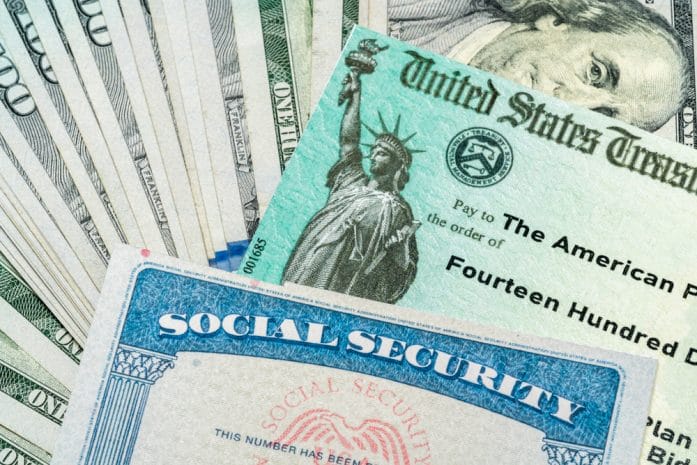
Hackers do not always need high-tech tricks to steal Social Security payments. They often rely on small mistakes that feel harmless in the moment but create big openings later. One wrong click, one reused password, or one careless phone call can expose personal data that links directly to benefits accounts. Criminals target Social Security checks because they arrive on a predictable schedule and support millions of households. Once scammers gain access, they move quickly to redirect payments, change account details, or drain linked financial accounts before anyone notices. The most frustrating part involves how often victims unknowingly help the process along by trusting fake messages or oversharing personal details.
Fraud attempts continue growing because scammers constantly refine their tactics to match real government communication styles. Fake websites now look almost identical to official portals, and phone calls often mimic real agency scripts. Many people feel rushed or confused when dealing with “urgent” messages, which gives criminals the upper hand. Social Security fraud losses reach billions globally each year, and experts consistently point to human error as the biggest factor. Awareness and small behavioral changes create the strongest defense against these attacks.