
Dust, pollen, smoke, and pet dander are among the most common airborne pollutants found in UK houses. And while you can’t see them, they can drastically reduce your home’s air quality if they’re not dealt with. But, thankfully, that’s easier to do than you’d think.
Yes, the idea of improving your home's air quality may seem daunting, but there are quick fixes and affordable products you can buy to create a healthy space for you and your family. This can help those who struggle with hay fever, breathing difficulties, or just want to know that their safe space is as safe as it can be.

So, I’ve put together a list of the things that people with healthy air quality have in their homes, inspired by the pollutant-busters I use in my own house - as well as the things I know my air-conscious friends, family and colleagues use on a daily basis.
1. An air purifier

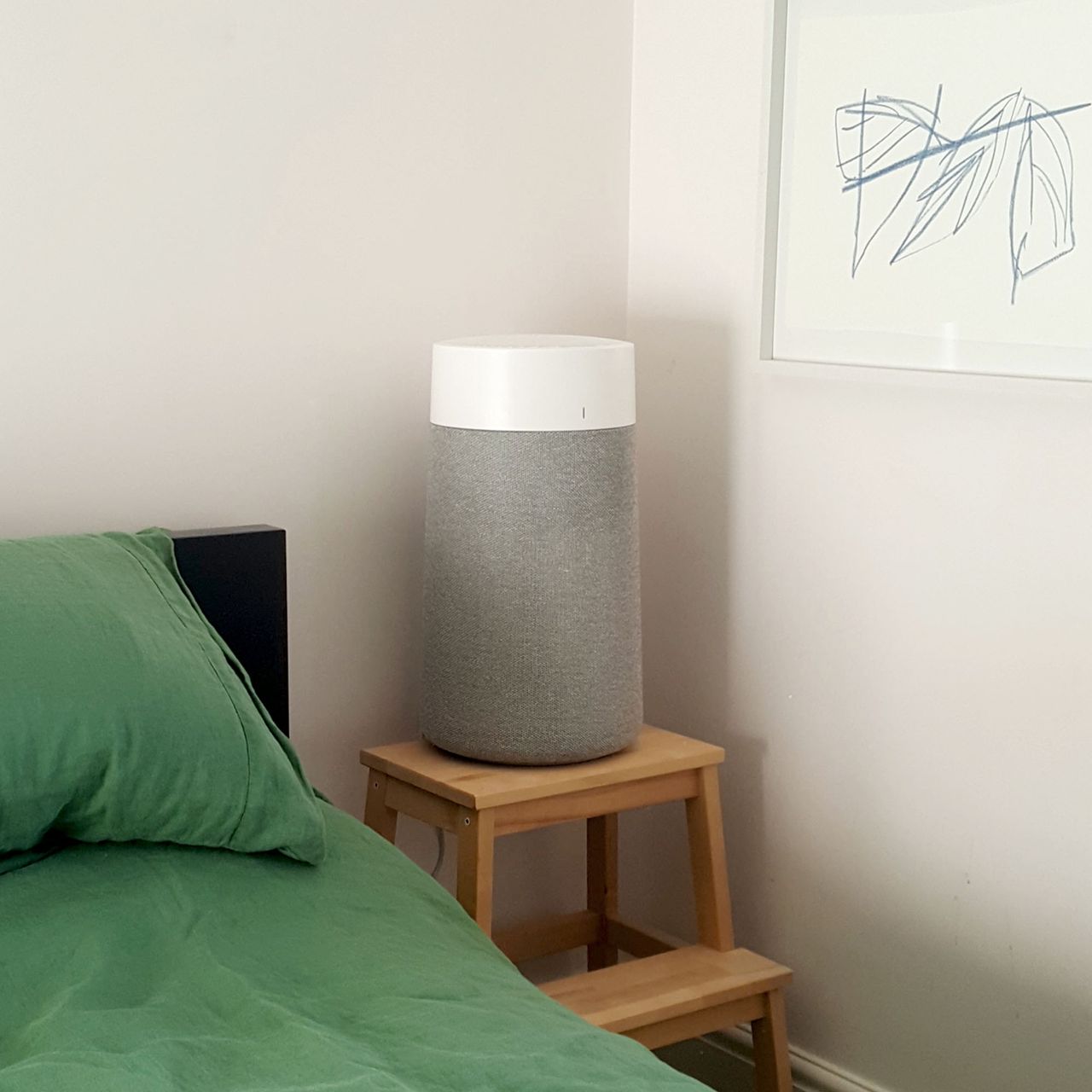
The easiest way to improve your air quality without actually doing anything is to invest in one of the best air purifiers. After all, this handy appliance is literally designed to capture nasty airborne pollutants in your home and push clean, fresh air back out.
And while there are so many different types of air purifiers out there, those who truly value their air quality should choose one with a true HEPA filter that captures 99.7% of particles. This will ensure that it can successfully help with hay fever and even reduce the dust build-up in your home.
It’s important to note that every air purifier is different, though, and some are suited to smaller rooms while others can tackle larger ones. To help you choose an air purifier, it’s a good idea to understand the size of the space you want to purify so you’re not let down by the results.
Crowned the 'best overall' air purifier we've tested, this model is suitable for spaces up to 48m² and combines style with serious substance. We've yet to find one to beat it.
Ideal for small spaces and homes that struggle with odours, this air purifier comes with an Anti-Odour cartridge and the reactive CleanSenseIQ technology that responds to drops in air quality.
If you have a larger home, this Dyson air purifier will suit you best. It's suitable for spaces up to 100 m² and can purify up to 70 litres of air every single second. It's pretty compact, too.
2. A damp duster

One thing I will continue to shout from the rooftops is that damp dusting is always better than dry dusting - especially if you want to improve your home’s air quality. That’s because dry dusting just doesn’t cut the mustard, often either pushing dust around or wafting it into the air to settle elsewhere.
Damp dusting is an affordable alternative to dry dusting that actually captures dust while you’re cleaning and prevents the particles from becoming airborne - meaning it’s even easier to get rid of dust altogether. And while you could simply dampen a microfibre cloth and wet dust that way, I swear by the Scrub Daddy Damp Duster, £4.49 at Amazon.
As this damp duster has ridges carved into it, it’s even more effective at capturing dust - and then all you have to do is rinse it under the tap to clean it off and continue dusting. There are also own-brand alternatives that are at a similar price point, so they’re not hard to find.
Coming in pink or yellow, these are the damp dusters that almost every member of the Ideal Home team swears by.
Slightly more affordable are these Dunelm alternatives, and you can get three in a pack so you'll always have a spare available if you're waiting for your others to dry.
If you're shopping at Lakeland, you can also pick up this pack of two for under £2.50. There's even a 3 year guarantee included.
3. Plants

Often, improving your air quality involves appliances that don’t add anything to your home’s decor or style - but that’s not always the case. After all, those who want healthy air quality can also make the most of the best air-purifying indoor plants that also add greenery to your home. Thompson & Morgan has a handy air-purifying house plant collection, available from £19.99.
There are so many houseplants that can reduce dust, and combining these will ensure that your plants are working hard to reduce many of the airborne pollutants that affect your home’s air quality. Of course, they’ll take significantly longer than an air purifier to do so, but they can still be effective.
In fact, snake plants (you can find a selection of different snake plant varieties for £12 at B&Q) have been proven to remove toxins like carbon monoxide and formaldehyde from the air, and aloe vera (£12.99 at Thompson & Morgan) can remove benzene, which is found in countless supermarket-bought detergents and cleaning products. And while they’re doing this, they’ll continually add more oxygen to your home, too.
Did you know that you could buy plants from Amazon?! This peace lily is very highly reviewed, and will look good while purifying your air.
It's a bit of a lucky dip in terms of what the snake plant that arrives on your doorstep (it'll be one of the three pictured), but for £12 you really can't go wrong.
This spider plant is cheap and cheerful, and will help to improve your home's air quality - without you having to lift a finger.
4. A HEPA vacuum

As Ideal Home’s Certified Expert in Vacuums, I’d like to think that I know a thing or two about the best vacuum cleaners - but one thing I don’t think enough people know is that vacuum cleaners can spread dust. Especially if you’re using the wrong one.
And if you want to keep nasty pollutants out of your home, it’s best to choose a vacuum with a HEPA filter that will help to capture them and prevent them from leaking back into the house. Models with HEPA filters are typically more advanced models, too, so they will offer better suction power and technology to remove any lingering dust, dander, or pollen embedded into carpets and upholstery.
Of course, the bagged vs bagless vacuum cleaner debate is also key when thinking about household air quality, as bagged models are typically safer and healthier than those that require emptying into the bin, as they seal the contents inside.
The best Henry vacuum cleaners are ideal for those conscious of their air quality, as the HepaFlo dust bags filter out any nasties and seal the dust and debris. Just be warned that the vacuum itself doesn't have a HEPA filter - but the Henry Allergy does.
I recently tested this vacuum cleaner and can vouch for its effectiveness. Not only is the vacuum itself kitted out in a HEPA filter, but the sealed auto-empty dust canister also has an anti-odour capsule too.
If you want one of the best cordless vacuum cleaners that will also keep pollutants at bay, this bagged cordless recently impressed me during testing. It's lightweight and powerful, but bagged to keep allergens in.
5. A decluttering schedule

While dust, pollen and smoke are among the most common airborne pollutants in homes, damp and mould can also affect those with allergies, and particularly those with breathing difficulties. And while air purifiers can help with damp in the sense that they can capture mould spores and stop the problem from getting worse, they’re not the only things you can use.
Naturally, the best dehumidifiers are ideal for moisture-prone homes, but those who want healthy air quality should also maintain a regular decluttering schedule. There are even certain items that you should always declutter to prevent damp, as failing to do so can trap dust, moisture and mould spores.
Decluttering also allows you to damp dust more regularly and maintain a steady air flow throughout your home, which will improve the effectiveness of your air purifier and help you breathe easier. This is completely free to do, but I’d suggest investing in clever storage to help you out.
Our Senior Digital Editor, Jenny, swears by this stair basket for keeping her busy family home clutter-free. It'll look good while doing it, too.
Overstuffed wardrobes are a breeding ground for dust and damp, which is why it's always a good idea to declutter by storing out-of-season clothes in vacuum bags like this.
Simply moving items from the floor to the walls can make a huge difference to your air quality, and Command hooks like this are a game-changer.
How will you be improving your air quality this year?
If you enjoyed reading this, sign up for the Ideal Home newsletter for all the latest home decor trends and inspiration delivered straight to your inbox