
Get all your news in one place.
100’s of premium titles.
One app.
Start reading
Livingetc
Livingetc
Natasha Brinsmead

5 Things People Always Regret Skipping During a Renovation — They Might Seem Small but They Make All the Difference

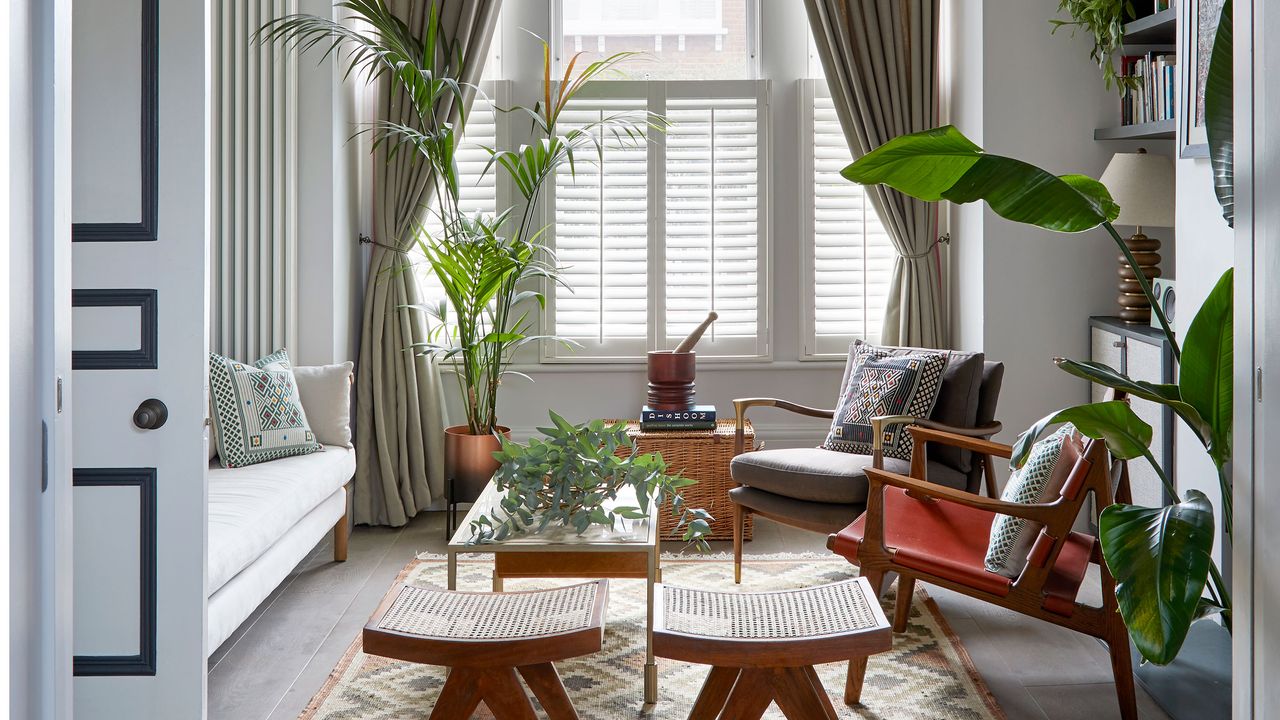
Mid-century living room with window shutters.

It's a funny thing, but given how big of an undertaking a house renovation is, both from a cost perspective as well as in terms of the amount of disruption it can cause to daily life, a huge number of homeowners find themselves at the end of their project feeling rueful about all the things they wish they had included but didn't.

Home renovation projects can be stressful and messy affairs, and this might go some way towards explaining why it is so common for people to miss out features, fixtures, and details that they later regret. They rush through the stages, keen to get the disruption over with, and may also feel overwhelmed by how much they are spending, so try to scrimp in the wrong places, only to have to put their mistakes right later down the line — at extra cost.

To help ensure you don't make the same errors as renovators gone before when re-designing your modern home, here, according to the experts, are the five most common things people regret skipping during a renovation.

1. Underfloor Upgrades

Focus on adding insulation under floors, walls and in the loft. (Image credit: Anna Stathaki. Design: Sandra Flashman Studio)

It often seems to be the unseen elements of any type of home improvement project that get skipped, with people assuming it is better to focus on the areas that make more of a visual impact — huge mistake. Paying attention to what's going on under your floors is so important, and failing to do so could be an expensive error that comes back to haunt you later down the line, as Becky Lane, CEO at Furbnow, explains.

“Old houses, particularly Victorian homes, often leak heat through floors (as well as walls and lofts) and using the right insulation makes a major difference to comfort," says Becky. "When you’re lifting carpets or replacing wooden flooring, that is the moment to insulate and to think about underfloor heating too. It’s the only time it’s truly easy to do, and homeowners always notice the improvement.

“It might sound counterintuitive, as heat rises, but you can typically save 10–15% with proper floor insulation," continues Becky. "It makes sense to put it in at the time you change your carpet or wooden flooring, as that’s when it will have the biggest impact.”

"There are many varieties of underfloor heating, from electric to wet systems with water pipes," picks up Augustine Atobatele, founder of Studio Augustine Interior Design. "Nothing beats getting out of a warm shower and onto warm floors, being in the kitchen with the gentle warmth on one's feet. This is best done whilst all the floors are up during your renovation, as the contractor can plan how the pipes or cables are run and incorporate a smart system."

2. Simple Yet Essential Upgrades

Focus on insulation, draught proofing and ventilation before interior finishes — they'll make all the difference to comfort levels. (Image credit: Fred Howarth. Design: Delve)

Undertaking a renovation project is undeniably exciting and, with the right level of planning, can transform the way people live in their homes. However, don't let the overall commotion of the project get in the way of getting the smaller details right.

“Most people start renovations at the wrong end — they jump to the big-ticket items but skip the simple steps that actually change how the home feels," explains Becky Lane. "Fix the drafts, improve insulation, balance ventilation, then think about heating. That’s how you get a home that stays warm in winter, cool in summer and is cheaper to run.

“People want to make sensible improvements, but without a clear, personalised plan they get stuck between conflicting advice and sales pitches," adds Becky. "Once you know exactly what your home needs and in what order work should be carried out, everything becomes simpler and cheaper.”

3. A Considered Lighting and Wiring Scheme

It is so much easier to get lighting right if you plan it into your renovation from the offset. (Image credit: Ben Sage Studios. Interior design and architecture: Studio Augustine)

Time and time again, great lighting design gets overlooked. People either underspecify, wrongly assuming this is something that they can easily build upon later, or take on the role of lighting designer under the impression that the process is less complex than it is.

"Effective lighting is essential for creating the right atmosphere," picks up Costel Radescu, founder and CEO of CR Group. "Lighting design plays a huge role in a home and its functionality. It should be layered and include downlights, wall sconces and pendants, each addressing the different requirements of the space.

"If you select your lighting fixtures ahead of your renovation, you'll have more flexibility than leaving it until later," continues Costel. "For instance, say you select a 15kg chandelier. It is so much simpler for the right support to be put into place to hold it while the ceilings are already open."

Augustine Atobatele has some additional advice on the lighting rules you should consider.

"Consider fitting a smart light control system that gives you added flexibility and convenience," advises Augustine. "We often create a lighting scheme with no more than four circuits in each room — any more, and it gets confusing. All switches should be on a dimmer. One circuit could be to light up bookshelves, another could control table and floor lamps, with a pendant and downlights on the final two.

"Don't forget to incorporate plenty of sockets either, whether wall or floor — and remember USB-C," adds Augustine. "There's nothing more annoying than wanting to charge your phone or connect a laptop and having to run a cable across the room, creating a hazard."

4. Extra Storage

That extra bit of storage in your home is never going to be under-utilized. (Image credit: Pfeiffer Design)

All homes, whatever their size, can benefit from extra storage ideas — somehow storage always manages to get used. A renovation project is the perfect time to add to whatever you might already have.

"Adequate storage is often underestimated but is crucial for maintaining a clutter-free and appealing space," agrees Costel Radescu. "Built-in cabinets, shelving, and closets maximise space efficiency and provide a streamlined look."

"A space is much more beautiful when it functions harmoniously," adds Augustine Atobatele. "Built-in joinery maximizes floor-to-ceiling space, and you should consider every nook for additional storage, from under the stairs to the space beneath the eaves — even in the walls.

"On a recent commission, there was a wall that was shared by the reception room and hallway," continues Augustine. "We took some of the space from the reception room to build a coat storage unit in the hallway, while in the reception room, we made a display feature in keeping with the room design."

5. Futureproofing Measures

Consider how your home will work for you not just in the short term, but in the future too. (Image credit: Chris Snook. Design: Delve)

Finally, if you are going to the expense and disturbance to everyday life that a renovation brings, it makes sense to ensure that you consider your future needs — that way you won't find yourself having to repeat the process a few years down the line.

"Design with flexibility in mind to accommodate future needs, such as a growing family, mobility issues or even potential resale," advises Costel Radescu. "Features such as wide doorways and adaptable spaces can make your home more versatile for you and more appealing to a broader range of buyers."

In terms of adaptable spaces, consider how ground floor rooms, such as snugs or home offices, might be able to work as downstairs bedrooms in the future — it can be a good idea to either incorporate a small shower room nearby or to ensure that one would be easy to add going forward if necessary.

FAQs

What Adds the Most Value in a Renovation?

According to the experts we spoke to, investing in quality finishes and focussing on high-end kitchens and bathrooms is likely to give your home's value the biggest boost.

"Investing in durable materials such as hardwood flooring or solid countertops is crucial both for longevity as well as aesthetic appeal," reveals Costel Radescu. "While it may be tempting to cut costs here, quality materials can save money on future repairs and replacements and elevate the overall look of your home, making it more appealing to future buyers.

"Bathrooms should be a focal point in any renovation, too," continues Costel. "Consider features like double vanities, walk-in showers, and high-quality fixtures. Adding elements such as heated towel warmers, underfloor heating, or smart mirrors can significantly increase your home’s value and saleability.

"Finally, consider the layout of your home carefully," adds Costel. "While open-concept living spaces are popular, they may not suit everyone. Creating distinct zones for cooking, dining, and relaxing can improve functionality and widen your home's appeal."

How Long Does a Renovation Typically Take? 

Obviously all renovation projects are different, but it is useful to have an understanding of average timescales when setting out.

"For a typical house extension, we work through the stages of design, planning and contractor tendering over a period of six to seven months," picks up Ed Martin, director and co-founder of Delve Architects. "Once a builder has been appointed to your project, the duration on site will depend on the scope and likely be between four to five months — up to 10-12 depending on complexity.

"The more decisions you can make before beginning construction on site, the more time and money you can save overall by keeping close control over build costs."

While it can be tempting to try to save money by carrying out jobs on a DIY basis, there are some renovation projects you should never do by yourself — familiarise yourself with these before tackling them if you want to avoid making costly mistakes that you'll need to put right later.

Sign up to read this article
Read news from 100’s of titles, curated specifically for you.
Already a member? Sign in here
Related Stories
Top stories on inkl right now
One subscription that gives you access to news from hundreds of sites
Already a member? Sign in here
Our Picks
Fourteen days free
Download the app
One app. One membership.
100+ trusted global sources.