
Get all your news in one place.
100's of premium titles.
One app.
Start reading
Frugal Gardening
Frugal Gardening
Amanda Blankenship

5 Red Flags an Online Seed Seller May Not Be Legitimate

online seed seller scam
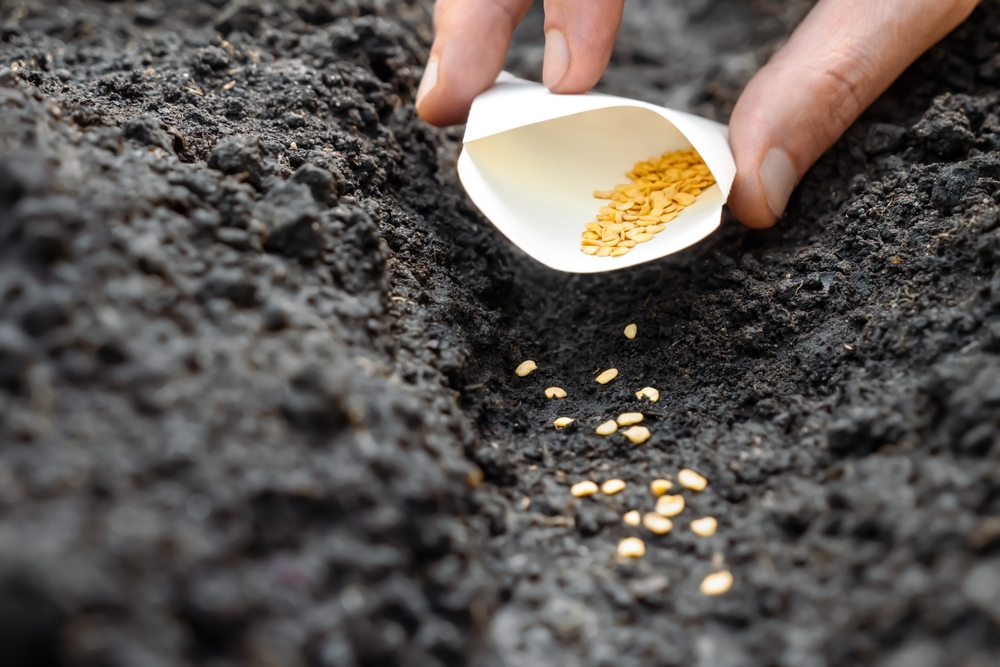
Unbelievable plant photos, missing seed information and questionable payment requests can all signal trouble. Research an unfamiliar online seed seller before placing an order. Oleksii Synelnykov/Shutterstock

That packet of rare blue tomatoes or rainbow-colored roses may cost only $4.99, but wasting five dollars isn’t the biggest risk when buying questionable seeds online. You could spend weeks tending empty pots, receive something completely different from what was advertised, or unknowingly order seeds that don’t comply with U.S. import requirements. Online marketplaces and social media have made unusual varieties easier to find, but they’ve also made it easier for questionable sellers to put convincing photos in front of thousands of gardeners. Fortunately, there are warning signs that can help you identify an online seed seller scam before entering your payment information. Here are five red flags worth investigating before those bargain seeds go into your cart.
1. The Seeds Promise Plants That Look Too Incredible to Be Real

Start with the plant itself, especially when a listing shows spectacular colors, enormous fruit, or characteristics you’ve never encountered from an established seed company. Manipulated and AI-generated images can make an impossible plant look convincing enough that an inexperienced gardener may assume they’ve discovered a genuinely rare variety. Before ordering, search the plant’s common and botanical names independently and see whether university extension programs, botanical gardens, reputable nurseries, or established seed companies recognize it. A seller offering something extraordinary should be able to provide a credible variety name and useful growing information rather than relying entirely on a dramatic photograph. When the only evidence that a spectacular plant exists comes from sellers using the same suspicious image, treat the listing as a potential online seed seller scam.

2. Basic Seed Information Is Missing From the Listing or Package

Real seed labeling involves considerably more information than a tiny plastic bag marked “RARE FLOWERS.” The USDA Agricultural Marketing Service explains that the Federal Seed Act regulates agricultural and vegetable seed shipped in interstate commerce and functions as a truth-in-labeling law. Federal requirements include information such as seed purity, germination percentage, kind and varietal identification, certain noxious-weed information, treatment information when applicable, and the name and address of the interstate shipper. Exact requirements vary with the seed and transaction, but vague listings that won’t even clearly identify what you’re buying deserve additional scrutiny. If a seller can’t tell you the actual variety, seed quantity, origin or basic growing details, don’t assume the mystery will disappear when the envelope arrives.

3. You Can’t Figure Out Who Is Actually Selling the Seeds

A polished storefront isn’t proof that a business behind it is trustworthy. The Federal Trade Commission recommends researching unfamiliar online sellers, checking reviews from multiple sources, and searching the company’s name along with words such as “complaint” or “scam.” Look for usable contact information, clear shipping and refund policies, and evidence that the business exists somewhere beyond its own website or marketplace profile. Be cautious when every review sounds remarkably similar, the seller has virtually no history, or questions about varieties and shipping receive vague answers. An online seed seller scam can have attractive product pages, so judge the business by information you can independently verify rather than by web design.

4. An Overseas Seller Acts Like Import Rules Don’t Exist

A low-cost packet shipping directly from another country deserves more scrutiny because buying seeds internationally can make you the importer. USDA APHIS warns that seeds purchased online from sellers outside the United States may not meet U.S. import requirements and says buyers are responsible for making sure purchases comply. Requirements depend on the species and origin, and some seeds require permits, phytosanitary documentation, inspections, specific packaging, or other safeguards designed to prevent harmful pests and diseases from entering the country. Even the Small Lots of Seed program has detailed conditions, including limits on quantities and requirements involving scientific names, country of origin, invoices, labeling, and packaging. A foreign seller who dismisses questions about U.S. requirements or promises that “all seeds pass customs” regardless of species is giving you a reason to walk away.

5. The Seller Wants Payment in a Way That’s Hard to Reverse

How someone asks you to pay can reveal as much as the seed listing itself. The FTC recommends safer payment methods such as credit cards and warns consumers about sellers demanding wire transfers, gift cards, cryptocurrency, or payment outside a marketplace’s established payment system. Credit cards provide legal protections that can help when merchandise never arrives or isn’t what was ordered, while some alternative payment methods make recovering money considerably harder. Moving a transaction outside a marketplace can also cause you to lose whatever buyer protections the platform would otherwise provide. If a seller offering $20 worth of seeds insists on an unusual, irreversible payment method, the possibility of an online seed seller scam matters more than the supposed bargain.

A Five-Minute Check Can Save an Entire Growing Season

Gardeners naturally focus on price when seed packets cost only a few dollars, but the real investment includes your soil, containers, water, growing space, and weeks or months of care. Before ordering from an unfamiliar seller, verify that the plant actually exists, look closely at the seed information, research the business, determine where the seeds will ship from, and use a payment method that offers protection. For international purchases, USDA’s Agricultural Commodity Import Requirements database can help buyers determine requirements based on the commodity and country of origin. None of these checks takes as long as spending eight weeks nurturing seedlings only to discover they aren’t remotely what the listing promised.

Have you ever received fake, mislabeled, or completely unexpected seeds from an online seller? Tell us what happened in the comments.

What to Read Next

Can You Really Grow Free Plants From Grocery Store Produce? Here’s What’s Worth Trying

Received Seeds You Never Ordered? USDA Says Don’t Put Them in the Ground

7 Garden Problems You Don’t Want Surviving in Next Year’s Compost

This Tiny Pest Can Hitchhike Indoors on Your Houseplants This Fall

Stop Buying Potting Soil Every Year — Here’s What Can Actually Be Reused

The post 5 Red Flags an Online Seed Seller May Not Be Legitimate appeared first on Frugal Gardening.

Sign up to read this article
Read news from 100's of titles, curated specifically for you.
Already a member? Sign in here
Related Stories
Top stories on inkl right now
One subscription that gives you access to news from hundreds of sites
Already a member? Sign in here
Our Picks
Fourteen days free
Download the app
One app. One membership.
100+ trusted global sources.