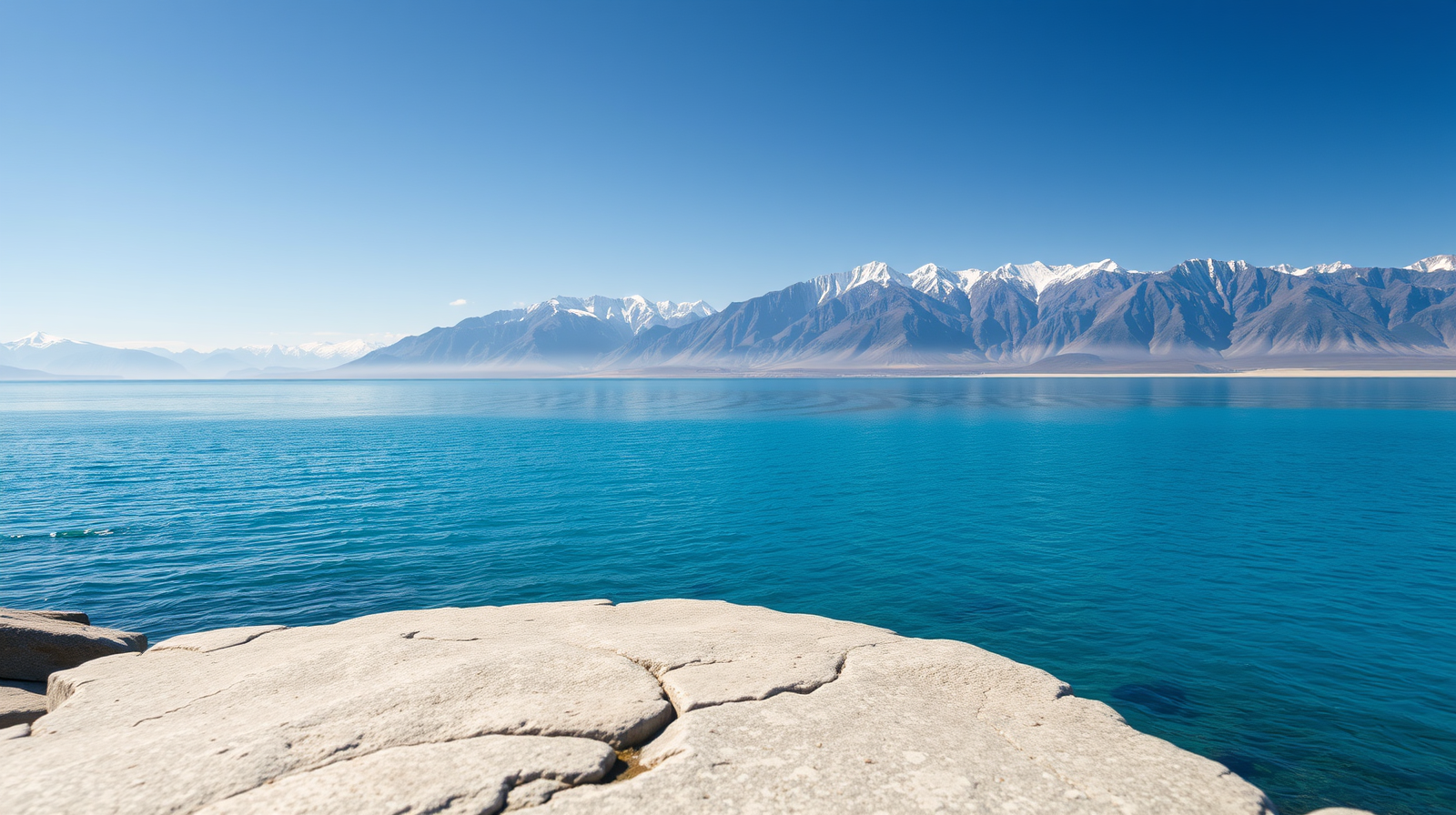
Most lakes seen today are geologically young, carved out by moving ice during the last Ice Age and destined to fill with sediment or dry up within a few thousand years. Scientists generally only call a lake ancient if it has held water continuously for more than one million years without drying out or silting up completely, and by that standard, only around twenty lakes on the entire planet qualify. Because these lakes have remained isolated from other water bodies for such long stretches of time, many have become home to fish, snails and other species found nowhere else on earth.
Get breaking news anytime, anywhere. Download the TOI app now!