
Get all your news in one place.
100’s of premium titles.
One app.
Start reading
The Free Financial Advisor
Brandon Marcus

5 Moves to Make Before the Federal Reserve Cuts Rates Again in 2026

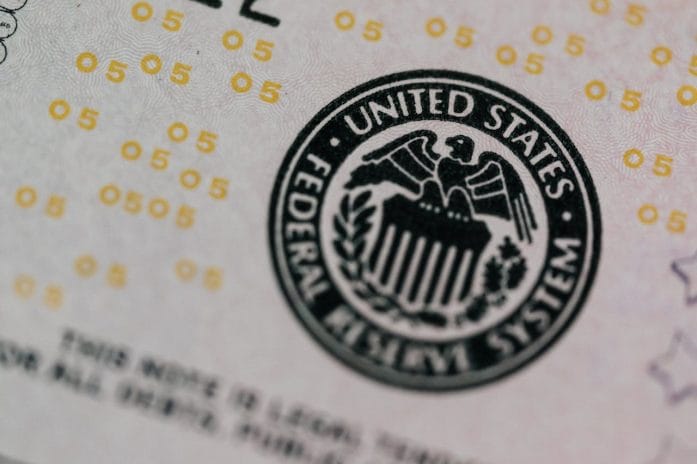
Image Source: Pexels.com

The next rate cut may not arrive quietly. When the Federal Reserve shifts direction, markets react fast, banks adjust even faster, and money starts flowing in new directions. Anyone who waits for the announcement before taking action will likely miss the best opportunities.

The Federal Reserve has already cut rates in past cycles when inflation cooled and growth slowed, and 2026 could bring another turning point if economic data supports it. That possibility alone demands preparation now, not later. Get ready, because the rest of 2026 could bring some serious changes to America’s economy.

1. Lock In High Yields While They Still Exist

High interest rates reward savers, but those rewards shrink quickly once the Federal Reserve lowers its benchmark rate. Banks tend to reduce yields on savings accounts, money market accounts, and certificates of deposit soon after a cut. Anyone holding large cash reserves should evaluate whether locking in today’s higher rates makes sense before that shift happens.

Certificates of deposit offer one straightforward way to preserve a strong yield. A CD with a one- or two-year term can secure a fixed rate that won’t fall if the Federal Reserve eases policy. Online banks often offer more competitive rates than traditional brick-and-mortar institutions, so comparing options pays off. High-yield savings accounts also deserve a close look, but those rates move quickly when policy changes.

Cash still plays an essential role in any financial plan, especially for emergency funds. However, letting large sums sit in low-yield accounts during a rate-cut cycle wastes earning potential. Locking in attractive yields now provides predictability and cushions against declining returns in 2026.

2. Refinance Strategically, Not Emotionally

Lower rates usually spark a refinancing frenzy, particularly in the mortgage market. When the Federal Reserve cuts its federal funds rate, longer-term rates such as mortgage rates do not always move in perfect sync, but they often trend downward when investors expect looser policy and slower growth. Anyone carrying high-interest debt should monitor those trends closely.

Homeowners with adjustable-rate mortgages may benefit significantly from refinancing into a fixed-rate loan if rates fall meaningfully. Those with fixed-rate mortgages locked in at historically low levels during 2020 and 2021 should not rush into a refinance without clear math supporting the move. Closing costs, loan terms, and long-term interest savings all deserve careful analysis.

Credit card balances and personal loans also demand attention. Variable-rate credit cards usually follow the direction of short-term rates. Paying down those balances before or during a rate-cut cycle can reduce overall interest costs and improve financial flexibility. A strategic refinance plan focuses on numbers and long-term benefit, not on headlines or hype.

3. Position Investments for a Shifting Cycle

Rate cuts often signal concern about economic growth. The Federal Reserve lowers rates to support borrowing, spending, and investment when inflation cools or growth slows. Markets tend to anticipate those moves, which means stock and bond prices can shift well before the official announcement.

Bond prices typically rise when rates fall because existing bonds with higher yields become more attractive. Investors who expect rate cuts may consider increasing exposure to high-quality bonds or bond funds before the cycle turns. U.S. Treasury securities often gain appeal during easing cycles, especially when investors seek safety.

Equities can also respond positively to rate cuts, particularly growth-oriented sectors that rely on borrowing and future earnings. However, not every stock benefits equally. Companies with strong balance sheets, consistent cash flow, and durable demand often hold up better if economic growth slows. Diversification remains critical. No single rate decision guarantees a smooth market rally, and volatility often increases around policy shifts.

4. Rethink Big Purchases and Timing

Lower interest rates reduce borrowing costs, which can make large purchases more attractive. Auto loans, home equity loans, and business financing often become more affordable when rates decline. However, timing matters. If a major purchase looms on the horizon, tracking interest rate trends could lead to meaningful savings.

For example, someone planning to buy a home in late 2026 might evaluate whether waiting for clearer signs of easing makes sense. On the other hand, housing prices sometimes rise when lower rates stimulate demand. A cheaper mortgage rate does not always offset a higher purchase price. Careful planning requires attention to both borrowing costs and market conditions.

Business owners should also prepare. Lower rates can create opportunities to expand, invest in equipment, or hire additional staff. Securing financing before demand surges can provide an edge. Anyone considering a large financial commitment should build flexibility into the plan, including room for unexpected economic shifts.

Image Source: Pexels.com

5. Strengthen the Foundation Before the Shift

Rate cuts often reflect broader economic pressures. The Federal Reserve does not lower rates simply to make borrowing cheaper; it responds to inflation trends, employment data, and overall economic momentum. Strengthening personal finances before a potential slowdown creates resilience no matter what 2026 brings.

Building a robust emergency fund stands at the top of that list. Three to six months of essential expenses in accessible accounts can protect against job disruptions or income changes. Reducing high-interest debt improves monthly cash flow and lowers financial stress. Reviewing insurance coverage, retirement contributions, and long-term goals also ensures that no blind spots remain.

Retirement savers should revisit asset allocation. A diversified portfolio aligned with risk tolerance and time horizon provides stability during policy changes. Automatic contributions to retirement accounts maintain discipline even when markets swing. Preparation beats reaction every time.

The Real Opportunity Lies in Preparation

The next move from the Federal Reserve will not exist in isolation. It will reflect inflation trends, employment data, and economic momentum leading into 2026. Those who prepare now can turn that policy shift into an advantage rather than a scramble.

Locking in strong yields, managing debt intelligently, positioning investments thoughtfully, timing major purchases carefully, and reinforcing financial fundamentals all create a powerful head start. Economic cycles never last forever, and each turn opens a new set of possibilities. Taking action before the headlines explode offers control in a moment when many people feel uncertain.

What step feels most urgent right now, and how will that decision shape financial goals heading into 2026? Share thoughts and strategies in the comments and start the conversation.

You May Also Like…

The Federal Reserve Rate Cut That Did Nothing for Credit Card Holders

The Interest Rate Cliff Explained: One Day You’re Fine, the Next Day You’re Broke

Why Smart Drivers Are Refinancing Their Auto Loans Before Rates Shift Again

9 Money Assumptions That No Longer Work in Today’s Economy

Boomers in Denial: What They Refuse to Accept About Today’s Economy

The post 5 Moves to Make Before the Federal Reserve Cuts Rates Again in 2026 appeared first on The Free Financial Advisor.

Sign up to read this article
Read news from 100’s of titles, curated specifically for you.
Already a member? Sign in here
Related Stories
Top stories on inkl right now
One subscription that gives you access to news from hundreds of sites
Already a member? Sign in here
Our Picks
Fourteen days free
Download the app
One app. One membership.
100+ trusted global sources.