Iron is an important mineral for the body that plays a key role in growth and development. It helps in the production of hemoglobin, an important protein in red blood cells that helps in the transportation of oxygen to the lungs and other parts of the body. While iron is required by everyone, at a certain age and stage of life, the need may increase. Babies, children, and teenagers undergo rapid growth spurts, which increase their need for iron. During pregnancy, the requirement for iron is much more.
It is important to eat iron-rich foods to prevent anemia, strengthen the immune system, promote sleep quality, and fetal health. Not eating enough iron can lead to deficiency which can affect your focus, lead to fatigue, and anemia.
Here are iron-rich foods you must include in your diet:
Spinach
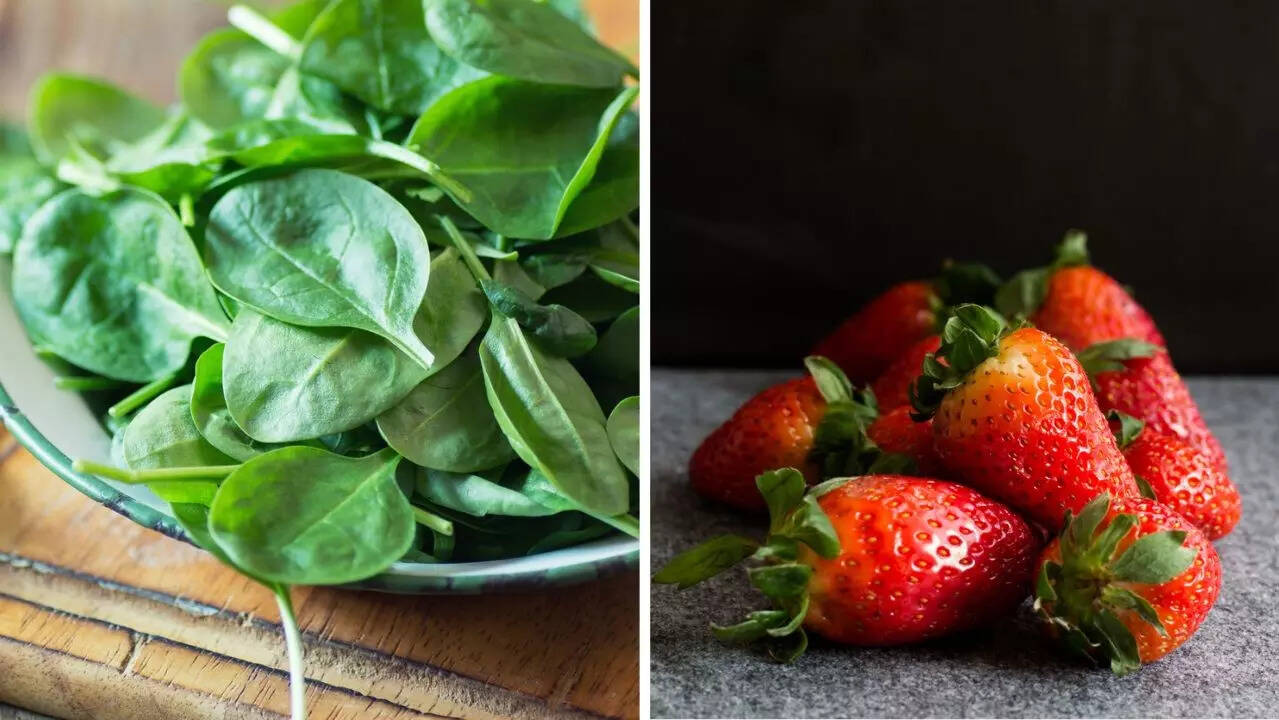
Spinach is a dark green leafy vegetable possessing a wealth of nutrients. A cup of cooked spinach has around 6.5 mg of iron which can contribute greatly to your daily iron requirement which is around 8 mg. Spinach is also rich in plant pigments chlorophyll and carotenoids. Being rich in plant compounds and having anti-inflammatory properties, spinach reduces risk of many chronic diseases. Premenstrual and pregnant women need 18 and 27 mg of iron respectively.
StrawberriesSweet, delicious, and juicy, strawberries have a powerful flavor and delicious taste. It is widely used in various culinary preparations from cakes, ice creams, desserts, smoothies to confectionery. A cup or 144 grams of strawberries contains 0.6 milligrams of iron, which is 4% of the recommended daily intake. According to the American Red Cross, strawberries are among iron-rich fruits and pairing them with foods rich in Vitamin C like oranges or tomatoes, can lead to better iron absorption.
FigsFigs are a good source of iron, potassium, magnesium, and calcium. A raw fig contains about 1% of the recommended daily amount of iron. Dried figs have a more concentrated dose of iron compared to fresh figs. They also have a generous amount of manganese, zinc, copper, nickel, and strontium. Dried figs are a rich source of phytochemicals and antioxidants which can help keep chronic diseases at bay.
Nuts and seeds
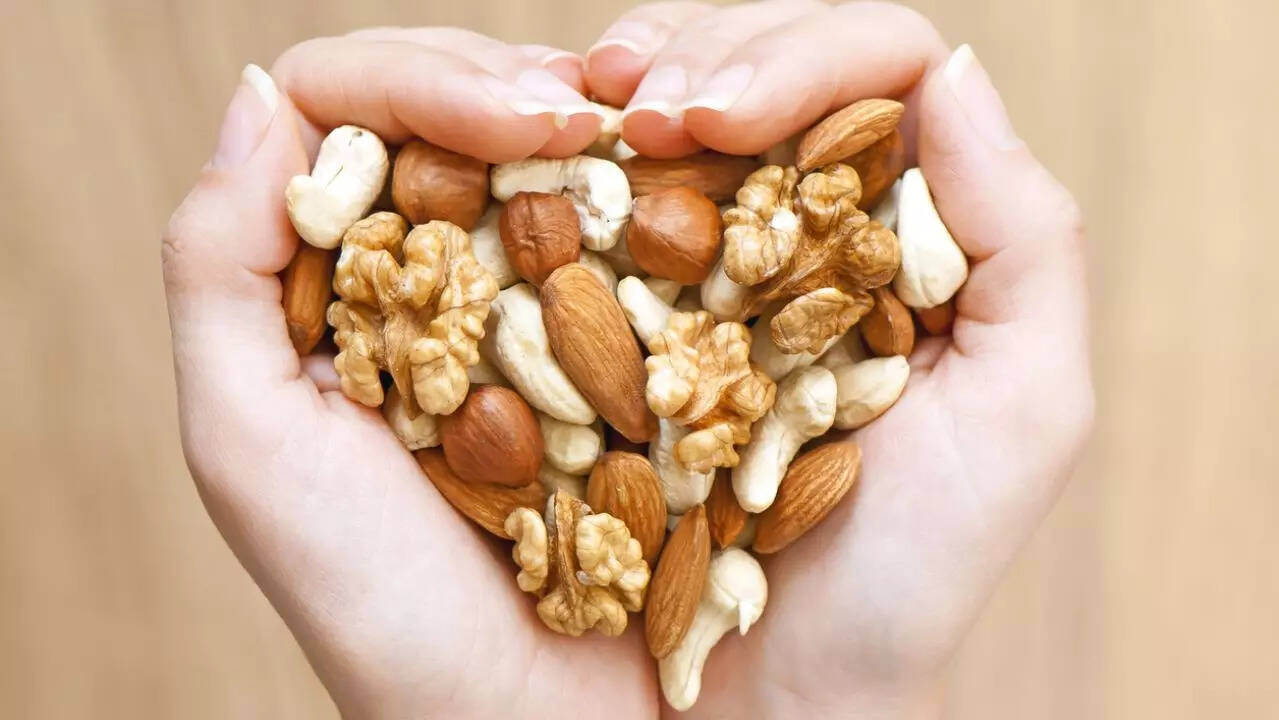
Nuts and seeds are a rich source of iron. Regularly eating nuts and seeds like pistachios, almonds, cashews, pine nuts, macadamia nuts, pumpkin seeds, sesame seeds, flax seeds, and hemp seeds can help maintain optimal iron levels in your body. Apart from iron, nuts and seeds are also a powerhouse of fibre, protein, vitamins and minerals.
BroccoliBroccoli belongs to the cabbage family and its regular consumption is associated with reduction in heart disease risk, cholesterol, and improvement in cardiovascular health. A cup or 156-gram of cooked broccoli contains 1 mg of iron, which is 6% of the daily requirement. A serving of broccoli also helps pack 112% of the daily requirement for vitamin C, which helps your body absorb the iron better.