
By 1981, John Boorman was in dire need of creative rebirth. The British director had made a name for himself first with the stylish revenge thriller Point Blank, and then especially with Deliverance, a thriller set in the dangerous Georgian wilderness that was a major box office success and picked up three Academy Award nominations. The rest of the 1970s wasn’t so hot — after a failed attempt to adapt Lord of the Rings, Boorman made the Sean Connery-starring post-apocalyptic fantasy Zardoz, which was not warmly received and barely made back its budget. But the worst was yet to come — few career hiccups have matched the enormous failure of Exorcist II: The Heretic, a troubled production that snowballed into one of the most reviled sequels in Hollywood history.
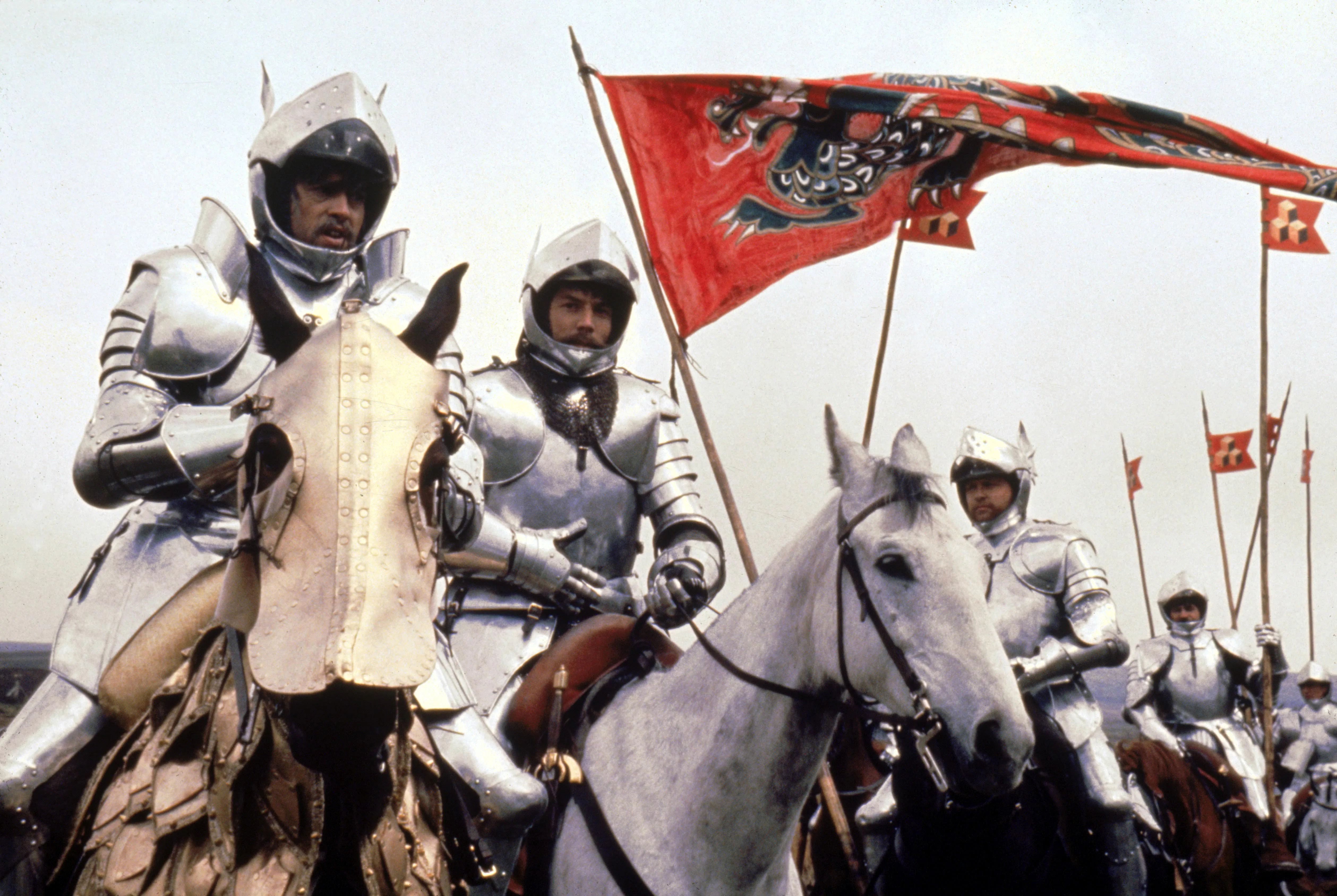
There was a lot riding on Boorman’s follow-up, Excalibur, the epic, big-budget fantasy film that told the cradle-to-grave story of King Arthur. Inspired by one of the most renowned works of Arthurian literature, Sir Thomas Malory’s Le Morte d'Arthur, Excalibur needed to render the classic beats of the legend — the sword in the stone, the round table, Lancelot’s betrayal, the quest for the Holy Grail, the battle with Mordred — into spectacular and impactful blockbuster fare to compete with the recent mass-appeal Star Wars, and also take King Arthur seriously again in the wake of Monty Python and the Holy Grail. Excalibur delivered—the film earned three times its budget at the North American box office, and its sumptuous, shimmering, and mature retelling of its mythic source material made it an apt vessel for Boorman’s creative renewal.