#1
My girlfriends grandmother used to always use the bathroom at every restaurant before ordering. If the bathroom wasn’t up to standard she was outta there because who knows what kitchen looks like.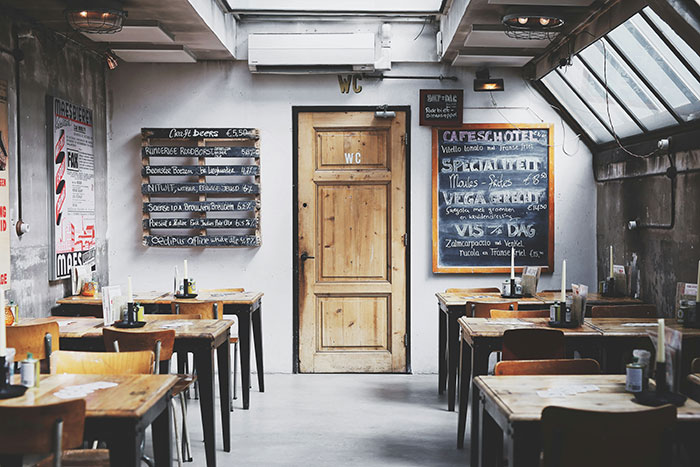
Image credits: berriesnbball_17
Like some of us (hi!), the author of the discussion is a big fan of the legendary 'Kitchen Nightmares' TV show with chef Gordon Ramsay. "I got the idea for the thread when I was watching Kitchen Nightmares and started wondering if I’ve ever eaten in a restaurant that’s actually disgusting behind the scenes," u/Objective-Switch-823 opened up to Bored Panda.
"I’ve never worked at a restaurant and might not know what red flags to look for as a customer. Bad food speaks for itself, but I’d rather avoid eating at a bad restaurant in the first place. No one wants to accidentally eat in a disgusting place," they said.
"Having restaurant workers discuss the warning signs can help customers pay attention to issues they otherwise would ignore." In the OP's view, the discussion got a lot of attention due to morbid curiosity. "People like sharing disgusting stories and experiences." The internet user was glad that the thread blew up because it really helped them be more careful about where they eat.
#2
Image credits: thick_andy
#3
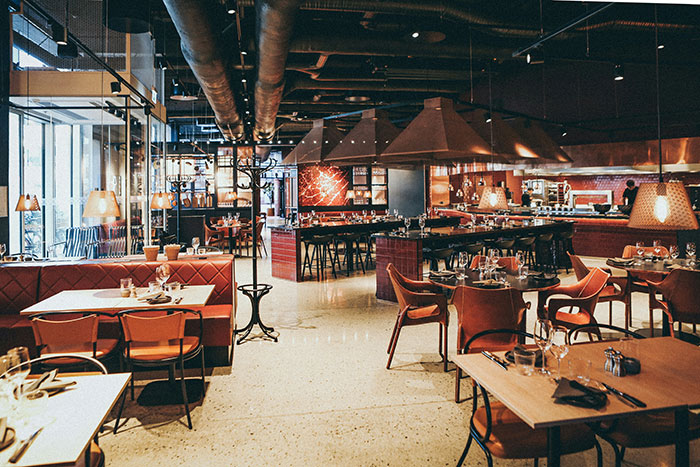
Image credits: ParkityParkPark
Bored Panda asked the internet user whether there was anything that the employees could realistically do to change a bad situation at the restaurant where they work. According to them, there's not much they can do if the owners are unwilling to make significant changes.
“Employees probably could take matters into their own hands and clean after hours, but that wouldn’t really address the bad management. Complaining to the owners is an option, but I don’t think most people would be willing to risk losing their jobs like that. If the restaurant poses a genuine health risk, either the customers or employees can report it to a local health department as well."
#4

Image credits: SandaledUsurpation
#5
Image credits: piink_clouds
#6
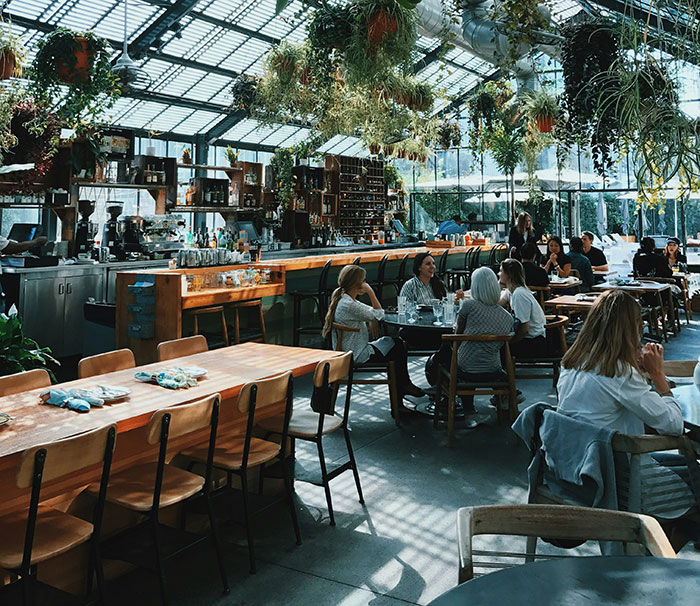
Image credits: DoubleDThrowaway94
Meanwhile, we were curious to get u/Objective-Switch-823's thoughts on what all restaurants could do to make their customers feel special. "Good hygiene, presentable cutlery, and plates are always a plus. A nice atmosphere, good-looking furniture, natural light, and plenty of space are also important,” they said.
"I don’t think many people would enjoy eating in a claustrophobic, dreary place. Polite and welcoming service is definitely a must."
Every customer deserves to be treated with respect. When you go out for a meal, you expect to get what you pay for, whether that’s fast food or a cutting-edge dining experience. You want the quality of the dish to match your expectations. You want the service to be quick, friendly, and professional. And, generally, you want to leave feeling like you had a great time.
It’s not like that’s a lot to ask for. It should be the bare minimum! But, in reality, you’ll quickly realize that some dining establishments really struggle with these basics. The chefs might have abysmal hygiene standards in the kitchen, while the servers don’t give a toss about anything because they’re on the verge of quitting anyway.
#7
Image credits: NoUserNamesLeft98
#8
Dick's Drive In (a burger chain in the Seattle area) uses fresh cut potatoes for their fries. Sometimes, fresh potatoes have fresh maggots. I was trained to just cook the maggots, because you can't tell the difference between a maggot and a french fry once you fry it and put enough salt on it. Now, to be fair, in the year I worked there I never saw a maggot, but the fact that it's a part of their training is f*****g gross.
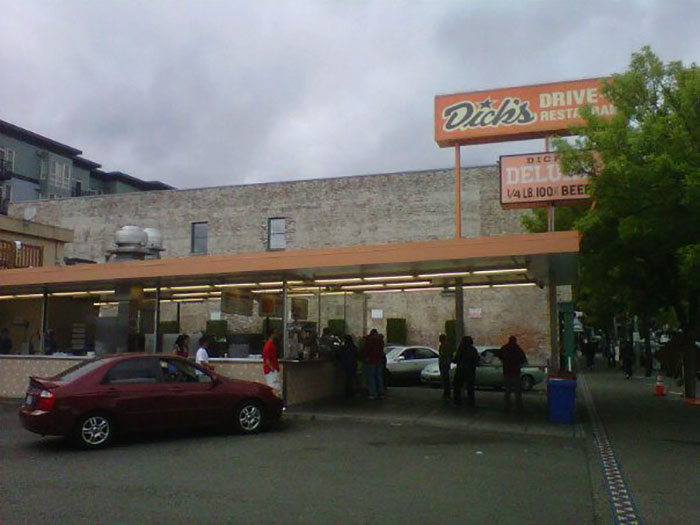
Image credits: jnx36
#9
Dirty glassware all over the place when it's not busy, bartenders that would rather shoot the sh*t with coworkers than take care of their guests, dirty bar stools. Honestly, my standards aren't that high
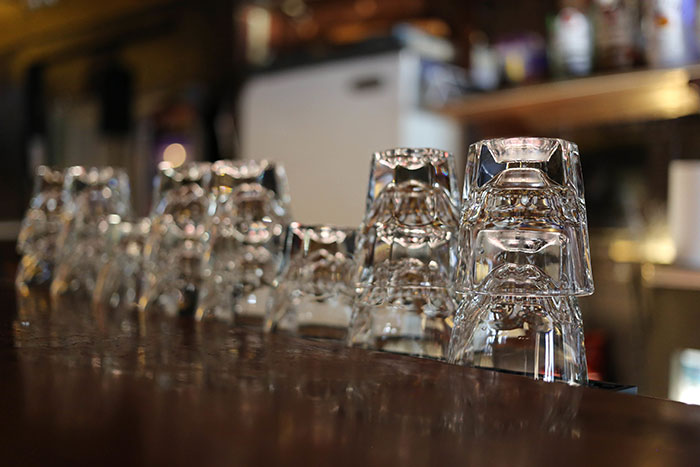
Image credits: bjh3458
There are two broad approaches that you can take to fix the issues you see at any restaurant: bottom-up and top-down. The first is to have each and every member of your staff be more proactive. That means taking on more responsibility and solving problems as they arise instead of ignoring them. The issue with this approach is that it’s a lot of extra work for probably no extra pay. Not only is that likely to make the customers ill, but it’ll also have a knock-on effect on the reputation (and profits!) of the business.
The second approach is overhauling the way that the restaurant is being managed. That means setting clear expectations for hygiene and service standards… as well as showing your employees that bad work will have consequences. At the end of the day, this requires the owner and managers to have a transparent, unified vision of what they want to achieve. It also means taking on a more active management role. At least until everyone’s on the same page.
#10
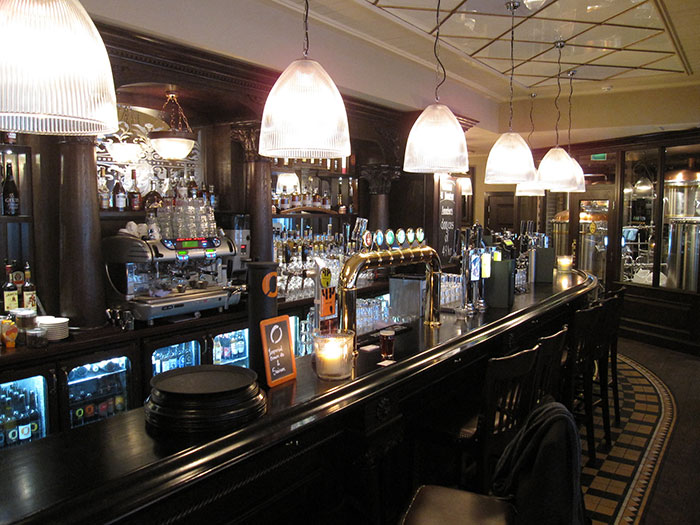
Image credits: ButHagridImJustHarry
#11

Image credits: arseniy1234555
#12
Image credits: intashu
One server notes on ‘Food & Wine’ that one definite indicator that a restaurant is a bad place to eat is the horrid state of the bathroom. If it looks dirty, consider leaving. How the staff treat this public space is an indicator of their standards elsewhere.
To put it bluntly, if they don’t care whether or not the toilet is clean, why would they treat the kitchen any differently? Someone who’s sloppy in the kitchen might cross-contaminate food, improperly store ingredients, or serve items that are past their expiration date. Not only is that likely to make the customers ill, it’ll also have a knock-on effect on the reputation (and profits!) of the business.
#13
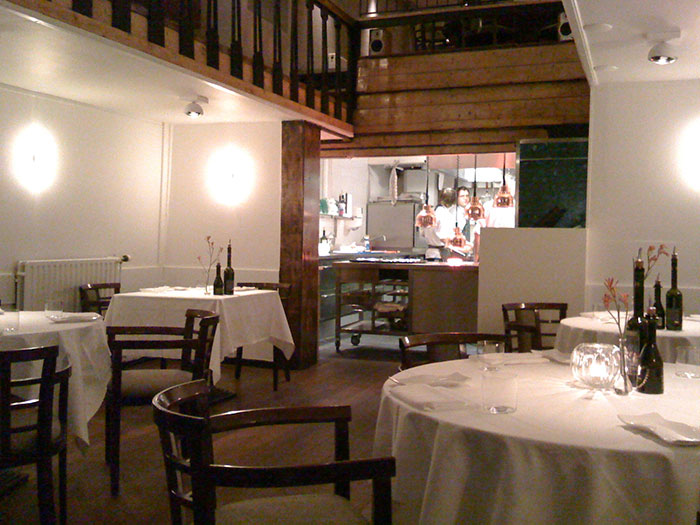
Image credits: anon
#14

Image credits: Linux4ever_Leo
#15
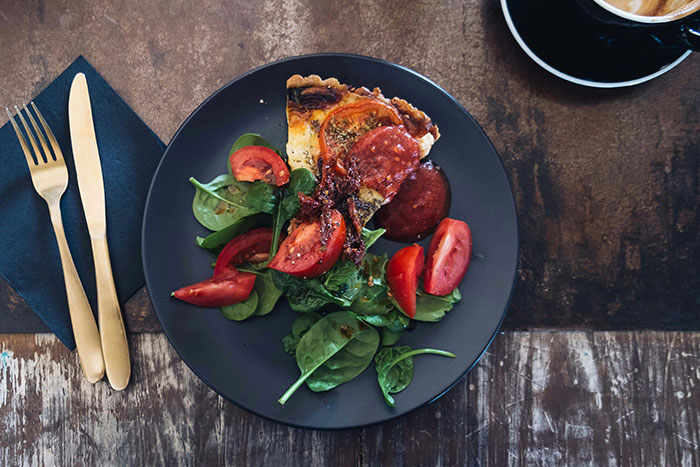
Image credits: Petite_Tsunami
Meanwhile, another red flag is if the restaurant has a large menu. Simply put, it likely means that the food you’ll get won’t be fresh. It also indicates that the chefs are forced to run around making tens (if not hundreds) of different dishes instead of focusing on a few quality pieces. If the menu or the restaurant walls have pictures of the food, lower your expectations further.
One subtle sign that you’re better off eating elsewhere is the state of the salt and pepper shakers and the menus. If they’re sticky, grimy, and icky, the cleanliness standards are bad.
#16
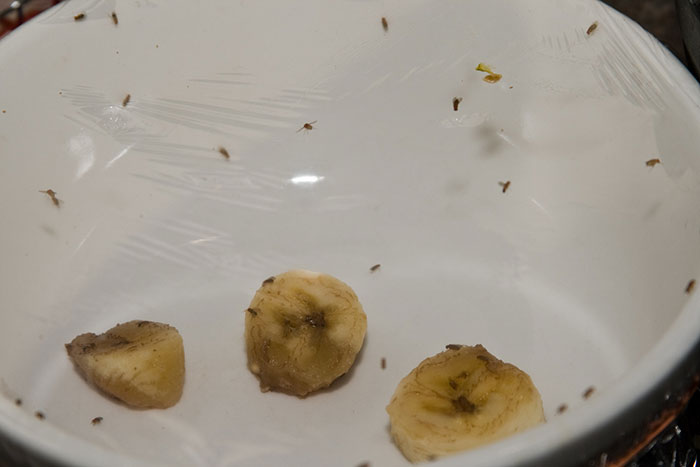
Image credits: brndnstrnr
#17
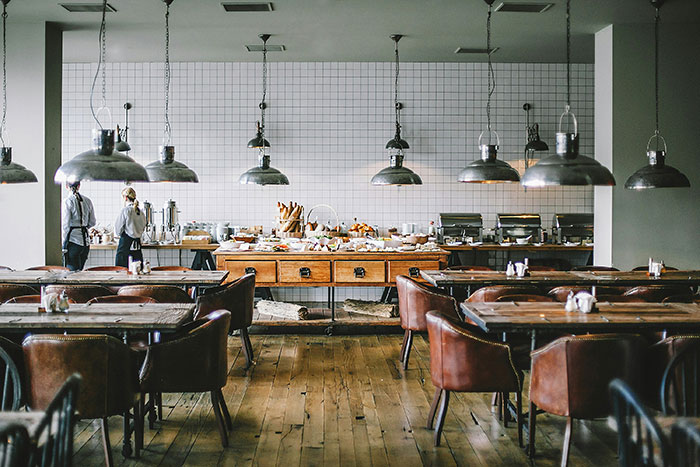
Image credits: cornygoose88
#18

Image credits: anon
On the service side, it’s never a good sign if you’re getting ignored or if someone's rude. If you’re not treated like a guest, you probably shouldn’t expect good food, either.
(Of course, there will always be exceptions. Some restaurants, delis, and bars are known for their rude or grumpy staff. They’re part of the experience. Just think of Gordon Ramsay's brand!)
#19
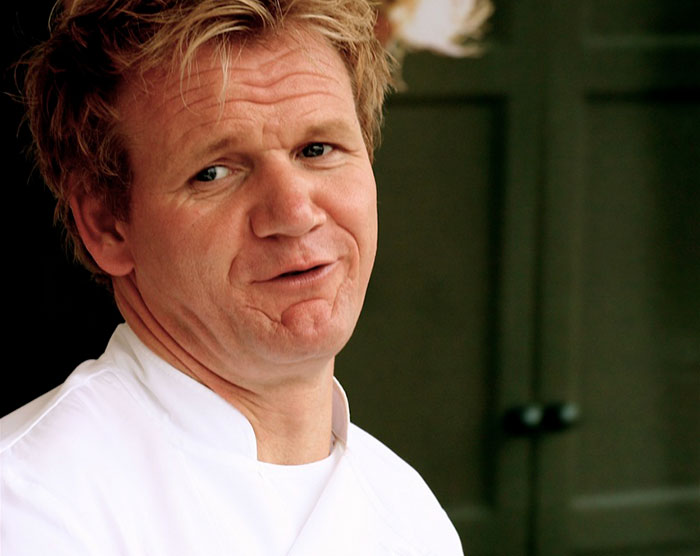
Image credits: PM_UR_REBUTTAL
#20
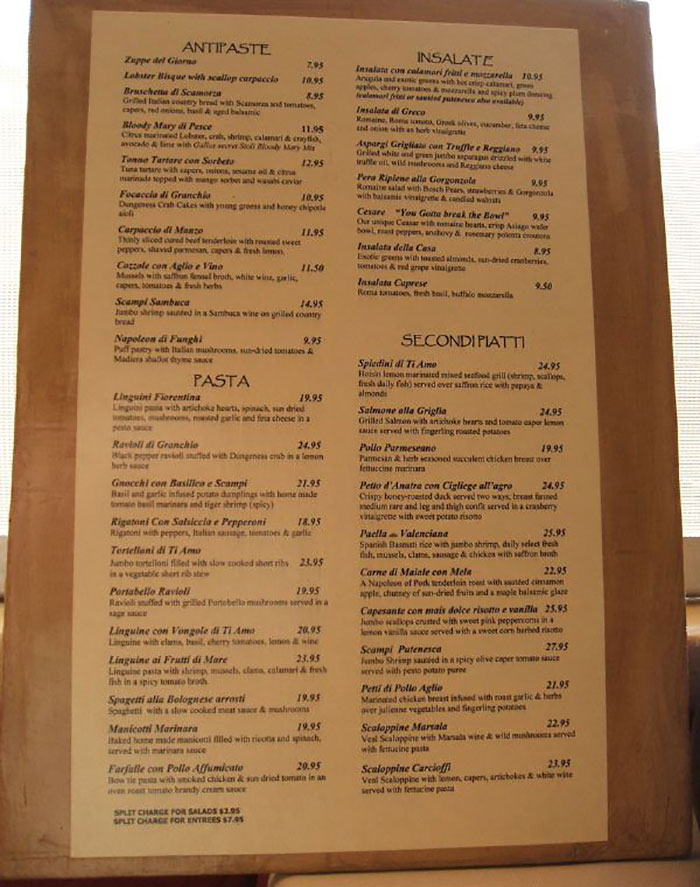
Image credits: anon
#21
Image credits: MJohnVan
What is the worst restaurant experience you’ve ever had, Pandas? If you’ve ever worked as a chef or server, what would you warn customers about if you could? What makes a meal out on the town special for you?
We’d love to hear your thoughts on this, so if you have a moment, drop by the comment section.
#22
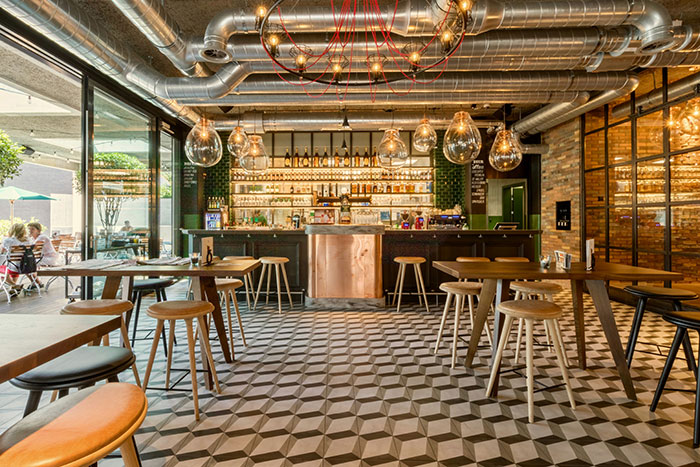
Image credits: agatvetheuil
#23
Image credits: wardycatt
#24
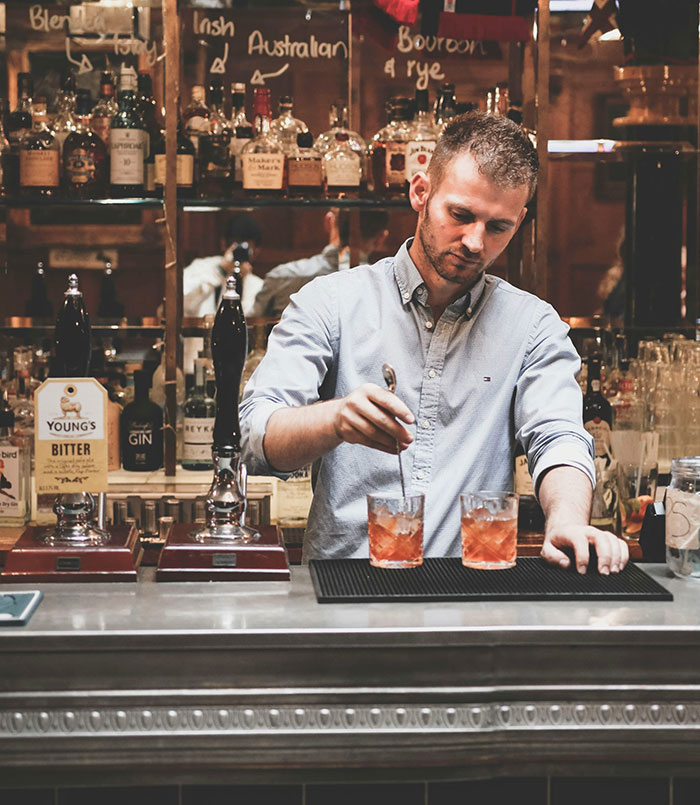
Image credits: butfirstlunch
#25

Image credits: automoth
#26

Image credits: JamesLoker
#27
Image credits: Ermaquillz
#28
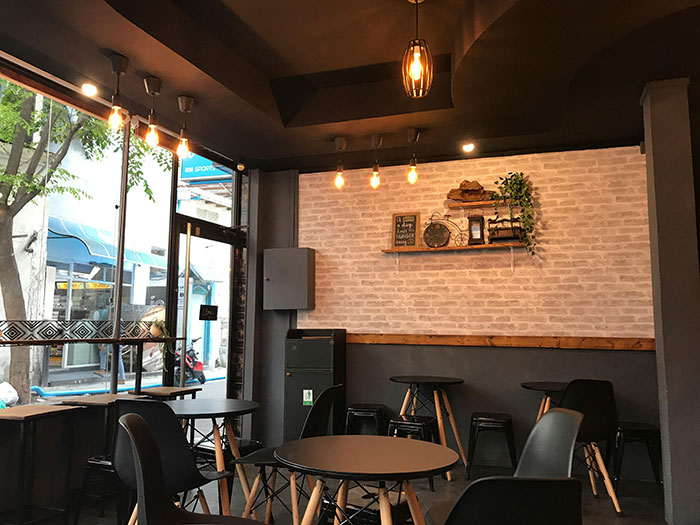
Image credits: KJM8419
#29
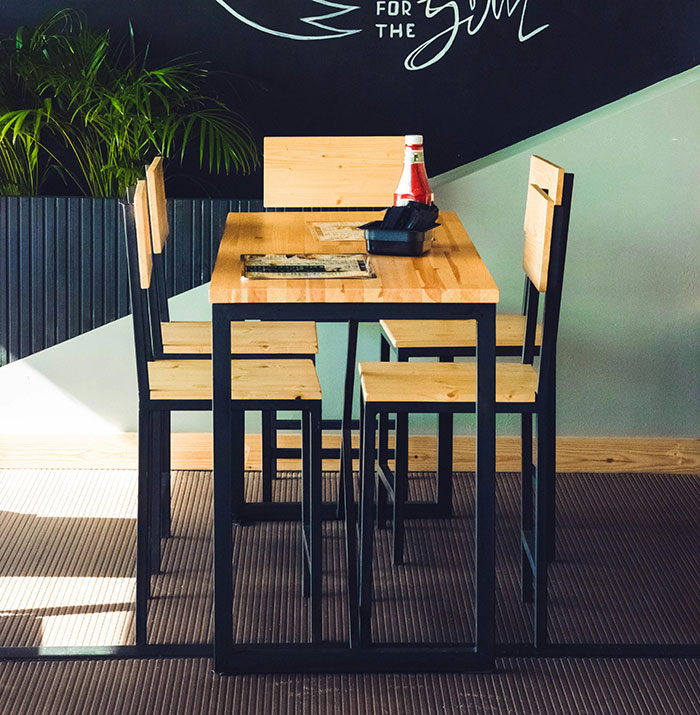
Image credits: baronmad
#30

Image credits: RelativeNewt
#31

Image credits: Ectobatic
#32

Image credits: GypsyJJJ
#33
Image credits: ALinLOSANGELES
#34
#35
#36
#37
#38
#39
#40
Image credits: digitalfoe