
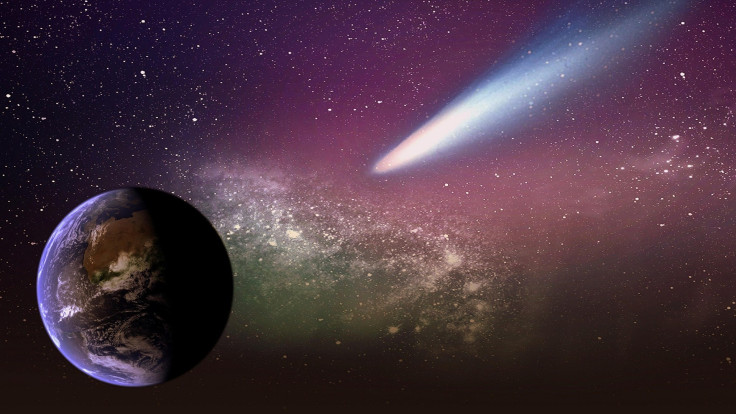
In the vast, silent theatre of the cosmos, a rare visitor is preparing for its final bow before departing our solar system forever. The interstellar object known as 3I/ATLAS — the third confirmed traveller from another star system — is currently hurtling towards its closest approach to Earth, scheduled for 06:02 UT on Friday, Dec. 19.
While the distance of 167 million miles (approximately 1.8 astronomical units) may sound vast, in the context of the sprawling universe, it is a remarkably intimate encounter. This flyby offers a fleeting, high-stakes window for astronomers to train their most sophisticated instruments on an object that has spent eons drifting through the light-years between the stars at a blistering speed of 130,000 miles per hour. Yet, as the visitor draws near, it is not merely the object's alien origin that has the scientific community talking, but a bizarre, sunward-facing protrusion that seems to defy the very laws of physics.














