
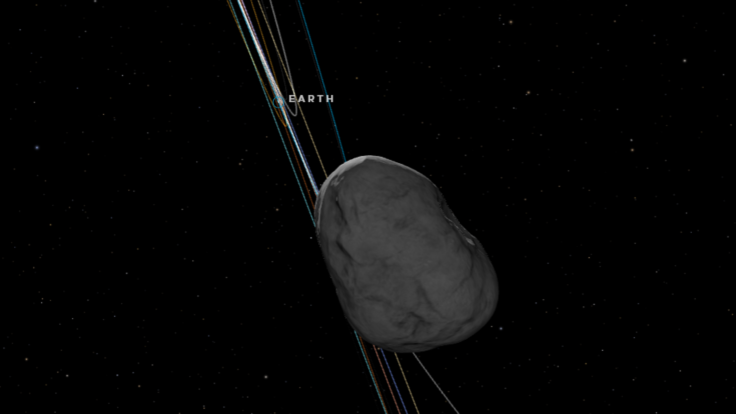
The sudden appearance of the interstellar voyager 3I/ATLAS has reignited a fervent public debate over humanity's status in the universe. While the comet's ethereal green glow and complex tail structure have dazzled amateur astronomers, its arrival has coincided with a provocative new theory that challenges our understanding of extraterrestrial life: the 'Solitude Zone'.
A groundbreaking paper published in Acta Astronautica argues that we may not be as isolated as we feel. Instead, it introduces a probabilistic framework suggesting that while the universe might be teeming with life, we are currently trapped in a statistical window where finding a peer is mathematically unlikely. This statistical pessimism stands in stark contrast to the sensational claims circulating in the media, many of which have been fuelled by high-profile academic speculation.














