
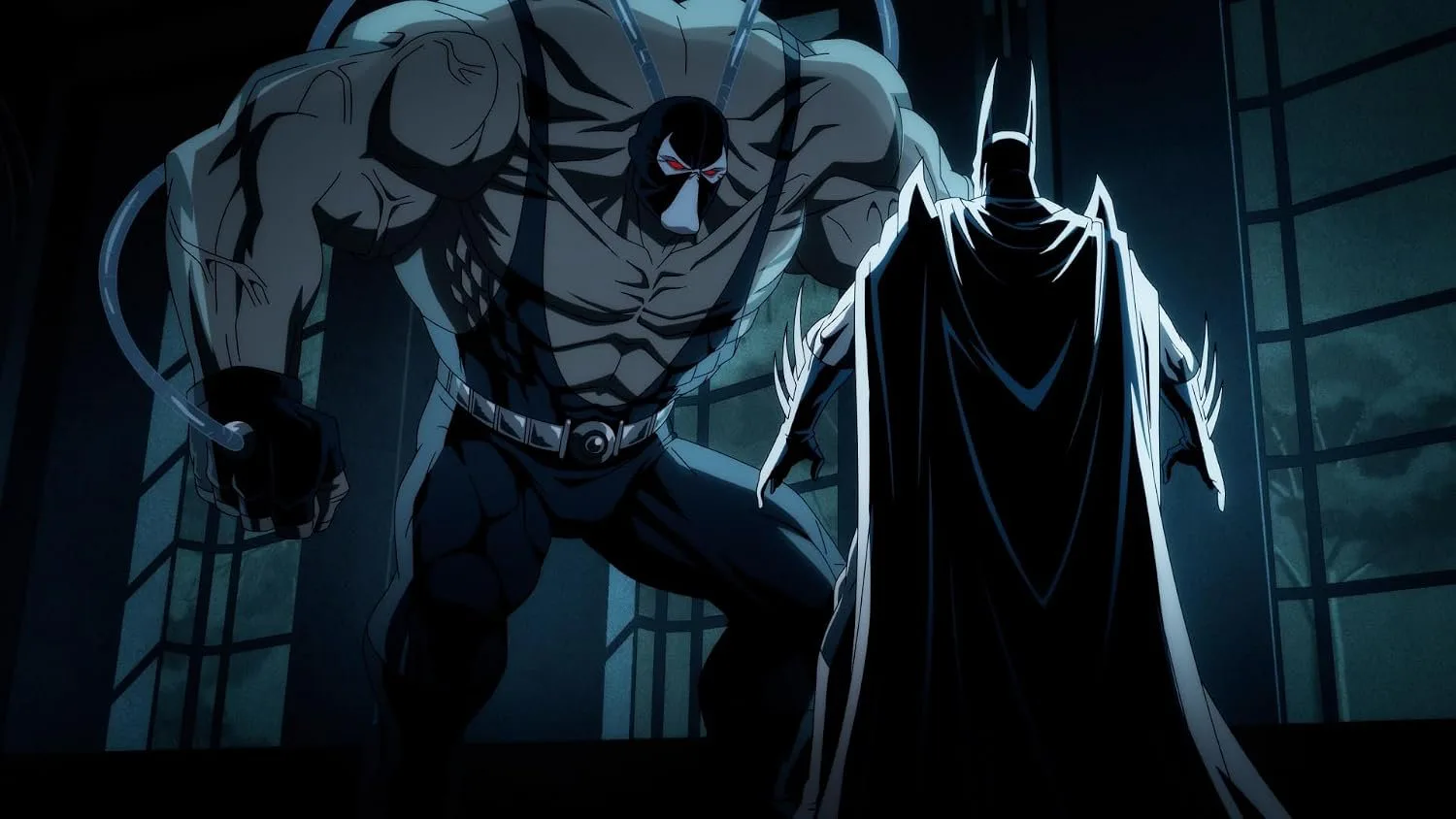
Just by nature of his sheer longevity on the page, you’d be hard-pressed to find a character in comics with a library as vast and consistently qualitative as Batman. Part of what has granted him so many treasured stories is his malleability as an archetype, capable of being a swashbuckling sci-fi adventurer, a noir-tinged pulp detective, and a brutal crusader of vengeance across almost 90 years. From the Golden Age (Batman’s first adventure in The Case of the Criminal Syndicate and the debut of Robin in Detective Comics #38) to the Bronze Age (the introduction of Ra’s al Ghul and one of the definitive Joker stories in The Laughing Fish) to the Modern Age (stretching as far as The Dark Knight Returns to Absolute Batman), the Dark Knight’s storylines have captured audiences and had a profound impact on comics as a medium.
Over eight decades, many of those storylines have been used as the basis for the character’s cinematic outings. Adam West’s Batman was an obvious love letter to the kitschy, kid-friendly zaniness of the Silver Age, Tim Burton’s Batman was heavily influenced by the shift in the character caused by The Killing Joke and The Dark Knight Returns, and Nolan’s depiction borrowed heavily from Batman: Year One, The Long Halloween, and in the finale of the trilogy, Knightfall. Although it was a strong narrative basis for Christopher Nolan’s conclusion, the real meat-and-potatoes of Knightfall and Bane as a villain have never been given a proper adaptation…until now.














