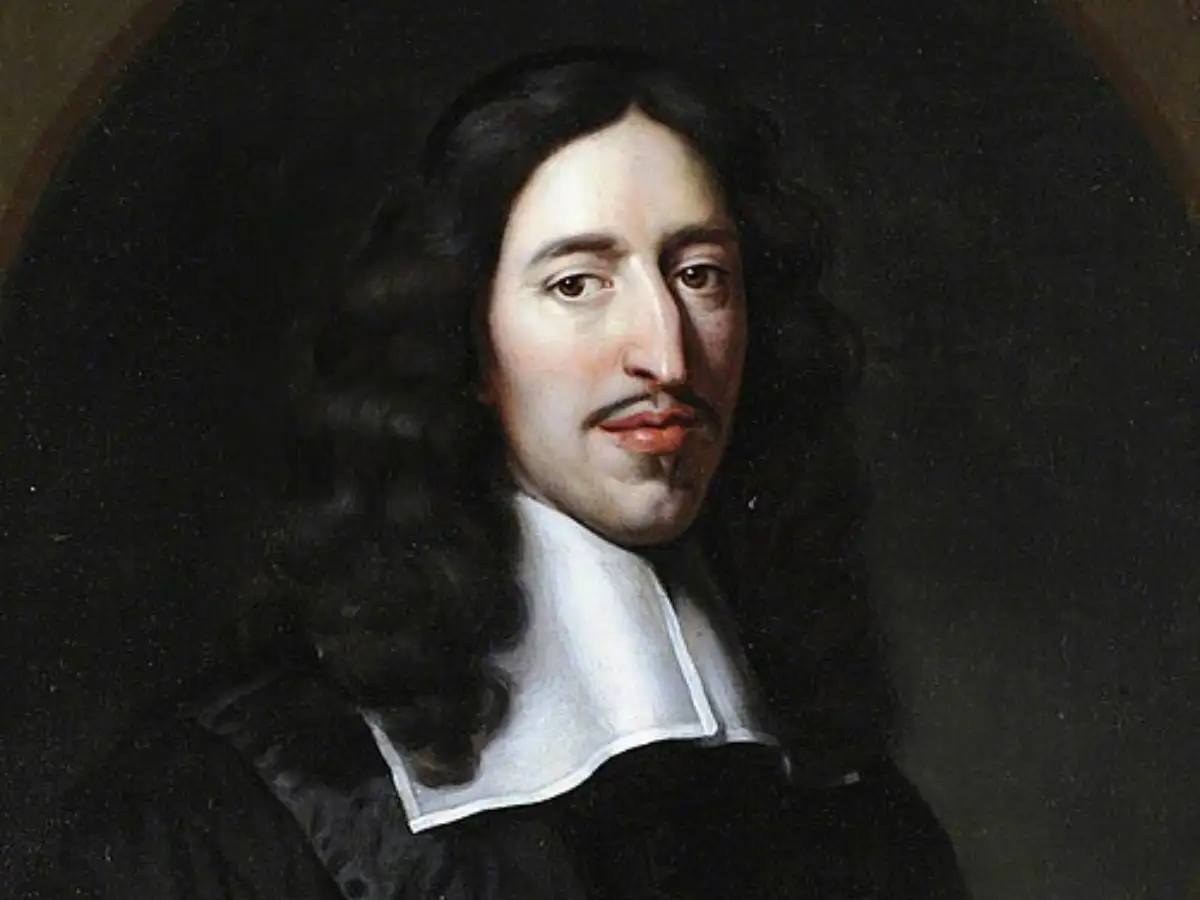
More than three centuries ago, one of the most shocking political killings in Dutch history unfolded in The Hague when a furious mob turned on Johan de Witt, the country’s most powerful political figure.
On August 20, 1672, de Witt and his brother, Cornelis de Witt, were attacked and killed by a crowd near the Gevangenpoort prison. What happened to their bodies afterward became one of the darkest episodes in the history of the Dutch Republic.
Johan de Witt was the Netherlands’ most powerful politician
Johan de Witt was not a prime minister in the modern sense. He served as Grand Pensionary of Holland , a position that made him the dominant political figure in the Dutch Republic.
He had played a central role in Dutch politics for years, but 1672 became a turning point.
The Dutch Republic was facing a severe military crisis. France, England and other European powers were attacking the republic, while Dutch defenses struggled to hold back the invading armies.
The year became known as the Rampjaar , or “Disaster Year.”
As the crisis deepened, public anger increasingly focused on de Witt and his political allies.
The mob turned against the brothers
De Witt had already been seriously injured in an assassination attempt earlier that year. His brother Cornelis was also caught up in the political turmoil and was accused of plotting against the new political order.
On August 20, Johan went to the prison in The Hague to visit Cornelis.
A crowd gathered outside.
The situation quickly spiraled out of control.
The brothers were dragged from the prison and killed by members of the mob. Their deaths were extraordinarily brutal, and their bodies were subsequently mutilated.
As per Wikipedia, parts of their bodies being cut off and displayed or taken away. Some accounts also report that pieces of the brothers’ remains were eaten by members of the crowd.
Why did people turn on Johan de Witt?
De Witt had been associated with a political system that favored republican rule and limited the power of the House of Orange.
But the military disasters of 1672 dramatically changed the political mood.
Many Dutch citizens wanted a stronger military leader and rallied behind William III of Orange . De Witt's political position collapsed as the republic struggled to survive the foreign invasion.
His assassination effectively marked the end of the era in which Johan de Witt dominated Dutch politics.
A shocking episode from the Dutch Republic
The deaths of Johan and Cornelis de Witt remain one of the most disturbing episodes of the Dutch Golden Age.
The story is often remembered for the extraordinary brutality of the killings — and particularly for historical reports that parts of the brothers’ bodies were eaten.
But the episode was also the product of a much larger political and military crisis.
The men were not simply victims of a random riot. Their deaths came at a moment when war, political rivalry, public anger and a struggle over the future leadership of the Dutch Republic had reached a breaking point.
Johan de Witt was killed 354 years ago, but the story of what happened to his body remains one of the most grisly political episodes in European history.