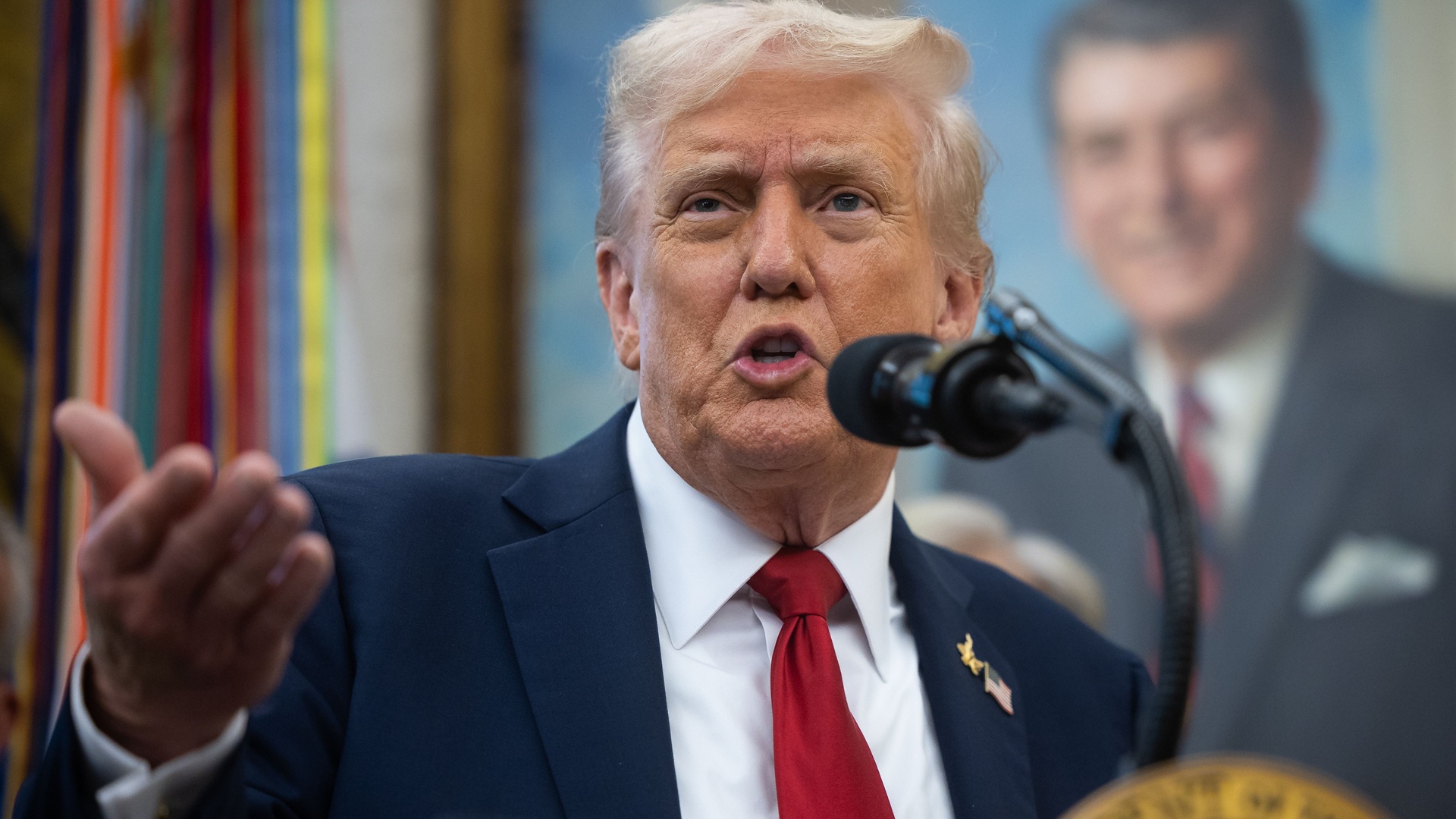
On Friday, Jan. 9, President Donald Trump sent credit markets tumbling with an announcement of his plan to limit credit card companies to a one-year 10% cap on the interest rate levels they can levy against customers. Currently, the national average credit card interest rate is 19.7% (and rates for subprime borrowers are much, much higher), per CNBC.
President Trump’s declaration that interest rates would cap at 10% for at least one year sent shares of Bank of America, Citigroup, JPMorgan Chase and Wells Fargo tumbling between 1% and 3%, CNBC reported. Other companies with even greater loan ties to the credit card industry, such as Capital One, saw shares spiral by almost 7%.

The ripple effect of such an immediate interest rate restriction would only begin with credit card companies. It would also reach the average consumer. Here’s how.
Also see why 2026 could be the worst year to rely on credit cards.
The Credit Card Industry Could Suffer
President Trump has yet to specify how his insistence that credit card interest rates drop to 10% beginning on Jan. 20 would be enforced.
However, cutting the national average credit card interest rate in half would likely decimate the industry’s profits. Many credit card companies make a great deal of money by charging interest. And those with low credit profiles are often subject to higher rates for companies to protect against such risky users.
With this rule, the companies could choose to eliminate whole portions of their business by no longer offering cards to high-risk users.
Read More: Mark Cuban Warns 4 Key Industries Could Crumble in the Next Recession
Check Out: How Middle-Class Earners Are Quietly Becoming Millionaires — and How You Can, Too
Fewer People Could Have Access to Credit Cards
To protect against potential customers with high-risk credit profiles, credit card companies could choose to no longer offer credit cards to those with low credit ratings. As a result, fewer consumers would have access to credit cards and could accrue deeper debts (and be unable to rehabilitate their credit by spending responsibly with credit cards).
“Capping those rates could backfire, resulting in significantly stricter lending standards and making credit unavailable to lower-income people or those with lower credit scores,” CNN reported.
Spending Could Slow Down
“We cannot offer products at a loss,” a credit industry professional shared anonymously with CNBC. “It’s not a stretch to suggest this will very quickly tank the economy.”
Following a destabilization of the credit card industry and less consumer spending, the American economy could nosedive, with various businesses (e.g., retail, food and travel) forced to raise their prices to offset lower sales.
What Happens Now?
President Trump’s proposed date of Jan. 20 is likely too soon for congressional legislation to slash credit card interest rates, Tobin Marcus, head of U.S. policy at Wolfe Research, told CNBC.
Additionally, per CNBC, a study indicated that credit card companies would simply discontinue credit cards for users with credit scores beneath 740 — an action that would likely create immediate financial chaos for the country, something Trump is likely keen to avoid.
What happens next is anyone’s guess, but one result could be negotiations between the Trump administration and various credit card companies before any potential legislation takes place.
Editor’s note on political coverage: GOBankingRates is nonpartisan and strives to cover all aspects of the economy objectively and present balanced reports on politically focused finance stories. You can find more coverage of this topic on GOBankingRates.com.
More From GOBankingRates
- 10 Kirkland Products Costco Quietly Raised Prices on -- and Where To Buy Instead
- 5 Hybrid Cars for Middle-Class Retirees Getting Massive Price Drops for 2026
- 9 Low-Effort Ways To Make Passive Income (You Can Start This Week)
- 6 Safe Accounts Proven to Grow Your Money Up to 13x Faster
This article originally appeared on GOBankingRates.com: 3 Ways Trump’s Credit Card Plan Could Have Major Consequences for Your Money